
One day your little one is sleeping soundly through the night, and the next, it feels like all bets are off. Welcome to the world of toddler sleep regressions! It’s a common, albeit challenging, phase where established sleep patterns suddenly go awry. Understanding what’s happening can help you navigate these tricky waters and get everyone back to more restful nights.
Please note: This information is for general guidance and understanding. It is not a substitute for professional medical advice, diagnosis, or treatment. Always seek the advice of your pediatrician or other qualified health provider with any questions you may have regarding a medical condition or the health and well-being of your child.

Common Signs of a Toddler Sleep Regression

Toddler sleep regressions can manifest in various ways, often coinciding with developmental leaps, changes in routine, or even teething. Here are some frequent signs that your little one might be going through one:
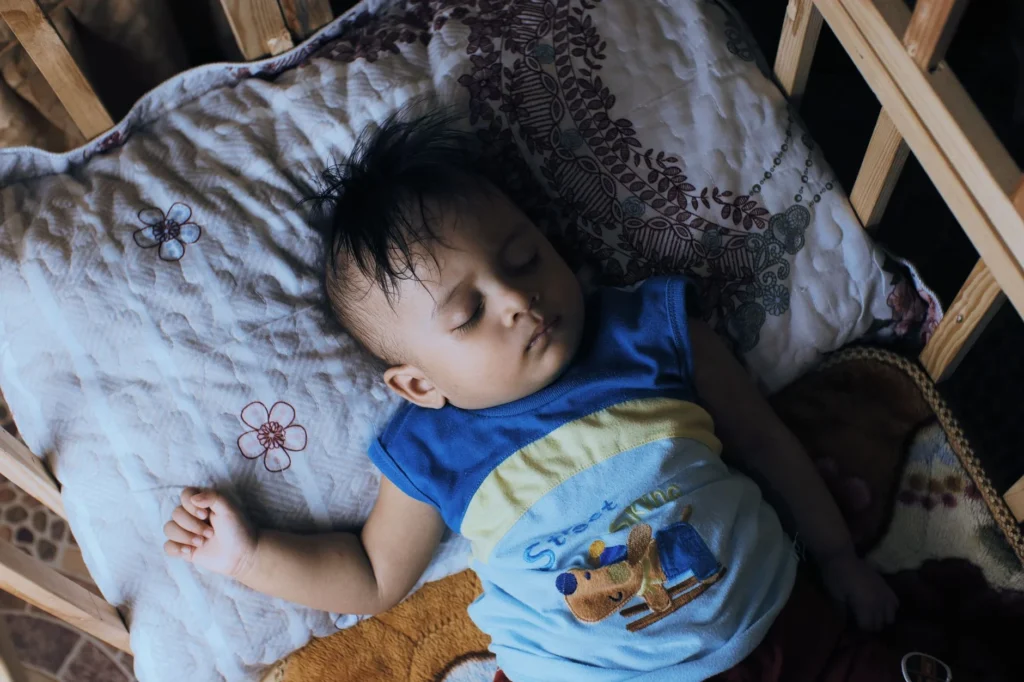
- Increased Night Wakings: Your toddler might start waking up multiple times during the night, even if they were previously sleeping through.
- Fighting Bedtime: What used to be a smooth bedtime routine might turn into a battle, with your child resisting going to sleep.
- Nap Refusal or Shortened Naps: They might suddenly refuse naps altogether or wake up much earlier than usual from their daytime sleep.
- Increased Cuddliness or Clinginess: Some toddlers become more dependent on a parent’s presence to fall asleep or resettle.
- Fussiness and Overtiredness: Naturally, disrupted sleep leads to a grumpier, more irritable toddler during the day.
- Early Morning Wakings: Waking up much earlier than their usual time, unable to resettle on their own.
Tiny Habits That Help Your Toddler Get Back to Dreamland
While frustrating, sleep regressions are usually temporary. A consistent and gentle approach can make a big difference. Here are some strategies that often help:

- Stick to a Consistent Schedule: Try your best to maintain regular bedtimes and nap times, even if your toddler is resisting. Predictability is comforting.
- Reinforce a Relaxing Bedtime Routine: A consistent, calm routine signals to your toddler that sleep is coming. Think warm bath, quiet reading, gentle lullabies.
- Encourage Independent Sleep: Give your toddler opportunities to fall asleep on their own. If they wake, give them a moment to try and resettle before rushing in, unless they are truly distressed.
- Offer a Comfort Object: A favorite blanket or stuffed animal can provide security and comfort during the night.
- Create a Sleep-Friendly Environment: Ensure their room is dark, quiet, and cool. Consider blackout curtains and a white noise machine if needed.
- Prioritize Daytime Play and Stimulation: A well-exercised and stimulated toddler is often a tired toddler, but avoid over-stimulation close to bedtime.
- Be Patient and Consistent: It might take time, but staying calm and consistent with your approach is key. They will get back on track.
Common Mistakes to Avoid
In the midst of a sleep regression, it’s easy to fall into habits that can inadvertently prolong the issue. Try to steer clear of these common pitfalls:
- Introducing New Sleep Crutches: While tempting to do whatever it takes for a moment of peace, creating new dependencies (like rocking to sleep every time) can make future independent sleep harder.
- Panicking or Drastically Changing Routines: Resist the urge to overhaul your entire schedule. Small, consistent adjustments are usually more effective.
- Skipping Naps: Even if naps are a battle, try to encourage them. An overtired toddler often sleeps worse at night.
- Giving In Too Quickly: If your toddler is just fussing, give them a chance to self-settle before immediately rushing to their aid. This teaches them they can handle small disruptions.
- Blaming Yourself: Sleep regressions are normal developmental phases. It’s not your fault, and you’re doing great!
When to Talk to a Professional
While most sleep regressions are temporary and resolve with patience and consistent routines, there are times when it’s wise to consult a healthcare professional. Reach out to your pediatrician if:
- The sleep changes are prolonged or severe: If disruptions last for more than a few weeks without any signs of improvement, or if they are causing significant distress for your child or family.
- You have concerns about their overall health or development: Sleep issues can sometimes be a symptom of an underlying medical condition, discomfort, or developmental change.
- Your toddler exhibits other worrying symptoms: Such as loud snoring, pauses in breathing during sleep, frequent night terrors, or extreme daytime irritability unrelated to sleep loss.
- You are feeling overwhelmed or unsure how to cope: Your pediatrician can offer personalized advice, support, or refer you to a sleep specialist if needed.
Images sourced from Pexels.