
Your Toddler’s Big Leap: What to Expect at 18 Months
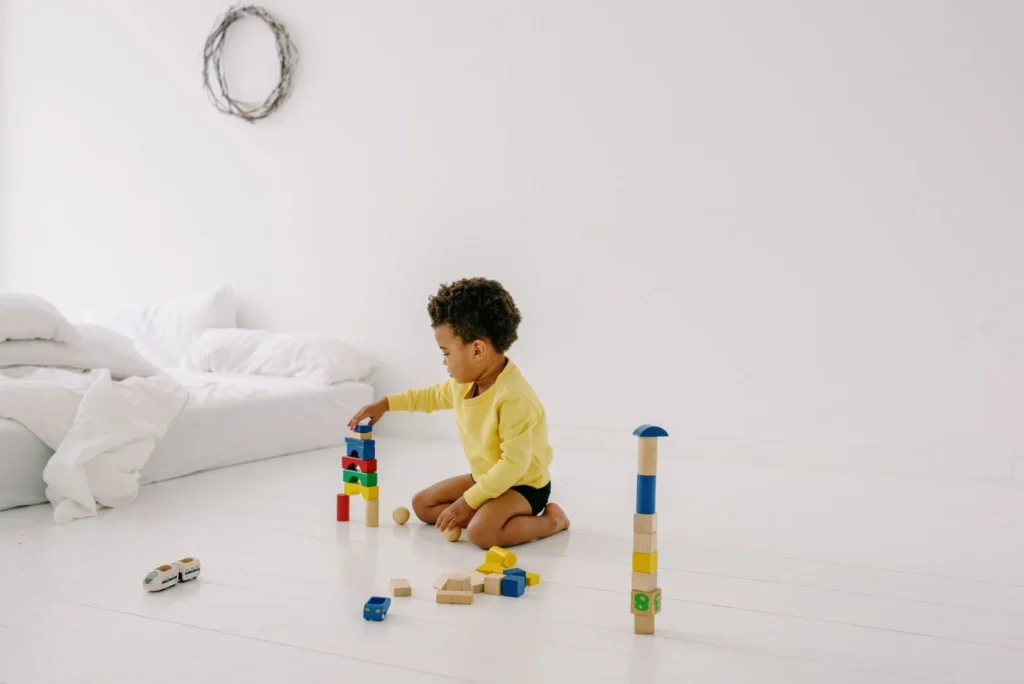
Life with an 18-month-old is a whirlwind of discovery! Your little one is rapidly gaining new skills, exploring the world with growing independence, and expressing their personality more and more. This stage is filled with exciting developmental leaps, from language bursts to new physical feats. It’s a time of tremendous growth, curiosity, and, yes, often some strong opinions!
Sleep Patterns for the 18-Month-Old
Many toddlers at this age still thrive on one solid nap during the day, typically lasting 1.5 to 3 hours. Nighttime sleep usually hovers around 11 to 12 hours. Establishing a consistent and calming bedtime routine remains incredibly important. Think warm bath, a story, and cuddles. If your toddler is suddenly resisting sleep or waking frequently, it could be a sign of a common sleep regression, often linked to new developmental achievements or separation anxiety. Stay consistent with your routine, and offer reassurance.

Feeding Your Growing Explorer
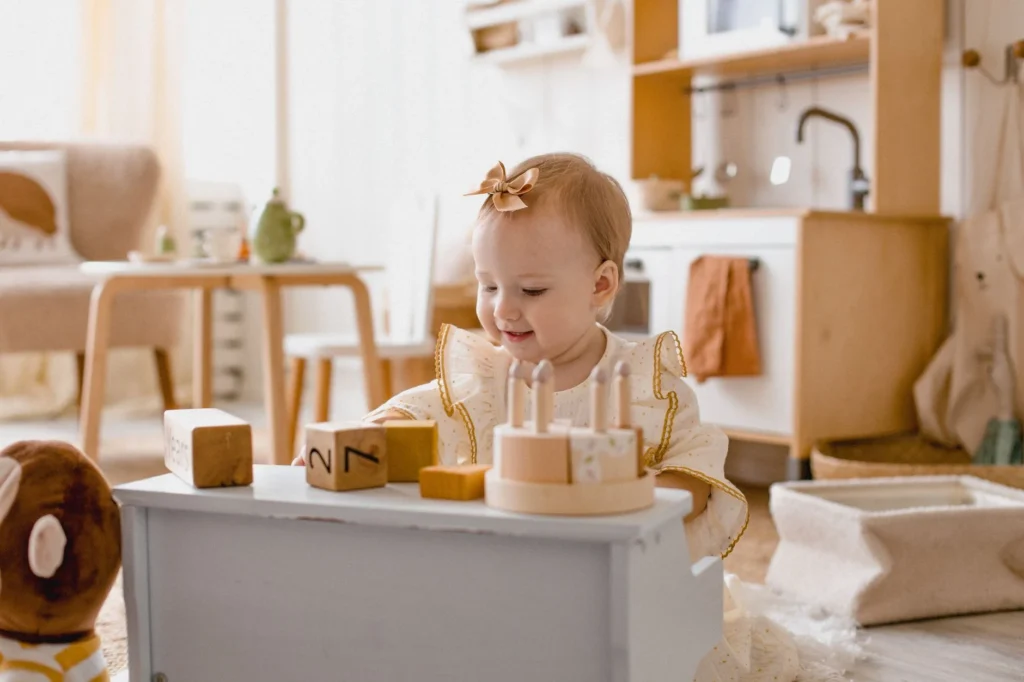
At 18 months, toddlers are usually eating a wide variety of family foods, though picky eating can become quite common. Encourage self-feeding with child-safe utensils and finger foods. Offer a balanced diet with plenty of fruits, vegetables, whole grains, and protein. Dairy, like whole cow’s milk, can be part of their diet. Remember that toddlers often need smaller portions but more frequent meals and snacks throughout the day.
Feeding Safety Notes:
- Honey should not be given to children under 1 year.
- It’s best to avoid adding extra salt or sugar to your toddler’s food.
- When introducing new foods, especially common allergens, offer them one at a time over a few days to monitor for any reactions.
Play & Development: Milestones and What to Look For
This is a period of incredible growth across all developmental areas. Remember that every child develops at their own pace. The information provided here is for general guidance only and is not medical advice. If you have any concerns about your child’s development, please consult with your healthcare professional.
Gross Motor Skills
Your toddler is likely becoming quite the agile mover! They might be running with better coordination, kicking a ball, or even attempting to throw it. Climbing stairs with some help, walking backward, and dancing to music are also common at this age. Their balance is improving, leading to fewer tumbles.
Fine Motor Skills
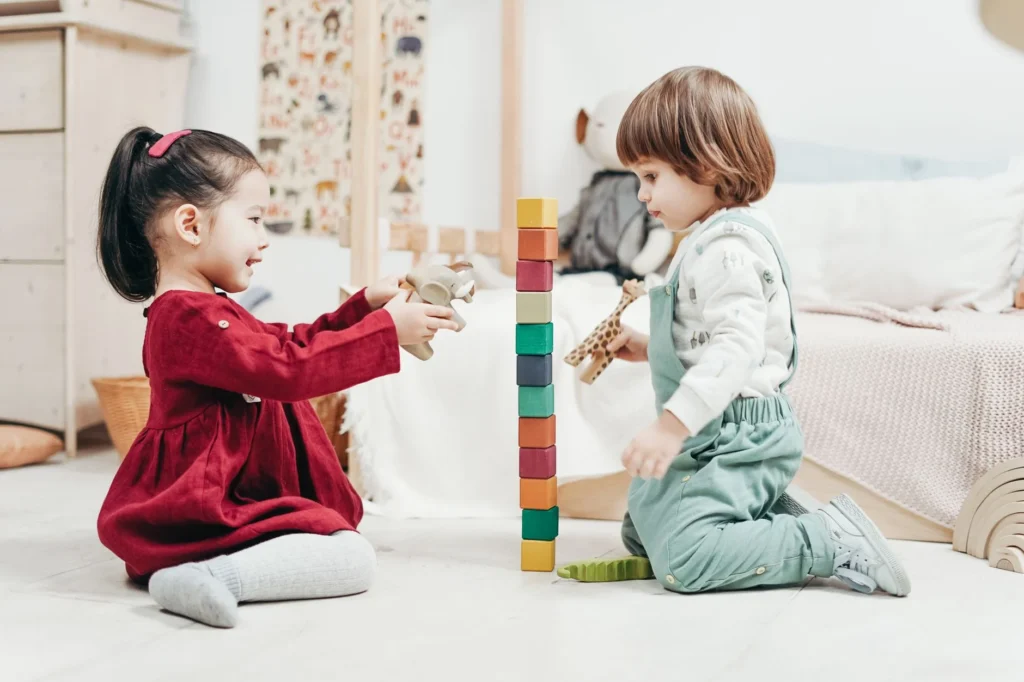
Expect to see more dexterity in their little hands. Stacking blocks (often three to four or more), scribbling with crayons, turning pages in a book, and attempting to use a spoon or fork independently are exciting developments. They’re also getting better at putting objects into containers and taking them out.
Language & Communication
Language is really taking off! Many 18-month-olds can say 10 to 20 or even more words, and some are starting to combine two words (like ‘more juice’ or ‘all gone’). They can understand simple commands, point to several body parts, and follow basic instructions. They also love to imitate words and sounds they hear.
Cognitive Development
Your toddler is becoming a tiny problem-solver. They’re engaging in simple pretend play (like feeding a doll), understanding object permanence (knowing something exists even when hidden), and showing curiosity about how things work. Simple puzzles and shape sorters are great for this stage.
Social & Emotional Growth
Emotions can be big at 18 months! Your toddler might show clear preferences for certain people or objects, display affection, and become quite independent – often expressing ‘No!’ They’re also learning to imitate others and might engage in parallel play, playing alongside other children rather than directly with them. Tantrums can become more frequent as they navigate strong feelings and developing independence.
When to Talk to a Professional
While development varies, it’s always a good idea to speak with your pediatrician if you notice any of the following: doesn’t walk, doesn’t speak at least 6-10 words, doesn’t point to show you things, doesn’t make eye contact, or seems to lose skills they once had. Early intervention can make a significant difference.
Practical Tips for Parents
- Encourage Exploration: Provide a safe environment for your toddler to explore their surroundings and newfound physical abilities.
- Read Together Daily: This is crucial for language development and bonding. Let them choose books and turn pages.
- Offer Choices: Give limited, age-appropriate choices (e.g., ‘Do you want the red cup or the blue cup?’) to foster independence.
- Set Clear Boundaries: Consistency helps toddlers understand expectations, even when they test limits.
- Embrace Play: Get down on their level and play. Imitate their actions, engage in pretend play, and provide opportunities for sensory exploration.
- Practice Patience: Tantrums are a normal part of this stage. Try to stay calm, offer comfort, and help them label their feelings.
Frequently Asked Questions About 18-Month-Olds
How much screen time is appropriate for an 18-month-old?
Many experts recommend limiting screen time for toddlers under two years old to video calls with family. For other screen use, aim for minimal or no screen time, focusing instead on interactive play and exploration which are vital for development.
Is it normal for my 18-month-old to have temper tantrums?
Absolutely! Temper tantrums are a very common and normal part of toddler development. They often occur because toddlers have strong feelings but lack the language and emotional regulation skills to express them effectively. Consistency, patience, and redirection can help navigate these challenging moments.
Images sourced from Pexels.