
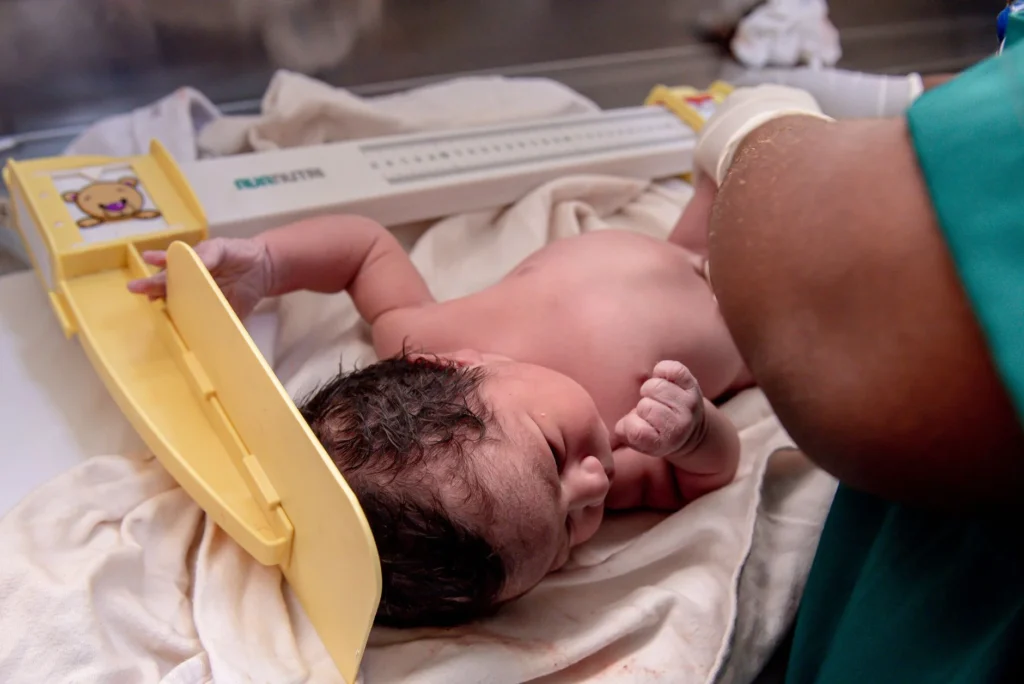
Picking out adorable outfits for your little one is one of parenthood’s joys, but the world of baby clothes sizing can sometimes feel like a puzzle. Babies grow incredibly fast, and sizes aren’t always consistent across brands. Understanding how baby clothing sizes work can save you time, money, and ensure your baby is always comfy in their clothes.
How to Measure Your Little One for the Perfect Fit
While age is a common guide, a baby’s weight and height are far more accurate indicators of their clothing size. Here’s how to get the most useful measurements:

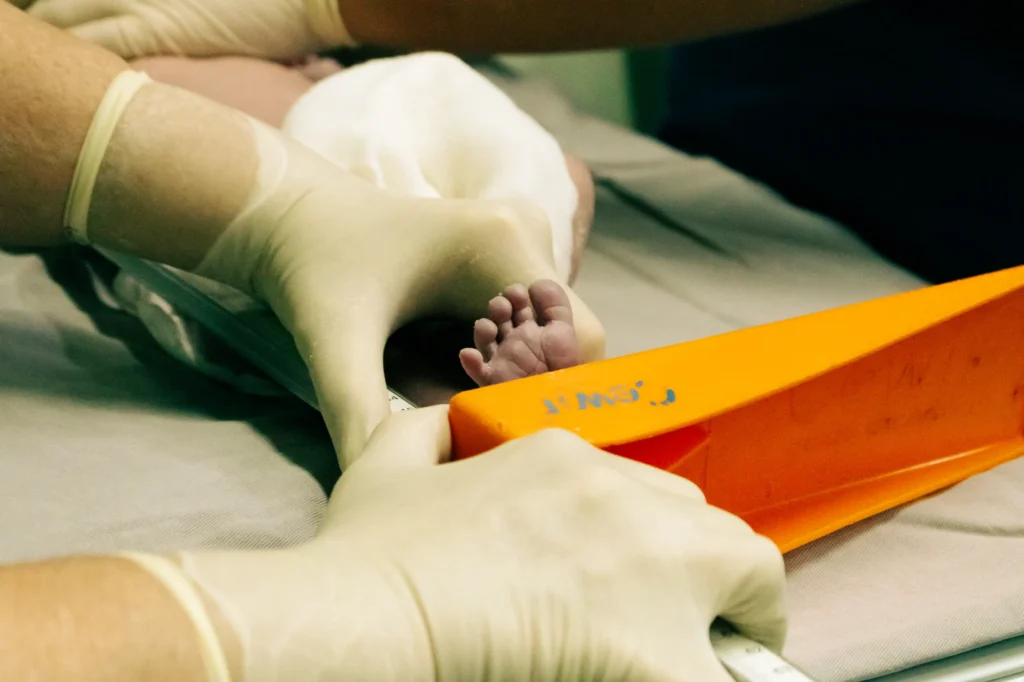
- Length/Height: Lay your baby flat on their back. Use a soft measuring tape to measure from the top of their head all the way down to their heel. It’s easiest when they’re relaxed or sleeping.
- Weight: You’ll usually get the most accurate weight measurements during doctor’s appointments. If you have a baby scale at home, that works too.
- Head Circumference: While not used for most clothing, this is crucial for hats. Measure the widest part of their head, just above the ears and across the forehead.
- Chest: Measure around the fullest part of your baby’s chest, just under their armpits.
- Waist: Measure around your baby’s natural waistline, typically just above the belly button.
Always remember that these are general guidelines. For the best fit, check the specific size chart of the clothing brand you’re buying, as sizing can vary significantly.
Baby Clothes Size Chart
This general chart offers common size ranges. Remember, every baby is unique, so use their current weight and height as your primary guide.
| Size | Approximate Age | Weight (lbs/kg) | Height (inches/cm) |
|---|---|---|---|
| Newborn (NB) | 0-1 month | 5-8 lbs (2.3-3.6 kg) | Up to 21 in (53 cm) |
| 0-3 Months | 0-3 months | 8-12.5 lbs (3.6-5.7 kg) | 21-24 in (53-61 cm) |
| 3-6 Months | 3-6 months | 12.5-16.5 lbs (5.7-7.5 kg) | 24-26.5 in (61-67 cm) |
| 6-9 Months | 6-9 months | 16.5-20.5 lbs (7.5-9.3 kg) | 26.5-28.5 in (67-72 cm) |
| 9-12 Months | 9-12 months | 20.5-24.5 lbs (9.3-11.1 kg) | 28.5-30.5 in (72-77 cm) |
| 12-18 Months | 12-18 months | 24.5-27.5 lbs (11.1-12.5 kg) | 30.5-33 in (77-84 cm) |
| 18-24 Months | 18-24 months | 27.5-30 lbs (12.5-13.6 kg) | 33-35 in (84-89 cm) |
| 2T (Toddler) | 2 years | 30-33 lbs (13.6-15 kg) | 35-37 in (89-94 cm) |
| 3T (Toddler) | 3 years | 33-36 lbs (15-16.3 kg) | 37-39 in (94-99 cm) |
Common Sizing Mistakes to Avoid
Even with a size chart, a few pitfalls can trip up new parents:
- Buying Too Many of One Size: Babies grow fast! Resist the urge to stock up excessively on a single size, especially newborn. Your little one might outgrow it quicker than you expect.
- Ignoring Brand Variations: A 3-month-old onesie from one brand might fit very differently from another. Always check the brand’s specific size chart if available, or read reviews regarding sizing.
- Focusing Solely on Age: As our chart shows, age is just one factor. A 6-month-old baby might be on the smaller side and still fit into 3-6 month clothes, or be a “chunky monkey” needing 9-month sizes already. Prioritize weight and height.
- Forgetting About Growth Spurts: Babies have rapid growth spurts. If your baby is nearing the top end of a size range, it’s often a good idea to buy the next size up for comfort and longevity.
- Not Accounting for Diapers: Some clothing, especially pants or rompers, might feel tighter with a bulky cloth diaper compared to a disposable one. Keep this in mind when trying on or selecting sizes.
- Overlooking Shrinkage: Some fabrics, especially cotton, can shrink slightly after washing. When in doubt, buying a size up can give you a little extra wiggle room after laundry.
Finding the right size for your baby’s clothes ensures they are comfortable, safe, and can move freely. Happy dressing!
Images sourced from Pexels.