
Introducing your baby to solids is a huge milestone! It’s an exciting time, full of new tastes, textures, and memorable mealtime moments. Starting with simple purees can be a gentle way to ease your little one into the world of solid foods. This guide offers easy, nutritious recipes and helpful tips to make the journey smooth and enjoyable for both of you.
Who it suits
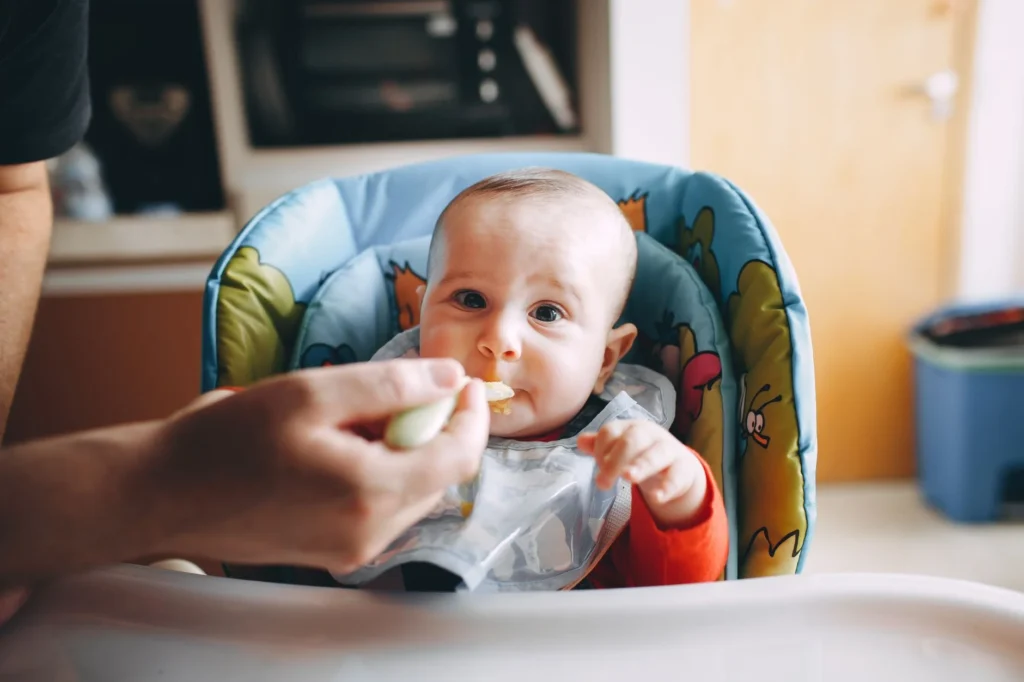
Beginning solid foods typically happens around 6 months of age, but every baby develops at their own pace. Look for these signs of readiness, rather than a strict timeline:
- Good head and neck control: Your baby can sit up with little to no support.
- Loss of tongue-thrust reflex: They no longer push food out of their mouth with their tongue.
- Shows interest in food: They might watch you eat, open their mouth, or lean forward when food is offered.
If you’re unsure if your baby is ready, a quick chat with your pediatrician is always a good idea.

Get Ready: Key Principles for First Purees
Setting up good habits from the start makes all the difference.
Keep it Simple: Single-Ingredient Purees First
Start with one new food at a time. This helps you identify any potential allergies or sensitivities more easily. Once your baby is comfortable with several individual foods, you can start mixing them.
No Added Sweeteners or Salt
Baby’s developing kidneys aren’t ready for added salt. Their tiny palates also don’t need sugar. They’ll enjoy the natural flavors of fruits and vegetables just as they are! Honey should never be given to babies under one year of age due to the risk of infant botulism.

Texture Matters
Begin with very smooth, thin purees, almost liquid. As your baby gets used to solids, you can gradually increase the thickness and introduce more texture, like slightly mashed foods.
Introduce New Foods Slowly
When introducing a new food, offer it for 3-5 days in a row before introducing another new food. This allows you to monitor for any adverse reactions, such as rashes, digestive upset, or changes in breathing.
Easy First Puree Recipes
Sweet Potato Puree
Sweet potatoes are packed with vitamins and have a naturally sweet flavor most babies love.
Ingredients:
- 1 medium sweet potato
Steps:
- Wash and peel the sweet potato. Cut it into small, even cubes.
- Steam or boil the sweet potato cubes until very tender (about 10-15 minutes). You should be able to easily mash them with a fork.
- Drain the water (if boiled) and transfer the cooked sweet potato to a blender or food processor.
- Add a tablespoon or two of breast milk, formula, or plain water to achieve a smooth, desired consistency. Blend until completely smooth.
Avocado Puree
Avocados offer healthy fats crucial for baby’s development and are super easy to prepare.
Ingredients:
- 1 ripe avocado
Steps:
- Wash the avocado. Cut it in half, remove the pit, and scoop out the flesh.
- Place the avocado flesh into a blender or use a fork to mash thoroughly.
- Add a small amount of breast milk, formula, or plain water if needed to reach a creamy, smooth consistency.
Pea Puree
Peas are a good source of vitamins and have a slightly sweet taste.
Ingredients:
- 1 cup frozen green peas
Steps:
- Place the frozen peas in a small saucepan and add just enough water to cover them.
- Bring to a boil, then reduce heat and simmer until the peas are very tender (about 5-7 minutes).
- Drain the peas, reserving a little of the cooking water.
- Transfer the peas to a blender or food processor. Add a tablespoon or two of the reserved cooking water, breast milk, or formula. Blend until smooth. You might need to add a bit more liquid to get rid of any skin pieces.
- For extra smoothness, you can push the puree through a fine-mesh sieve.
Banana Puree
Bananas are naturally sweet, easy to digest, and require no cooking!
Ingredients:
- 1 ripe banana
Steps:
- Peel the banana.
- Place the banana in a bowl and mash thoroughly with a fork until completely smooth.
- Add a tiny bit of breast milk or formula if you want a thinner consistency.
Storage & Serving Tips
- Refrigeration: Freshly made purees can be stored in an airtight container in the refrigerator for up to 2-3 days.
- Freezing: For longer storage, spoon purees into ice cube trays and freeze. Once frozen, transfer the cubes to a freezer-safe bag or container. They can be stored for up to 1-2 months.
- Thawing & Warming: Thaw frozen puree cubes in the refrigerator overnight or gently warm on the stovetop or in the microwave (stir well and test temperature thoroughly before serving).
- Serving: Always serve purees lukewarm or at room temperature. Offer a small amount at first, and let your baby dictate how much they want to eat. Never force-feed.
- Discarding: Once a spoon has touched your baby’s mouth, any remaining food in that bowl should be discarded after the meal to prevent bacterial growth.
Important Safety Notes
Disclaimer: The information provided here is for general knowledge and informational purposes only, and does not constitute medical advice. Always consult with a qualified healthcare professional for any health concerns or before making any decisions related to your baby’s health and feeding.
- No Honey Before One: This is crucial. Honey can contain bacteria that produce toxins in a baby’s immature digestive system, leading to infant botulism. Avoid it entirely for babies under one year of age.
- Choking Hazards: While purees are generally low risk, always supervise your baby closely during mealtimes. Ensure the consistency is smooth and thin enough for them.
- Allergy Watch: Introduce new foods one at a time and watch for any signs of an allergic reaction, such as hives, swelling, difficulty breathing, vomiting, or diarrhea. If you notice any severe reactions, seek immediate medical attention. For milder symptoms, consult your pediatrician.
- Consult Your Healthcare Provider: If you have any concerns about your baby’s readiness for solids, their nutritional needs, or any feeding difficulties, please speak with your pediatrician or a registered dietitian.
Images sourced from Pexels.