
Signs Your Baby is Ready for Solids
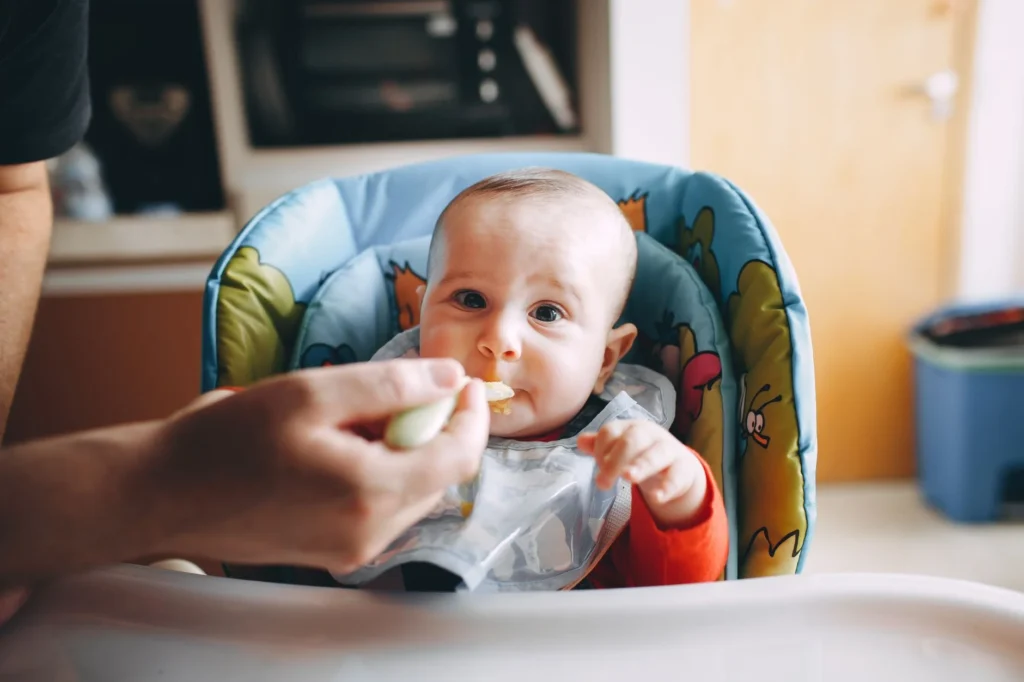
Deciding when to start solids is a big milestone! Most babies are ready for their first foods around six months, but every child is unique. Look for these signs that signal your little one is developmentally prepared:
- They can sit up well with minimal or no support.
- They have good head and neck control.
- They open their mouth when food comes their way.
- They show interest in what you’re eating.
- They no longer have the tongue-thrust reflex, which pushes food out of their mouth.
If you’re unsure, a quick chat with your pediatrician can help confirm the best timing for your baby.
Choosing First Foods for Baby
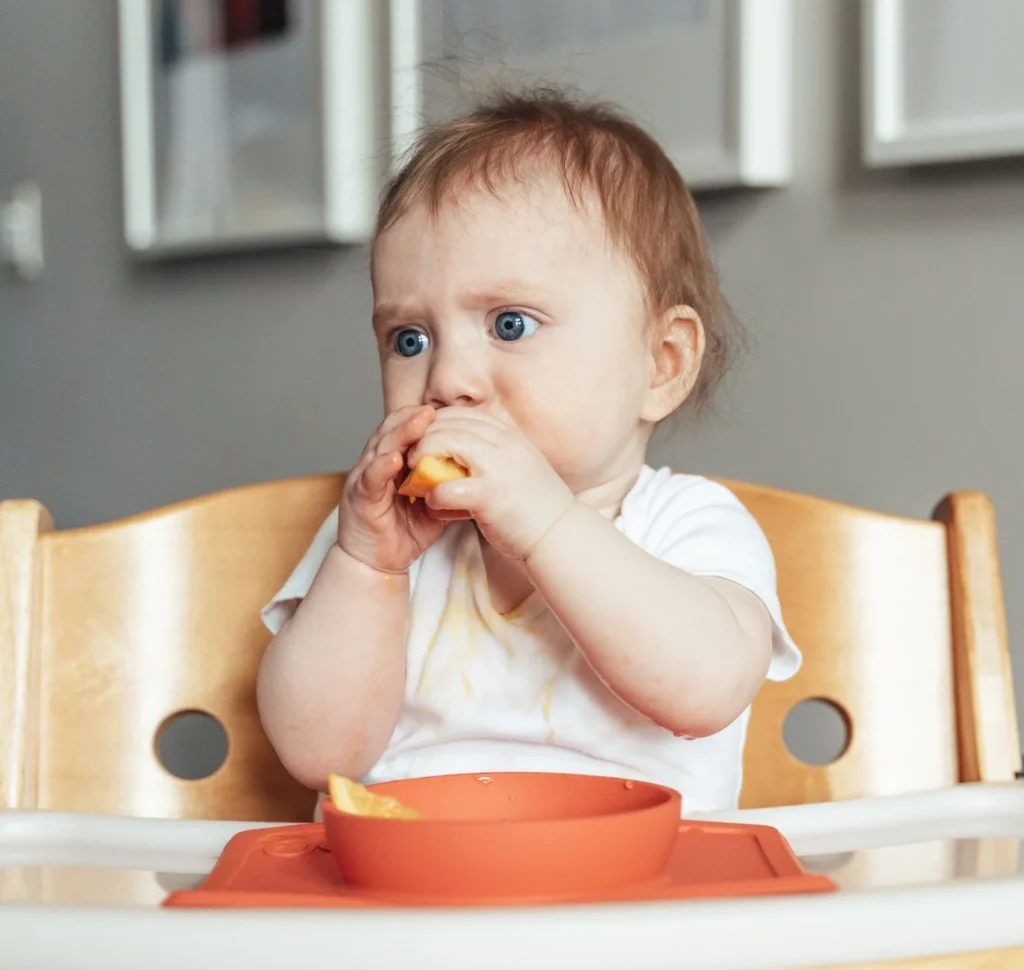
Keep it simple when starting out. The goal is to introduce new tastes and textures, not to replace breast milk or formula, which remain primary for the first year. Single-ingredient, iron-fortified baby cereals mixed with breast milk or formula are common first choices. Soft, pureed or mashed fruits and vegetables like sweet potato, avocado, banana, or peas also make great starts. Focus on foods that are easy to digest and smooth in texture.
Preparing and Serving First Foods
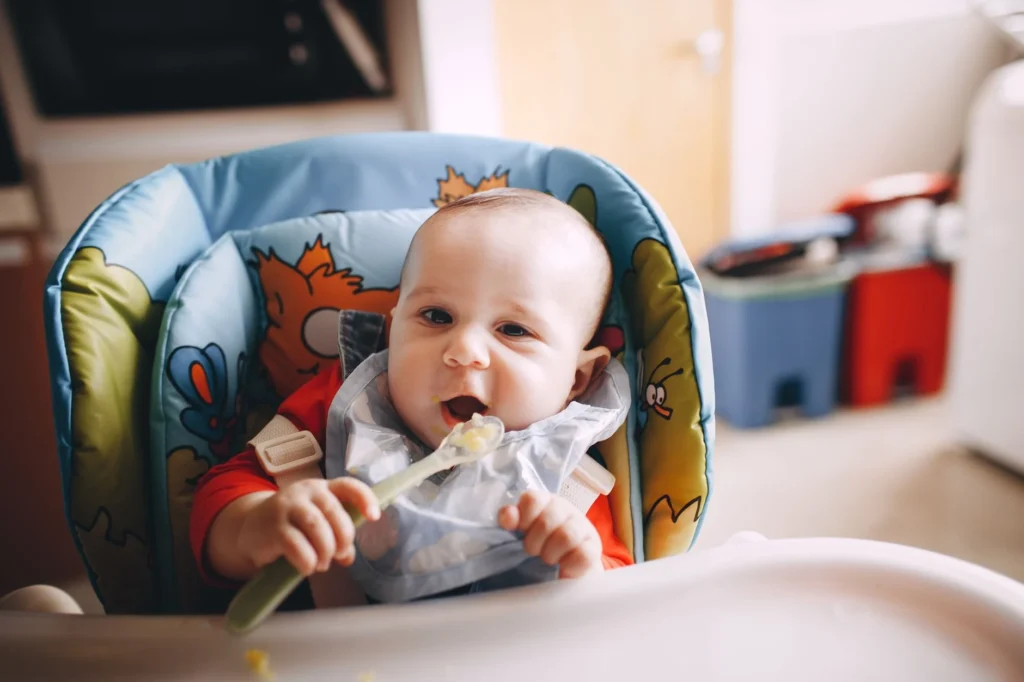
When you begin, offer just a small amount—a spoonful or two—after your baby has had some breast milk or formula. This keeps them from being overly hungry and frustrated. As they get used to it, you can gradually increase the quantity. Always supervise your baby during mealtimes. Create a positive and relaxed environment. Let them explore the food with their hands; it’s part of the learning process! For finger foods, ensure they are soft, easily dissolvable, and cut into small, manageable pieces to prevent choking.
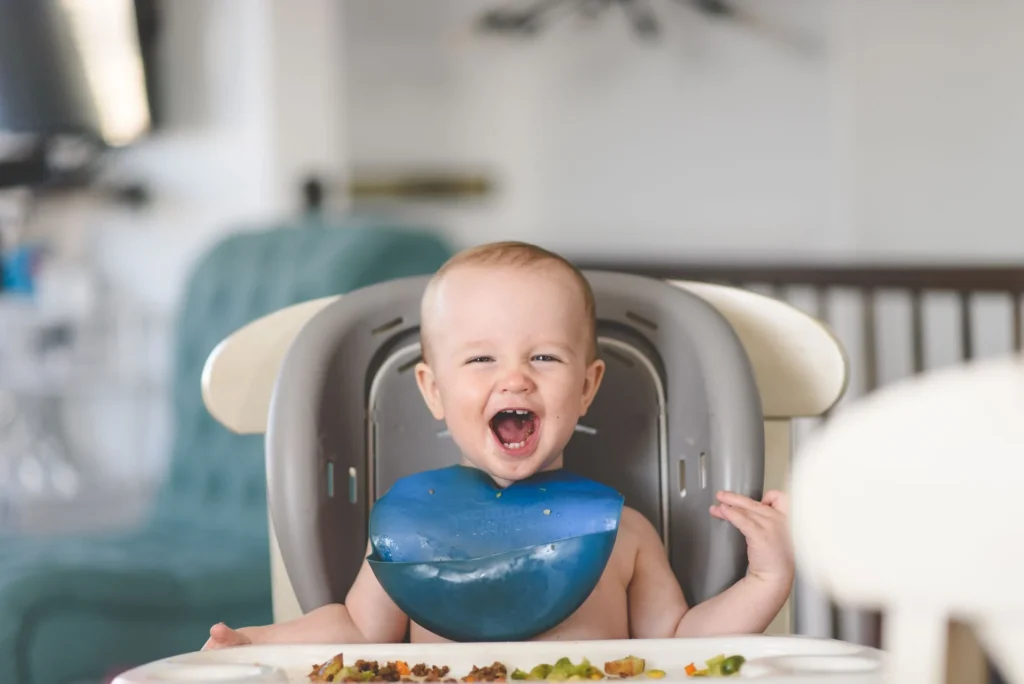
Introducing new foods should be done one at a time. This approach helps you identify any potential sensitivities or allergic reactions. After introducing a new food, wait about three to five days before offering another new food. This window allows you to observe for any signs of an adverse reaction, such as a rash, diarrhea, or vomiting. If you notice any concerning symptoms, stop offering that food and speak with your healthcare provider. For general guidance on managing allergies, it’s always best to consult with a medical professional.
Essential Safety Notes
No Honey Under One Year
It’s crucial to remember: never give honey to babies under one year old. Honey can contain spores that cause infant botulism, a serious illness.
Avoid Added Salt and Sugar
Babies don’t need added salt or sugar in their food, especially before their first birthday. Their kidneys aren’t fully developed to handle excess salt, and sugar offers no nutritional benefits and can lead to unhealthy preferences. Natural sweetness from fruits and vegetables is plenty.
Prevent Choking Hazards
Always ensure foods are prepared appropriately. Avoid offering whole grapes, nuts, popcorn, large chunks of meat or cheese, hot dogs, hard candies, or sticky foods like large dollops of peanut butter, as these can be choking hazards for young children. Soften, mash, or finely chop foods as needed.
When to Talk to a Professional
Your baby’s health is paramount. If you have persistent concerns about your baby’s eating habits, growth, or if they consistently refuse certain food groups, don’t hesitate to reach out to your pediatrician. Similarly, if you observe any severe or recurrent allergic reactions, or if you’re worried about your baby’s development in any way, professional medical advice is always best. This information is for general guidance only and is not a substitute for professional medical advice, diagnosis, or treatment.
Images sourced from Pexels.