
Why the Right Shoe Size Matters for Tiny Feet
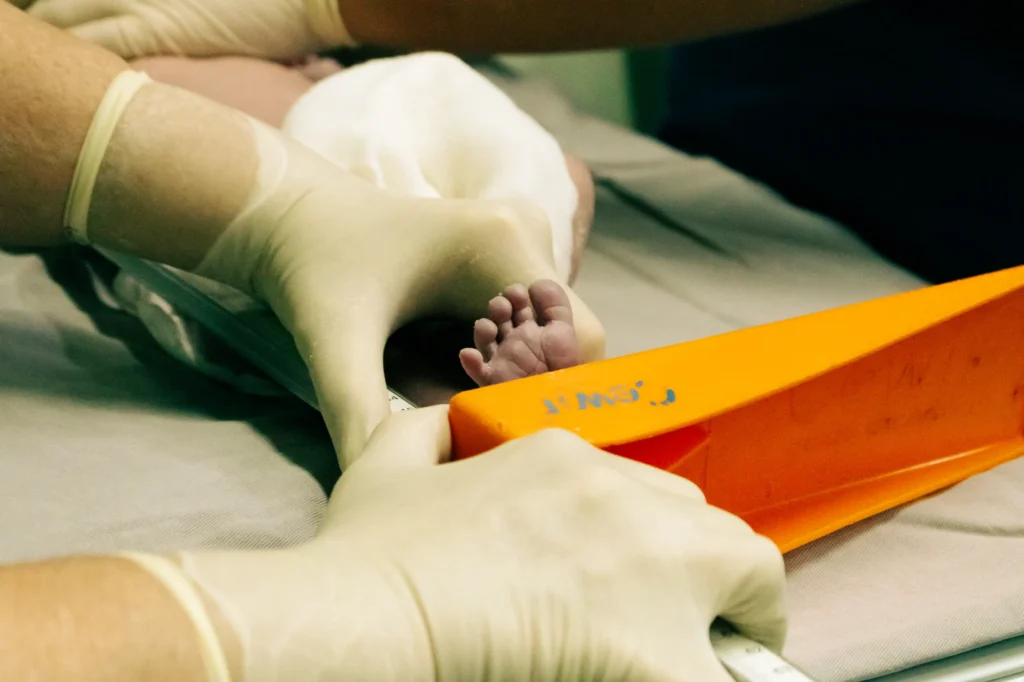
Finding the perfect shoe size for your baby isn’t just about comfort; it’s crucial for healthy foot development. Little feet grow incredibly fast, and ill-fitting shoes can actually hinder natural growth and even affect their balance and walking patterns. Getting it right helps support their delicate bones and muscles as they explore the world, one step at a time.
How to Measure Your Baby’s Foot at Home
Accurately measuring your baby’s feet is simpler than you might think. Here’s a quick guide to help you get the most precise results:
| Age Range | US Size | UK Size | EU Size | Foot Length (cm) | Foot Length (in) |
|---|---|---|---|---|---|
| 0-3 Months | 0-1 | 0 | 16 | 8-9 | 3.1-3.5 |
| 3-6 Months | 2 | 1 | 17 | 9.5-10 | 3.7-3.9 |
| 6-9 Months | 3 | 2 | 18 | 10.5-11 | 4.1-4.3 |
| 9-12 Months | 4 | 3 | 19 | 11.5-12 | 4.5-4.7 |
| 12-18 Months | 5 | 4 | 20-21 | 12.5-13 | 4.9-5.1 |
| 18-24 Months | 6 | 5 | 22 | 13.5-14 | 5.3-5.5 |
| 2-3 Years | 7-8 | 6-7 | 23-24 | 14.5-15.5 | 5.7-6.1 |
- Gather Your Tools: You’ll need a piece of paper, a pencil, and a ruler or tape measure.
- Get Them Standing: Ideally, have your baby stand on the paper. If they’re not standing yet, gently press their foot down onto the paper while they’re seated. Make sure their toes are flat and not curled.
- Trace the Foot: With the pencil held straight up, trace around their foot. Be sure to trace the widest part and the longest part, including their longest toe.
- Measure the Length: Use your ruler to measure the length from the heel to the tip of the longest toe.
- Measure the Width: Measure the widest part of their foot across the ball of the foot.
- Add a Little Wiggle Room: Add about 1 cm (0.4 inches) to the length measurement to account for growth and comfort.
- Measure Both Feet: It’s common for one foot to be slightly larger than the other. Always use the measurement from the larger foot.
- Measure Often: Baby feet grow quickly! Remeasure every 2-3 months for infants and every 3-4 months for toddlers.
Baby Shoe Size Chart
Use this chart as a general guide. Remember that sizes can vary between brands, so always refer to the specific brand’s chart if possible, and compare it with your own measurements.
Common Mistakes When Choosing Baby Shoes
Even with the right measurements, it’s easy to make a few common errors. Avoid these pitfalls to ensure your little one’s feet are happy and healthy:
- Choosing Shoes That Are Too Big: While adding wiggle room is good, shoes that are too large can cause trips and affect gait. Your baby’s foot shouldn’t slide around inside.
- Opting for Shoes That Are Too Small: This is a major no-no! Shoes that are too tight can restrict growth, cause discomfort, and even lead to deformities.
- Ignoring Width: Length isn’t the only factor. A shoe might be the right length but too narrow or too wide, causing rubbing or instability. Check for width comfort.
- Not Checking Regularly: Babies grow fast! A shoe that fit last month might be too small this month. Always check for signs of discomfort or tightness.
- Prioritizing Style Over Function: While cute shoes are tempting, prioritize flexibility, breathability, and proper support over trendy designs, especially for new walkers. Look for soft, flexible soles and breathable materials.
By taking a little time to measure accurately and consider these tips, you can help ensure your baby’s feet are comfortable and well-supported on their journey of growth and exploration.
Images sourced from Pexels.