
Starting your little one on solids is a big milestone! It’s exciting and, let’s be honest, can feel a little daunting too. But it doesn’t have to be complicated. We believe homemade baby food can be simple, nutritious, and delicious. These quick and easy recipes are perfect for those first tastes, using just a few wholesome ingredients.
Please note: The information provided here is for general guidance only and should not be considered medical advice. Always consult with your pediatrician or a healthcare professional regarding your baby’s specific dietary needs and when to introduce new foods.
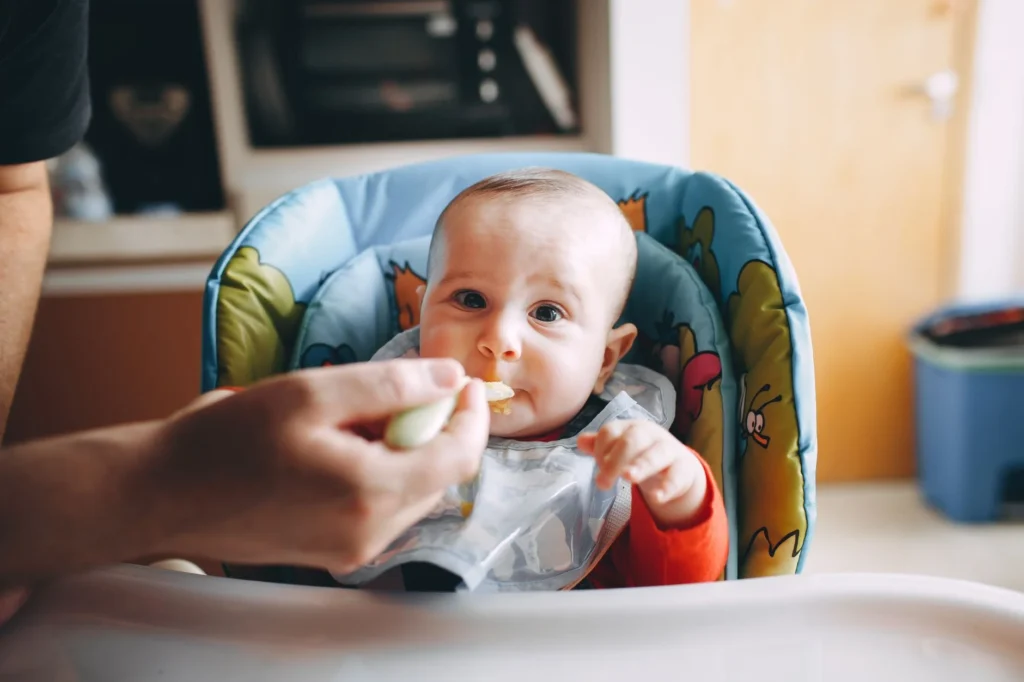
Who It Suits
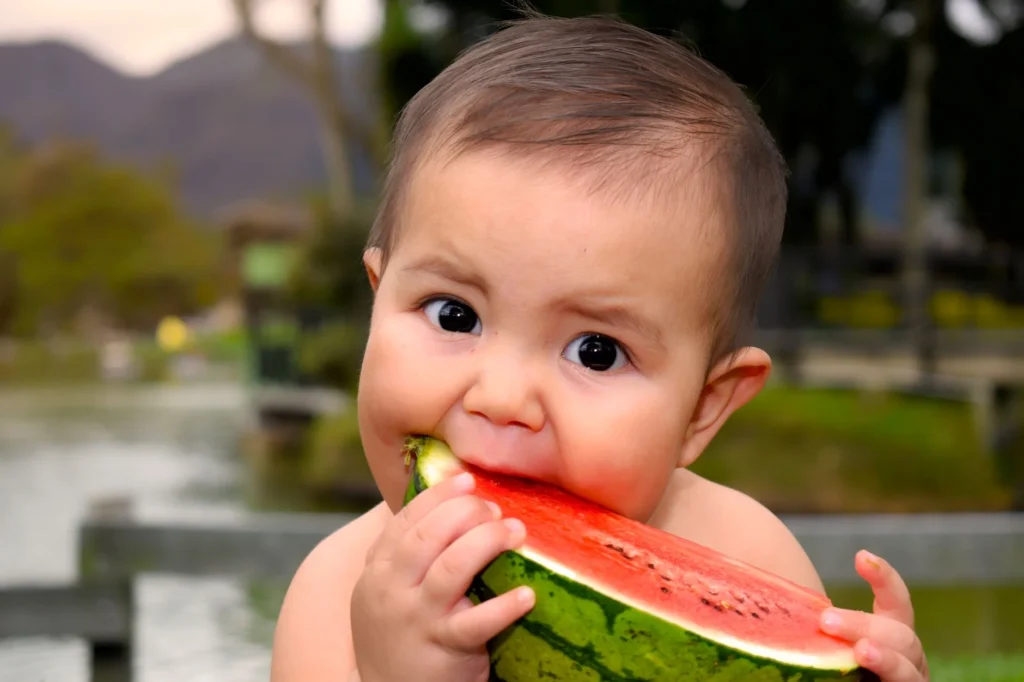
These recipes are ideal for babies generally around six months of age, or once they show clear signs of readiness for solid foods. Look for cues like good head and neck control, sitting with support, showing interest in your food, and losing the tongue-thrust reflex. Every baby develops at their own pace, so pay close attention to your individual child.

Simple Puree: Sweet Potato
Sweet potatoes are a classic first food—naturally sweet, packed with vitamins, and easy to digest. A real crowd-pleaser for tiny taste buds!

Ingredients
- 1 medium sweet potato
- Breast milk, formula, or water (as needed, for desired consistency)
Steps
- Wash the sweet potato thoroughly. You can peel it or leave the skin on for cooking, then peel afterward.
- Cut the sweet potato into small, uniform cubes.
- Steam the sweet potato cubes until they are very soft. This usually takes about 10-15 minutes, depending on the size of the pieces. You should be able to easily pierce them with a fork.
- Once cooked, transfer the sweet potato to a blender or food processor. For a handheld immersion blender, use a deep bowl.
- Add a small amount of breast milk, formula, or water. Start with a tablespoon or two and add more as needed.
- Blend until you reach a smooth, lump-free puree. For very first tastes, a thinner consistency is often best. You can adjust the thickness by adding more liquid or blending longer.
- Allow the puree to cool completely before serving or storing.
Storage & Serving
- Serve warm or at room temperature.
- Store leftover puree in airtight containers in the refrigerator for up to 3 days.
- For longer storage, freeze portions in ice cube trays. Once frozen, transfer the cubes to freezer-safe bags or containers and use within 1-2 months. Thaw in the refrigerator overnight or gently warm.
Simple Puree: Avocado
Avocado is a fantastic first food choice, offering healthy fats and a wonderfully creamy texture. It’s incredibly simple to prepare – no cooking required!
Ingredients
- 1 ripe avocado
- Breast milk, formula, or water (as needed, for desired consistency)
Steps
- Wash the avocado. Slice it in half lengthwise and carefully remove the pit.
- Scoop out the soft flesh into a bowl.
- Using a fork, thoroughly mash the avocado until it’s very smooth and creamy. For a super-smooth texture, you can use a blender or food processor, adding a touch of breast milk, formula, or water if needed.
- Add a tiny splash of breast milk, formula, or water if you want to thin it out slightly, or to achieve a consistency your baby prefers.
- Serve immediately.
Storage & Serving
- Avocado can brown quickly once exposed to air. It’s best served fresh.
- If you have a small amount leftover, you can try storing it in an airtight container with a squeeze of lemon juice (if your baby is past 6 months and has had lemon introduced, otherwise avoid) or a thin layer of water on top, pressing plastic wrap directly onto the surface. Use within 1 day. Freezing is generally not recommended for avocado puree as the texture can change significantly.
Safety Notes for Starting Solids
Important Reminders
- No Honey Under One Year: Never give honey to babies under 12 months due to the risk of infant botulism.
- Skip the Salt and Sugar: Babies do not need added salt or sugar in their food. Their kidneys aren’t fully developed to handle excess sodium, and added sugars aren’t beneficial. Let them enjoy the natural flavors!
- Introduce New Foods One at a Time: When starting new foods, offer them individually for a few days before introducing another new food. This helps you identify any potential allergic reactions.
- Watch for Allergic Reactions: Be aware of signs of an allergic reaction, which can include hives, rash, swelling of the face or tongue, difficulty breathing, vomiting, or diarrhea. If you observe any concerning symptoms, contact your pediatrician or seek immediate medical attention.
- Choking Hazards: Always supervise your baby while they eat. Ensure food is prepared to an appropriate consistency (smooth purees for beginners) and cut into very small, manageable pieces as they progress to finger foods.
Introducing solids is a journey of discovery for both you and your baby. Enjoy these moments, embrace the mess, and celebrate every new taste and texture they explore!
Images sourced from Pexels.