
Disclaimer: This information is for general guidance only and is not a substitute for professional medical advice. Always consult with your pediatrician or healthcare provider for any health concerns or before making decisions related to your baby’s diet and health.
When Is Your Baby Ready for Solids?
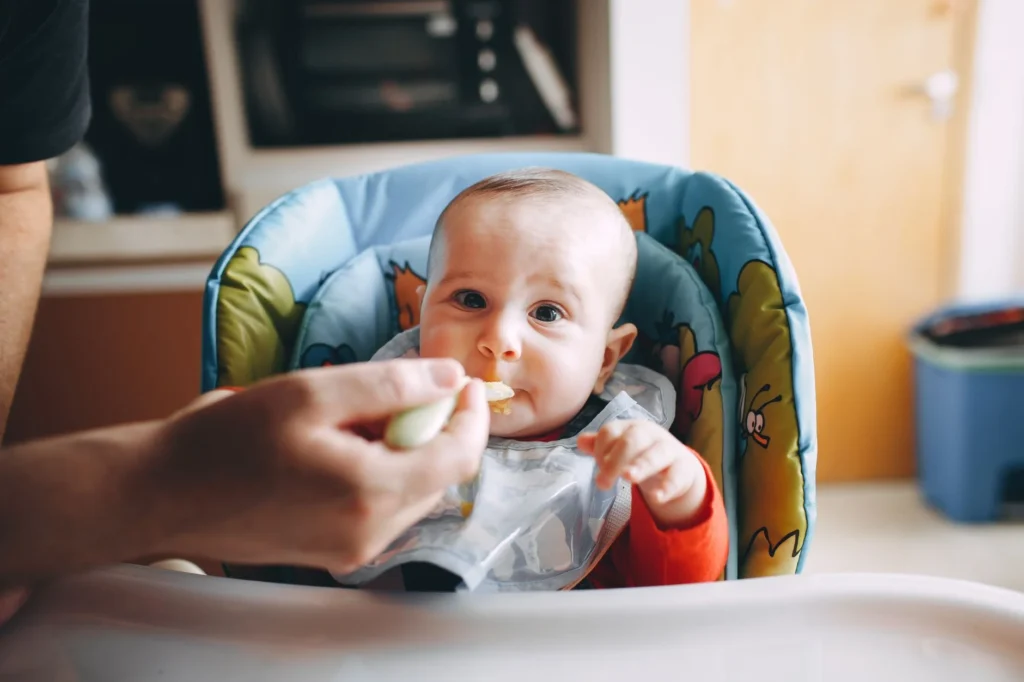
Starting solids is a big milestone! It marks a new chapter in your baby’s journey of growth and discovery. But how do you know when they’re truly ready to take that first bite? It’s less about a specific age and more about developmental readiness.
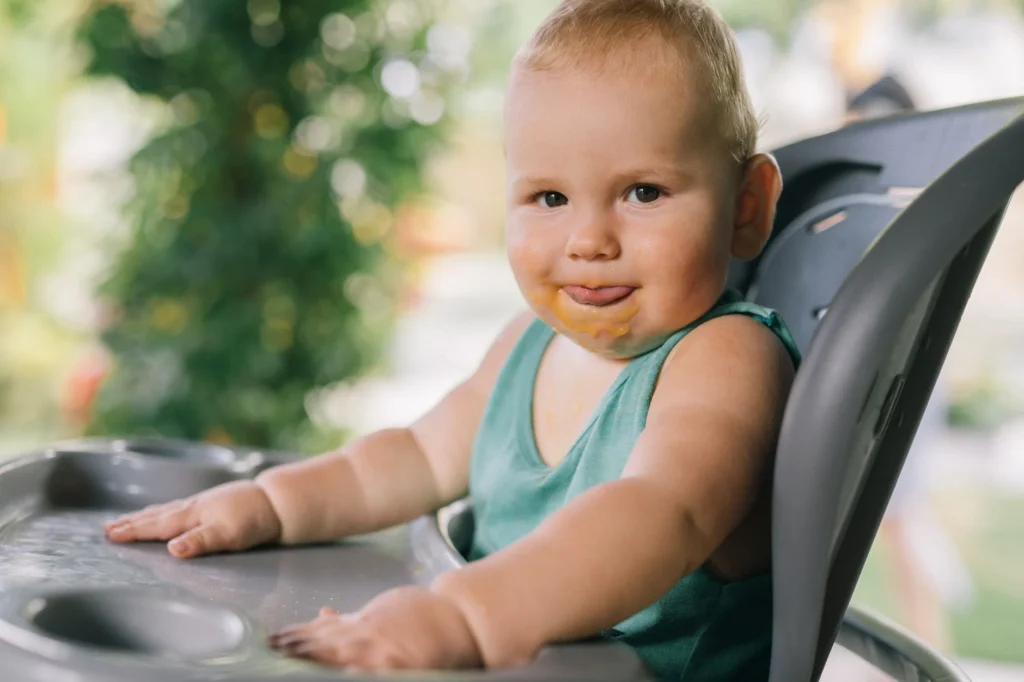
Key Signs of Readiness:
- Head Control: Your baby can hold their head up steadily and without support.
- Sitting Up: They can sit upright with good trunk control, often with a little support.
- Showing Interest: They might lean forward, open their mouth, or watch intently when you eat.
- Loss of Tongue-Thrust Reflex: This natural reflex helps babies push solids out of their mouth. When it diminishes, they’re better able to swallow food.
- Reaching & Grabbing: They can pick up objects and bring them to their mouth.
If you’re unsure, a quick chat with your pediatrician can offer personalized guidance for your little one.

What to Offer First: Gentle Beginnings
When starting, think simple and single-ingredient. This approach helps you monitor for any potential reactions and introduces your baby to new tastes and textures one by one.

Popular First Foods:
- Iron-Fortified Cereals: Often mixed with breast milk or formula to a thin consistency. Rice and oat cereals are common choices.
- Pureed Vegetables: Soft, well-cooked, and pureed vegetables like sweet potato, carrot, pea, or green bean are excellent.
- Pureed Fruits: Ripe banana, avocado, cooked and pureed apple, or pear are naturally sweet and appealing.
Always prepare foods to a smooth consistency at first, gradually increasing lumpiness as your baby gains experience. Remember, breast milk or formula remains their primary source of nutrition, so solids are just an addition to start.
The Introduction Process: Step by Step
Patience is key during this exciting phase. There’s no rush; let your baby lead the way.
Gentle Steps:
- Start Small: Offer just a teaspoon or two at first. Don’t worry if they don’t eat much; it’s about exploration.
- Choose the Right Time: Pick a time when your baby is rested and mildly hungry, not overly famished or sleepy.
- Introduce One New Food at a Time: Offer a new food for 3-5 days before introducing another. This helps you identify any sensitivities or allergies.
- Observe and Learn: Pay attention to their cues. Are they opening their mouth for more? Turning their head away?
- Gradual Progression: As your baby gets used to single-ingredient foods, you can start mixing them or introducing slightly thicker textures.
Important Safety Considerations
Allergens & Reactions:
Introducing common allergens can be nerve-wracking, but many pediatricians now advise introducing them early and consistently. Talk to your doctor for a personalized plan. When you do introduce potential allergens like peanut, egg, dairy, soy, wheat, fish, shellfish, or tree nuts, do so one at a time and watch closely for any signs of an allergic reaction (hives, swelling, vomiting, difficulty breathing). If you see any concerning symptoms, stop feeding and contact your healthcare provider immediately.
Foods to Avoid (or be cautious with):
- No Honey Under 1 Year: This is crucial. Honey can contain spores that cause infant botulism, a serious illness, in babies under one.
- Avoid Added Salt & Sugar: Babies’ kidneys aren’t fully developed to handle excess salt, and sugar offers no nutritional benefit. Stick to natural flavors.
- Choking Hazards: Steer clear of whole nuts, grapes (unless quartered lengthwise), hot dogs (unless finely chopped), large chunks of meat, hard candies, popcorn, and sticky foods like large dollops of nut butter. Always supervise your baby during meals and prepare food safely by cutting it into small, manageable pieces.
- Cow’s Milk: Don’t offer cow’s milk as a primary drink until your baby is at least one year old, as it doesn’t provide the right balance of nutrients for infants. Small amounts in cooked foods are usually fine.
When to Contact a Healthcare Professional:
It’s always best to err on the side of caution. If you notice persistent feeding difficulties, significant changes in bowel movements (severe diarrhea or constipation), unexplained vomiting, sudden rashes, or any other concerning symptoms after introducing solids, don’t hesitate to reach out to your pediatrician.
Practical Tips for Feeding Success
- Embrace the Mess: Mealtimes will be messy, and that’s okay! It’s part of sensory exploration.
- Offer a Variety: Introduce different colors, textures, and tastes to broaden their palate.
- Eat Together: Let your baby join family mealtimes. They learn by watching you.
- Stay Hydrated: Offer sips of water in an open cup or straw cup during meals once solids are introduced.
- Listen to Your Baby: Respect their hunger and fullness cues. Don’t force them to eat more than they want.
Images sourced from Pexels.