
What Changes Now?
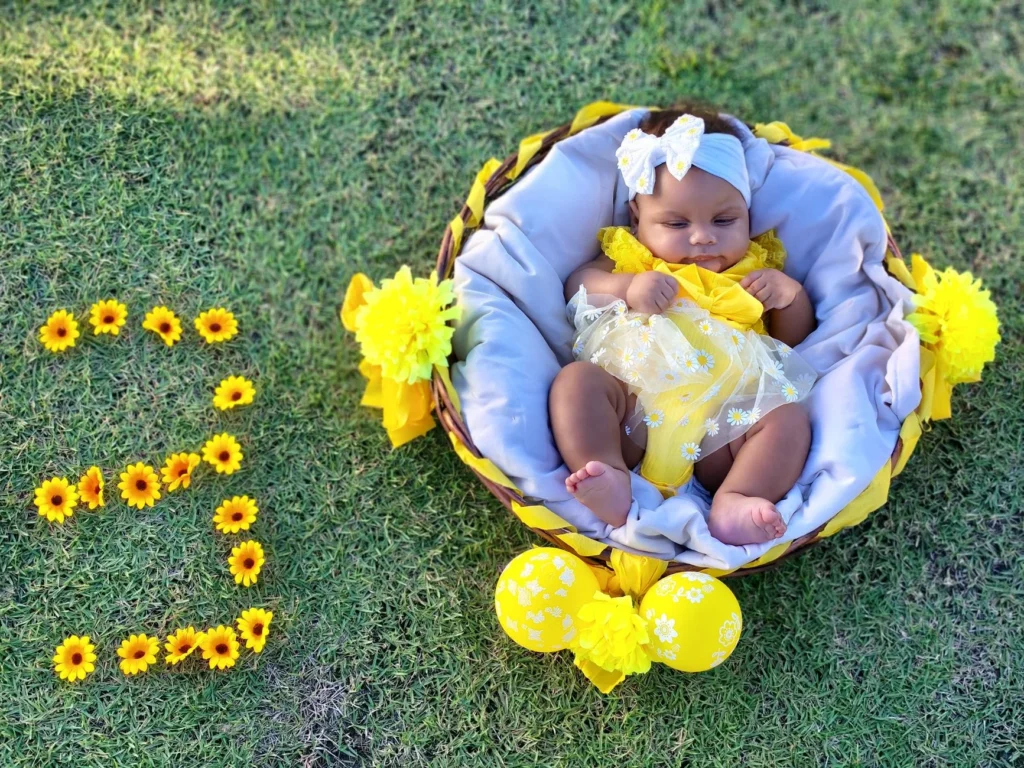
Three months marks a truly special time! Your baby is becoming more aware of the world around them and starting to interact in delightful new ways. Those sweet social smiles are likely frequent, and you’ll notice their movements becoming a little more intentional.
Developmental Milestones
At this age, many babies are refining skills they began developing earlier. Here are some common milestones you might observe:
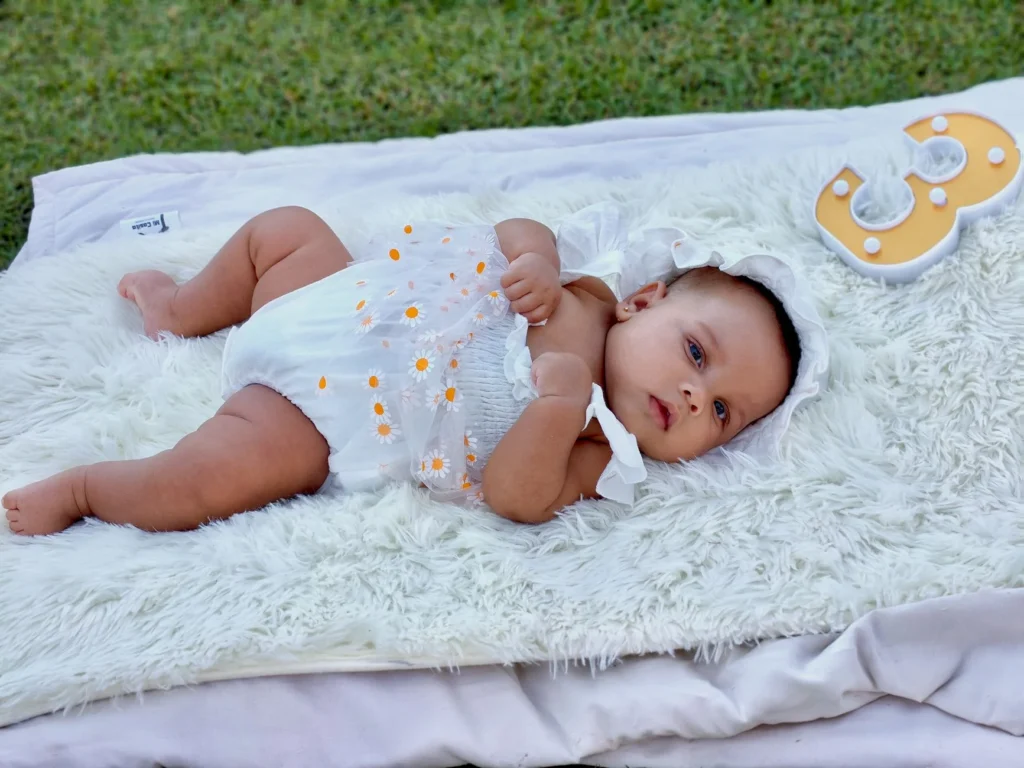
- Head Control: They can usually hold their head up without support for short periods and push up on their forearms during tummy time.
- Reaching & Grasping: Your baby might start reaching for dangling toys or batting at objects. They can hold a rattle for a moment or two.
- Visual Tracking: Their eyes are getting better at following moving objects and people. They love to watch faces!
- Communication: Expect lots of cooing, gurgling, and babbling. They might even try to mimic some sounds you make.
- Social Engagement: Social smiles become more deliberate, and they might even laugh or squeal with delight.
Important Note: This information is for general guidance only and not a substitute for professional medical advice. Every baby develops at their own pace. If you have any concerns about your baby’s development, please consult with your pediatrician or another qualified healthcare professional.
Sleep at 3 Months
While still quite young, some 3-month-olds might start sleeping for slightly longer stretches at night. However, don’t worry if yours isn’t quite there yet! Every baby is different. They still need several feeds throughout a 24-hour period, often including at least one or two overnight.
Tips for Better Sleep
- Consistent Routine: A predictable bedtime routine—like a warm bath, a gentle massage, and a feeding—can signal to your baby that it’s time to wind down.
- Dark & Quiet Space: Ensure their sleep environment is dark, quiet, and cool. White noise can be helpful for some babies.
- Drowsy But Awake: Try placing your baby in their crib or bassinet when they’re drowsy but still awake. This helps them learn to fall asleep independently.
- Swaddling: If your baby is still small enough and not yet showing signs of rolling over, swaddling can continue to provide comfort and reduce the startle reflex. Discontinue swaddling as soon as they show any signs of attempting to roll.
Feeding Your 3-Month-Old
At three months, breastmilk or formula remains the sole source of nutrition for your baby. They’re typically feeding on demand, which means offering a feeding whenever they show hunger cues.
Breastfeeding & Formula Tips
- Watch for Cues: Look for signs of hunger like rooting, bringing hands to mouth, or fussiness, rather than waiting for crying.
- Adequate Intake: Ensure your baby is having plenty of wet and dirty diapers. This is a good indicator they’re getting enough to eat.
- Growth Spurts: You might notice periods where your baby seems hungrier and wants to feed more frequently. This is often a growth spurt, and it’s perfectly normal.
- Burping: Remember to burp your baby during and after feedings to help with any swallowed air.
A Note on Solids: Babies aren’t typically ready for solid foods until around 4-6 months, when they show clear signs of readiness (like good head control and the ability to sit with support). Always consult your pediatrician before introducing solids. A crucial reminder: Never give honey to a baby under one year old due to the risk of infant botulism. Also, avoid adding salt or sugar to any food your baby might eventually consume, especially in the first year.
Play & Development
Playtime is essential for your 3-month-old’s development. They are becoming more engaged and receptive to interaction. Every giggle and coo is a step forward!
Engaging Activities
- Tummy Time: Continue with supervised tummy time sessions daily. This strengthens their neck, back, and shoulder muscles. Make it fun with toys placed just out of reach.
- Reach & Grasp: Offer lightweight rattles or soft toys for them to bat at or grasp.
- Talking & Singing: Talk to your baby often, describing what you’re doing. Sing songs and make funny faces. They love hearing your voice and seeing your expressions.
- Mirrors: Babies are often fascinated by their reflection. A baby-safe mirror can provide endless entertainment.
- Reading: Even though they don’t understand the words, reading picture books exposes them to language and visual stimulation.
Practical Tips for Parents
Parenthood at three months is still a journey of learning and adjusting. Remember to be kind to yourself.
- Ask for Help: Don’t hesitate to lean on your partner, family, or friends for support, whether it’s for an hour of childcare or just a meal.
- Prioritize Rest: Sleep when the baby sleeps, if you can, even for short naps. Rest is crucial for your well-being.
- Connect with Others: Join a parent group or chat with other new parents. Sharing experiences can be incredibly validating.
- Safety First: Always keep a close eye on your baby, especially during play and sleep. Ensure their environment is safe and free of hazards.
Frequently Asked Questions
Is it normal for my 3-month-old to drool a lot?
Yes, increased drooling is very common around this age. It’s often due to developing salivary glands and increased oral exploration, not necessarily teething. Babies tend to put everything in their mouths as they learn about their world.
How much should a 3-month-old eat?
The amount a 3-month-old eats can vary widely. Instead of focusing on exact ounces or minutes, pay attention to their hunger and satiety cues. A baby who is feeding regularly, seems content after feeds, and has plenty of wet and dirty diapers is generally getting enough.
Images sourced from Pexels.