
Navigating the world of baby and toddler sleep can feel like a labyrinth. Many parents seek ways to help their little ones sleep better without resorting to methods that feel too harsh. Gentle sleep training focuses on supporting your child while slowly guiding them towards independent sleep habits.
Remember, the information shared here is for general guidance and educational purposes only. It is not intended to be a substitute for professional medical advice, diagnosis, or treatment. Always seek the advice of your pediatrician or other qualified healthcare provider with any questions you may have regarding a medical condition or your child’s health and development.

Understanding Gentle Sleep Training
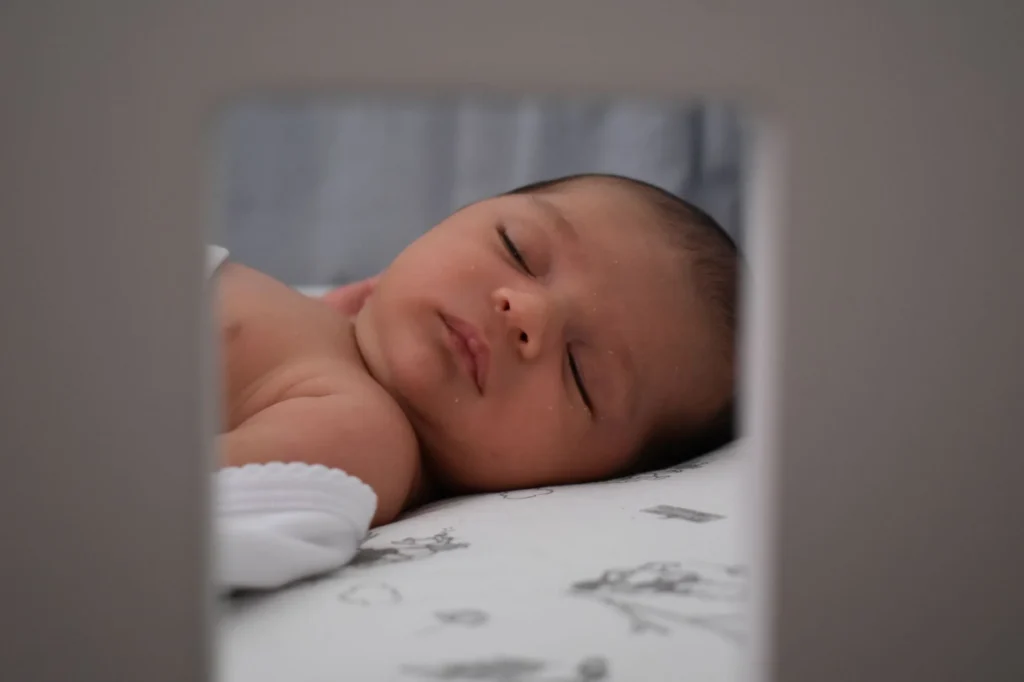
Gentle sleep training isn’t about letting your baby cry it out alone. Instead, it’s about gradually reducing the amount of parental intervention needed for them to fall asleep and return to sleep during the night. The core idea is to teach self-soothing skills while still providing comfort and reassurance, making the process less stressful for both child and parent.

Common Signs Your Little One Might Be Ready
Every child develops at their own pace, but there are usually some clues that suggest they might be ready for gentle sleep guidance:

- They are generally healthy and gaining weight well.
- They’ve outgrown most overnight feeds (for babies, often after 4-6 months, consult your pediatrician).
- They have a fairly predictable daytime nap schedule.
- They show initial signs of self-soothing, like sucking their thumb or a pacifier.
- You’ve established a consistent, calming bedtime routine.
Tiny Habits That Help (Gentle Methods)
The “Chair Method” (or Gradual Retreat)
This approach involves gradually increasing the distance between you and your child’s crib or bed over several nights. You start by sitting right beside them, offering verbal reassurance or gentle pats. As they get comfortable, you slowly move your chair further away each night, eventually out of the room. This offers a comforting presence without direct intervention.
“Pick Up, Put Down” (Best for Younger Babies)
For infants who are not yet mobile, the “pick up, put down” method involves picking up your crying baby to soothe them (without letting them fall asleep in your arms) and then putting them back down in their crib while still awake. This teaches them that you are there for comfort but that sleep happens in their own sleep space.
Bedtime Routine Consistency
A predictable, calming routine before bed signals to your child that sleep is coming. This could involve a warm bath, a gentle massage, reading a story, or singing a lullaby. The consistency helps regulate their internal clock and reduces anxiety around bedtime.
Creating a Sleep-Friendly Environment
Ensure their sleep space is dark, quiet, and cool (around 68-72°F or 20-22°C). A white noise machine can help block out household sounds and create a consistent environment. Always place babies on their back to sleep, in a bare crib free of loose bedding, bumpers, or toys.
Timing is Everything
Watch for your child’s tired cues – rubbing eyes, yawning, decreased activity. Putting them down when they are drowsy but still awake helps them associate their sleep space with falling asleep, rather than being transferred already asleep.
Common Mistakes to Avoid
- Inconsistency: The most common pitfall! Gentle sleep training requires patience and consistency. One night of giving in can set progress back.
- Starting During Transitions: Avoid beginning during major life changes like illness, teething, travel, or moving to a new room. Wait until things are stable.
- Over-stimulation: Too much screen time or exciting play close to bedtime can make it harder for little ones to wind down.
- Unrealistic Expectations: Progress isn’t always linear. There will be good nights and challenging ones. Celebrate small wins and be kind to yourself.
When to Talk to a Professional
While some sleep challenges are part of normal development, there are times when it’s wise to reach out to a healthcare professional, such as your pediatrician or a pediatric sleep consultant. Consider seeking advice if:
- Your child’s sleep difficulties are severe or persistent.
- You have concerns about their overall health, development, or behavior impacting their sleep.
- They experience extreme fussiness, discomfort, or sudden sleep regressions that don’t improve.
- You notice any other general red flags, such as unexplained fever, significant changes in appetite, or prolonged listlessness.
They can help rule out underlying medical issues and offer personalized guidance. Remember, this article provides general information and is not a substitute for professional medical advice.
Images sourced from Pexels.