
Taking the leap into first solids is a big milestone! It’s exciting, a little messy, and a wonderful step in your baby’s development. Offering nutritious homemade foods can be simple and incredibly rewarding. We’ve gathered some easy-to-make recipes that are perfect for those first tiny spoonfuls.
Getting Started with First Foods
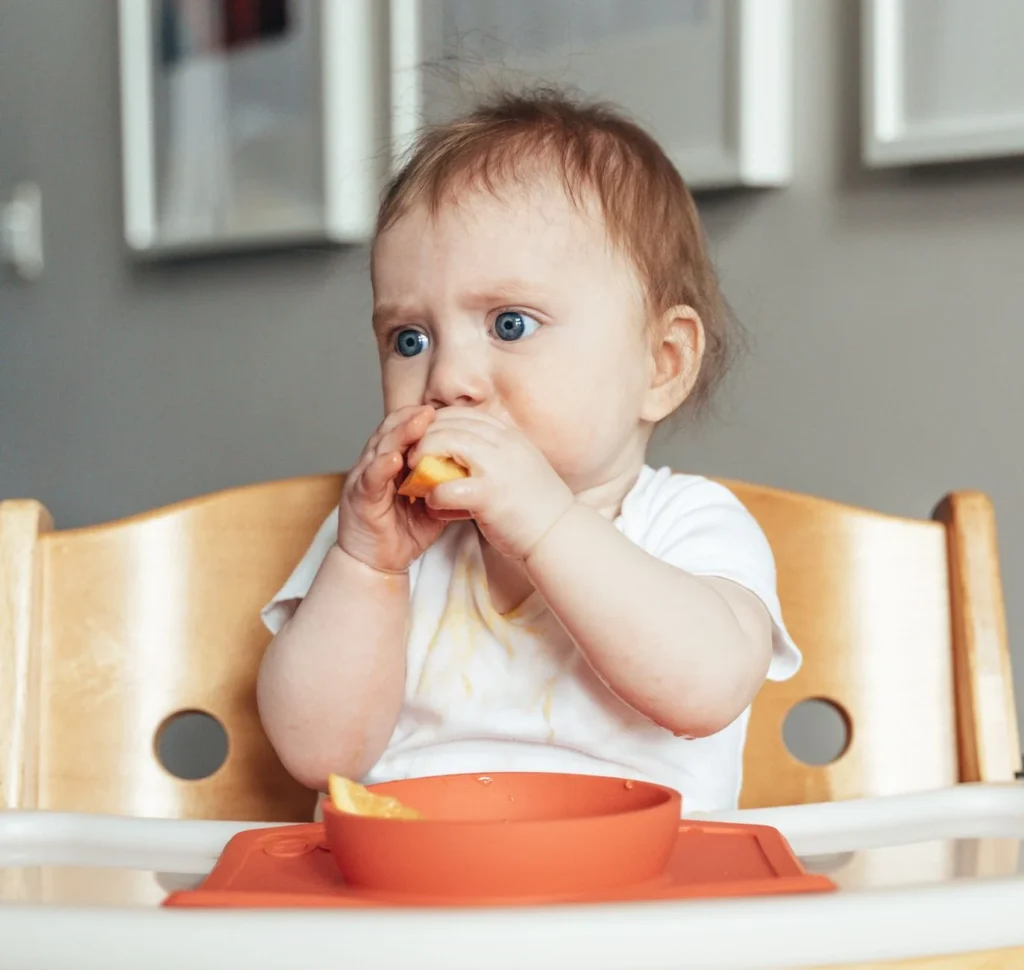
Most babies are ready for solids around 6 months of age, but every child is unique. Look for signs like good head and neck control, sitting up with minimal support, opening their mouth when food is offered, and showing interest in what you’re eating. Starting with single-ingredient purees helps your little one explore new tastes and textures.
Disclaimer
The information provided here is for general knowledge and informational purposes only, and does not constitute medical advice. Always consult with a healthcare professional or pediatrician for any health concerns or before making any decisions related to your child’s diet or health.
Recipe 1: Simple Sweet Potato Puree
Sweet potatoes are naturally sweet and packed with vitamins, making them a fantastic first food choice.
Who it suits
- Babies starting solids (around 6 months).
- Those needing a naturally sweet and vitamin-rich option.
Ingredients
- 1 medium sweet potato
- Breast milk, formula, or water (for thinning, if needed)
Steps
- Wash and peel the sweet potato. Cut it into small, uniform cubes.
- Steam the sweet potato cubes until they are very tender. This usually takes about 15-20 minutes. You should be able to easily mash them with a fork.
- Transfer the cooked sweet potato to a blender or food processor. Add a small amount of breast milk, formula, or water to achieve a smooth, lump-free consistency.
- Blend until completely smooth. Add more liquid if necessary to reach your desired consistency.
- Allow to cool completely before serving.
Storage & Serving
- Serve warm or at room temperature.
- Leftovers can be stored in an airtight container in the refrigerator for up to 2-3 days.
- For longer storage, freeze portions in ice cube trays. Once frozen, transfer the cubes to a freezer-safe bag for up to 1 month. Thaw in the refrigerator or gently warm before serving.
Safety Notes
- No Honey: Never give honey to babies under one year old due to the risk of infant botulism.
- No Added Salt or Sugar: Avoid adding salt or sugar to baby food, as their kidneys are not yet mature enough to process excess sodium, and added sugars are unnecessary and unhealthy.
- Allergens: Introduce new foods one at a time and wait 3-5 days before introducing another new food. This helps identify any potential allergic reactions. Always watch for signs of an allergic reaction such as hives, swelling, vomiting, or difficulty breathing.
- Choking Hazard: Ensure the puree is smooth and free of lumps for very young babies.
Recipe 2: Creamy Avocado & Banana Mash
This simple combination offers healthy fats, potassium, and a wonderfully creamy texture, ideal for beginner eaters.
Who it suits
- Babies ready for soft, mashed textures.
- Those needing a boost of healthy fats and potassium.
Ingredients
- 1/2 ripe avocado
- 1/2 ripe banana
- Breast milk, formula, or water (optional, for thinning)
Steps
- Peel and pit the avocado. Peel the banana.
- In a small bowl, mash the avocado and banana together thoroughly with a fork until very smooth.
- For a thinner consistency, add a tiny bit of breast milk, formula, or water and mix well.
- Serve immediately.
Storage & Serving
- Avocado can brown quickly once exposed to air. This mash is best served fresh.
- If you must store, place in an airtight container with a squeeze of lemon juice (if baby is over 1 and has no citrus allergies) on top, pressing plastic wrap directly onto the surface to minimize air exposure. Refrigerate for up to 1 day. Freezing is not recommended as it changes the texture.
Safety Notes
- No Honey: Remember, honey should not be given to babies under one year old.
- No Added Salt or Sugar: Keep baby food natural. Their palates are developing, and they don’t need added seasonings.
- Allergens: Introduce avocado and banana separately to ensure no reactions before combining. Observe your baby for any signs of allergies for a few days after each new food introduction.
- Freshness: Always use ripe, fresh ingredients.
When to Talk to a Professional
While starting solids is generally straightforward, it’s always wise to consult your pediatrician if you have any concerns. Contact your healthcare provider if your baby shows signs of a severe allergic reaction (like difficulty breathing, widespread hives, or swelling), persistent digestive upset, refusal to eat new foods, or significant weight changes. They can offer personalized guidance and reassurance.
Images sourced from Pexels.