
Finding the Right Fit: Why It Matters
Choosing the right shoe size for your baby isn’t just about comfort; it plays a big role in their healthy foot development. Little feet grow quickly and need plenty of space to wiggle and strengthen. Shoes that are too tight can restrict growth and lead to issues, while shoes that are too loose can cause tripping or rubbing.
Getting an accurate measurement can feel tricky with a squirmy baby or an active toddler. But with a few simple steps, you can confidently find shoes that support their tiny adventures, from crawling to those exciting first steps.
| Approximate Age | Foot Length (cm) | Foot Length (inches) | US Size | UK Size | EU Size |
|---|---|---|---|---|---|
| 0-3 Months | 9-10 cm | 3.5-3.9 in | US 1-2 | UK 0-1 | EU 16-17 |
| 3-6 Months | 10-11 cm | 3.9-4.3 in | US 2-3 | UK 1-2 | EU 17-18 |
| 6-9 Months | 11-12 cm | 4.3-4.7 in | US 3-4 | UK 2-3 | EU 18-19 |
| 9-12 Months | 12-13 cm | 4.7-5.1 in | US 4-5 | UK 3-4 | EU 19-21 |
| 12-18 Months | 13-14 cm | 5.1-5.5 in | US 5-6 | UK 4-5 | EU 21-22 |
| 18-24 Months | 14-15 cm | 5.5-5.9 in | US 6-7 | UK 5-6 | EU 22-24 |
| 24-30 Months | 15-16 cm | 5.9-6.3 in | US 7-8 | UK 6-7 | EU 24-25 |
| 2.5-3 Years | 16-17 cm | 6.3-6.7 in | US 8-9 | UK 7-8 | EU 25-26 |
How to Measure Your Baby’s Feet at Home
You don’t need fancy equipment to measure your baby’s feet. A piece of paper, a pencil, and a ruler are all you need. Here’s a simple way to get a good measurement:
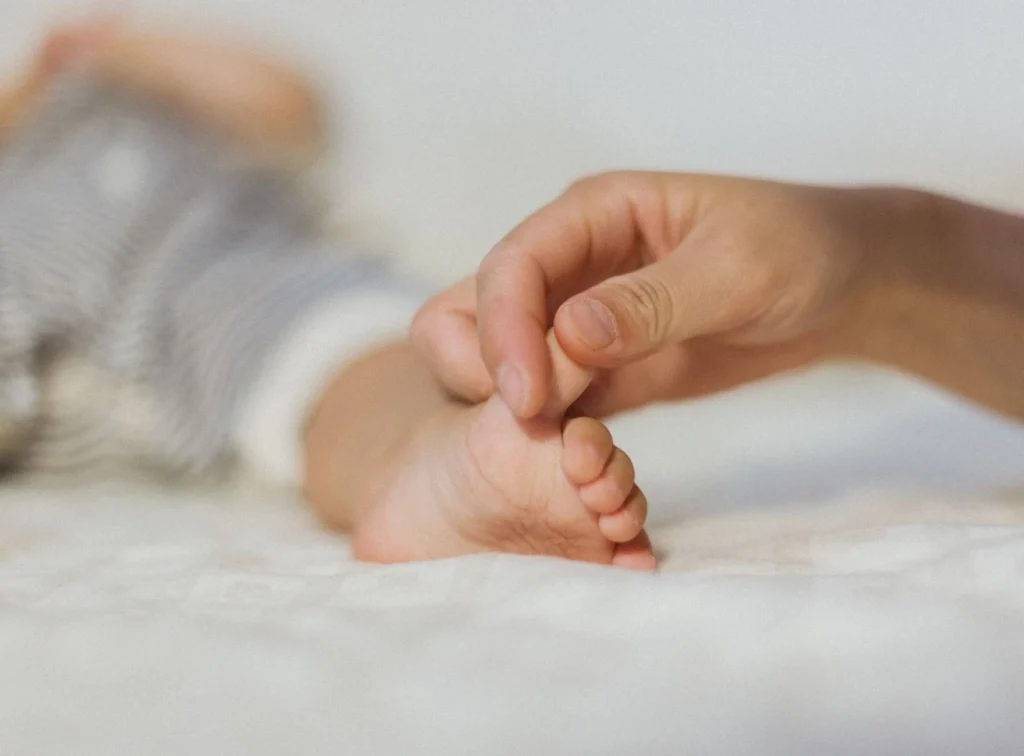
- Gather Your Tools: Find a piece of paper (larger than your baby’s foot), a pencil or marker, and a ruler or tape measure.
- Find a Flat Surface: Place the paper on a hard, flat surface like a floor. You might find it easiest to do this when your baby is calm, perhaps after a nap or during playtime.
- Position Their Foot: Gently place one of your baby’s feet flat on the paper. Make sure their heel is against a wall or a straight line you’ve drawn on the paper to act as a baseline.
- Mark the Outline: Hold their foot still and use the pencil to draw a line at the very tip of their longest toe. You can also lightly trace around their foot to get a sense of its width, though length is the primary factor for shoe size.
- Measure the Length: Remove their foot and use your ruler to measure the distance from your baseline (where the heel was) to the line you drew at their longest toe. This is their foot length.
- Repeat for the Other Foot: Always measure both feet, as one foot can be slightly larger than the other. Use the measurement from the longer foot when choosing shoes.
- Add a Little Wiggle Room: Once you have the measurement, it’s a good idea to add about 0.5 to 1 cm (or about 0.2 to 0.4 inches) to this length. This gives their toes space to grow and move comfortably.
Baby & Toddler Shoe Size Chart
Once you have your baby’s foot length, you can use a chart like this one as a general guide. Remember, sizes can vary slightly between brands, so always check the specific brand’s size chart if available.
Common Mistakes When Sizing Baby Shoes
- Not Measuring Both Feet: One foot can be slightly larger, so always measure both and use the larger measurement.
- Not Adding Growing Room: Shoes should allow a little extra space at the toe. Don’t buy shoes that fit exactly to the current foot length.
- Measuring While Standing: While useful for older kids, measuring a baby’s foot while they are standing can be difficult and less accurate than the flat-on-paper method.
- Assuming Sizes Are Universal: Shoe sizes aren’t standardized across all brands. What’s a size 4 in one brand might be a 3.5 or 4.5 in another. Always check specific brand guides if possible.
- Relying on Old Shoes: Don’t just size up from their last pair without re-measuring. Feet grow in spurts, and it’s easy to misjudge.
When to Talk to a Professional
While this guide offers general information for measuring and fitting shoes, remember that it’s not a substitute for professional medical advice. If you have concerns about your baby’s foot development, such as flat feet, toe-walking, or unusual foot shapes, or if they seem to be in pain, it’s always best to consult with your pediatrician or a podiatrist. They can provide personalized guidance and ensure your little one’s feet are developing healthily.
Images sourced from Pexels.