
Finding the right shoes for your little one is more than just about style. A perfect fit supports healthy foot development, ensures comfort, and helps with those exciting first steps. Ill-fitting shoes can cause discomfort, hinder natural growth, and even lead to long-term foot issues. This guide will walk you through how to accurately measure your baby’s feet and use a size chart to choose the best pair.
This article offers general information and is not a substitute for professional medical advice. Always consult with a healthcare professional for specific concerns about your child’s health or development.
| Foot Length (cm) | Foot Length (inches) | US Size | UK Size | EU Size | Approx. Age |
|---|---|---|---|---|---|
| 9.8 – 10.4 cm | 3.8 – 4.1 in | 2 | 1 | 17 | 3-6 Months |
| 10.5 – 11.1 cm | 4.1 – 4.4 in | 3 | 2 | 18 | 6-9 Months |
| 11.2 – 11.7 cm | 4.4 – 4.6 in | 4 | 3 | 19 | 9-12 Months |
| 11.8 – 12.4 cm | 4.6 – 4.9 in | 5 | 4 | 20 | 12-18 Months |
| 12.5 – 13.0 cm | 4.9 – 5.1 in | 5.5 | 4.5 | 21 | 18-24 Months |
| 13.1 – 13.7 cm | 5.1 – 5.4 in | 6 | 5 | 22 | 2 Years |
| 13.8 – 14.4 cm | 5.4 – 5.7 in | 7 | 6 | 23 | 2.5 Years |
| 14.5 – 15.1 cm | 5.7 – 5.9 in | 8 | 7 | 24 | 3 Years |

How to Measure Your Baby’s Feet
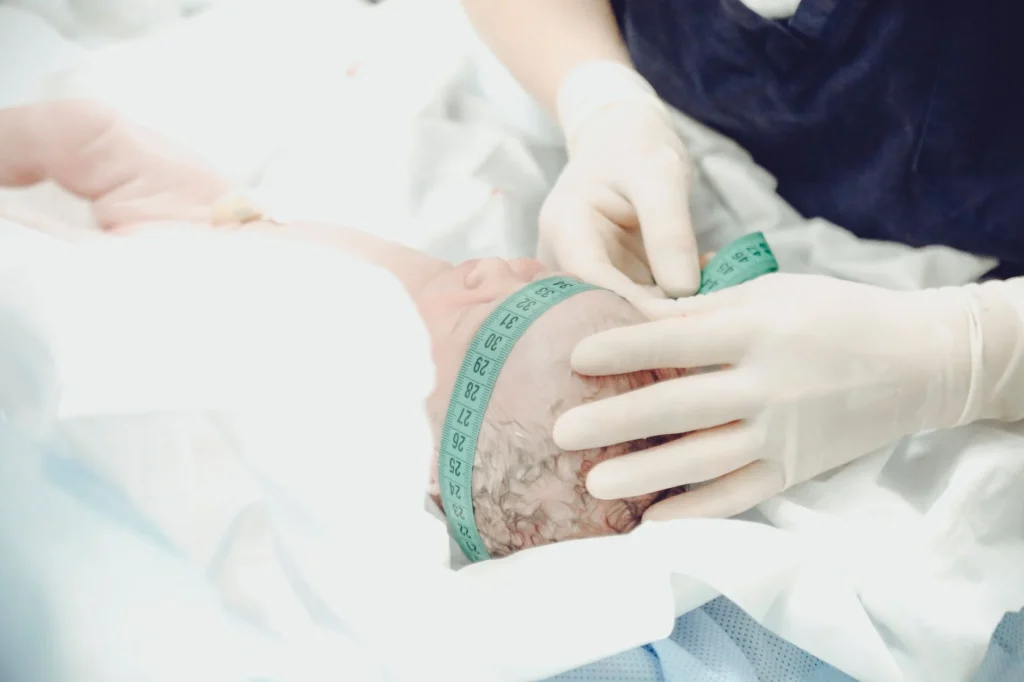
Measuring your baby’s feet might seem tricky, but with a few simple steps, you can get an accurate size at home. It’s best to measure in the afternoon or evening when feet are often at their largest.
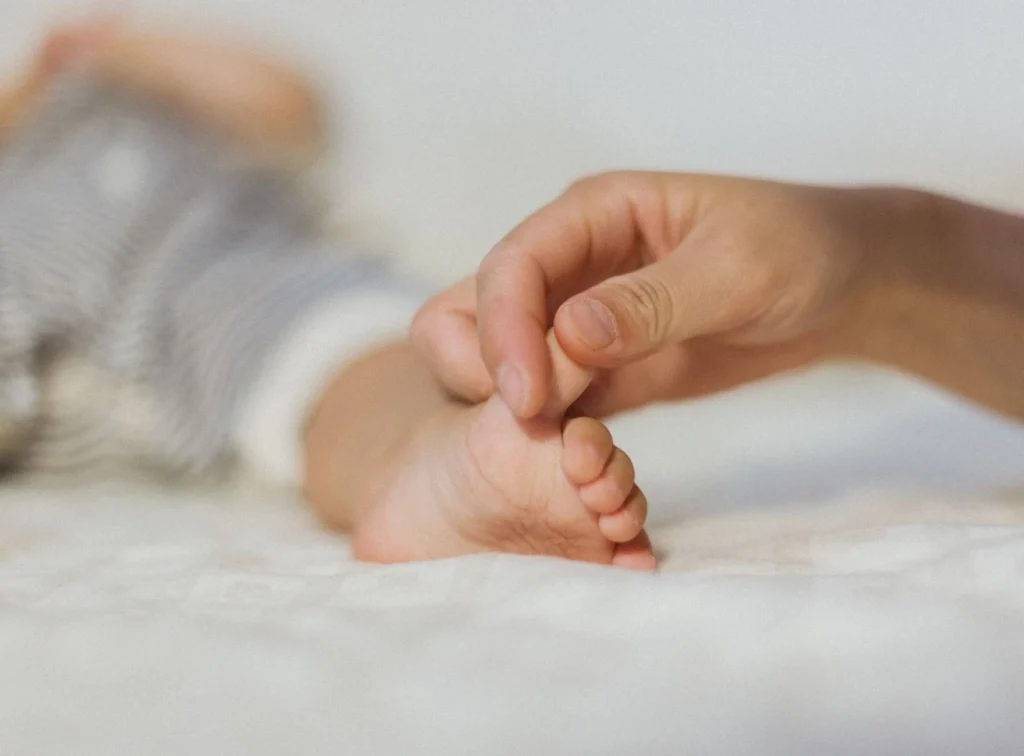
- Gather Your Tools: You’ll need a piece of paper, a pen or pencil, and a ruler or tape measure.
- Position Your Baby: Have your baby stand (or sit with their foot flat on the paper) on a hard surface. Make sure their weight is evenly distributed on both feet if they’re standing.
- Trace the Foot: Place the paper under one foot. Hold the pen straight up and down, and carefully trace around the entire foot, paying close attention to the longest toe and the heel. Repeat for the other foot, as one might be slightly larger.
- Measure the Length: Use your ruler to measure the length from the back of the heel to the tip of the longest toe on both tracings. Record the larger measurement.
- Measure the Width: Measure the widest part of the foot (usually across the ball of the foot).
- Add Wiggle Room: Add about 0.5 to 1 cm (0.2 to 0.4 inches) to the length measurement. This allows for growth and gives toes space to move comfortably.
Baby Shoe Size Chart
Use the longest length you measured (with the added wiggle room) to find the corresponding size in the chart below. Keep in mind that sizing can vary slightly between brands, so always check the specific brand’s size guide if possible.
Common Mistakes to Avoid
- Guessing the Size: Never assume your child’s size or rely solely on their age. Always measure their feet regularly.
- Not Measuring Both Feet: It’s common for one foot to be slightly larger than the other. Always use the measurement from the bigger foot.
- Buying Too Small: Shoes that are too tight restrict foot growth and can cause pain or deformities.
- Buying Too Big: While a little growing room is good, shoes that are too large can cause tripping, blisters, and make it harder for your child to learn to walk or run confidently.
- Not Checking Fit Regularly: Children’s feet grow quickly! Remeasure every 2-3 months for infants and toddlers, and every 4-6 months for older children.
- Ignoring Width: Length isn’t the only factor. Ensure the shoe isn’t too narrow or too wide across the ball of the foot.
When to Talk to a Professional
Most of the time, finding the right shoe size is straightforward. However, if you notice your child consistently struggling with new shoes, showing signs of pain or discomfort, or if their feet develop unusual red marks or blisters despite careful sizing, it’s wise to consult a pediatrician or a pediatric podiatrist. They can assess foot health and address any underlying issues.
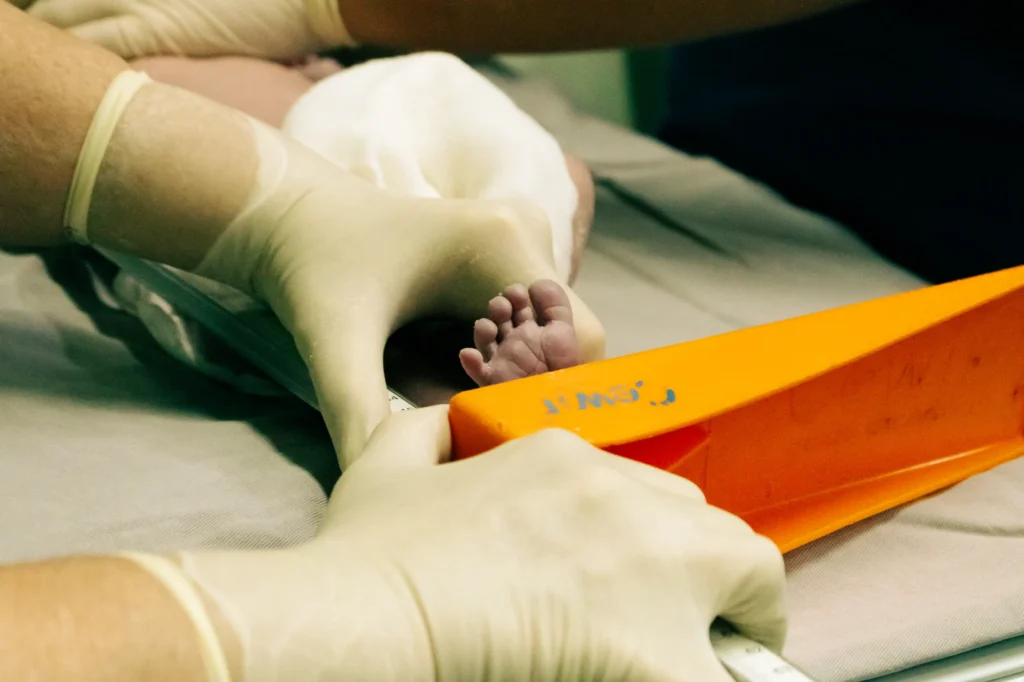
Images sourced from Pexels.