
Choosing the Right Size for Your Little One
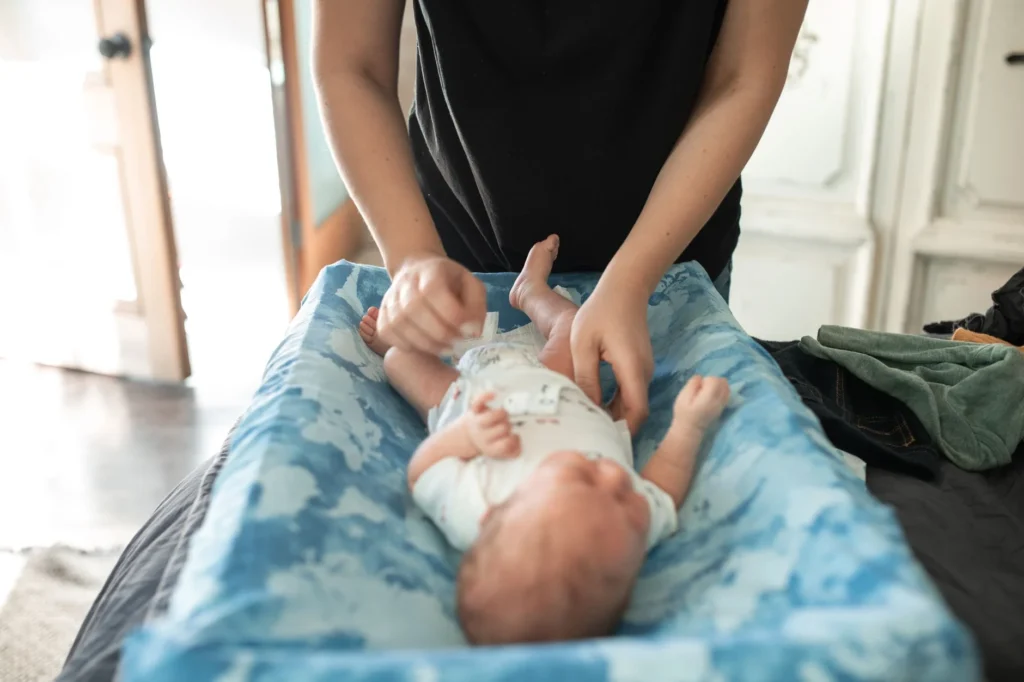
Getting baby clothes just right can feel like a puzzle. Babies grow incredibly fast, and what fits perfectly one week might be snug the next. Picking the right size isn’t just about looks; it’s crucial for your baby’s comfort, movement, and even safety. Clothes that are too tight can restrict breathing and circulation, while overly large items can bunch up, hinder crawling, or even pose a strangulation risk with excess fabric. Understanding sizing helps you make smart choices that keep your little one happy and comfortable.
How to Get Accurate Measurements
While age ranges on clothing tags are a good starting point, the most reliable way to size baby clothes is by using your baby’s current weight and height. Here’s how you can measure:
| Size | Age Range | Weight (approx.) | Height (approx.) |
|---|---|---|---|
| Newborn (NB) | 0-1 Month | Up to 8 lbs (3.6 kg) | Up to 21 in (53 cm) |
| 0-3 Months | 1-3 Months | 8-12.5 lbs (3.6-5.7 kg) | 21-24 in (53-61 cm) |
| 3-6 Months | 3-6 Months | 12.5-16.5 lbs (5.7-7.5 kg) | 24-26.5 in (61-67 cm) |
| 6-9 Months | 6-9 Months | 16.5-20.5 lbs (7.5-9.3 kg) | 26.5-28.5 in (67-72 cm) |
| 9-12 Months | 9-12 Months | 20.5-24.5 lbs (9.3-11.1 kg) | 28.5-30.5 in (72-77 cm) |
| 12-18 Months | 12-18 Months | 24.5-27.5 lbs (11.1-12.5 kg) | 30.5-32.5 in (77-83 cm) |
| 18-24 Months | 18-24 Months | 27.5-30 lbs (12.5-13.6 kg) | 32.5-34 in (83-86 cm) |
Weight
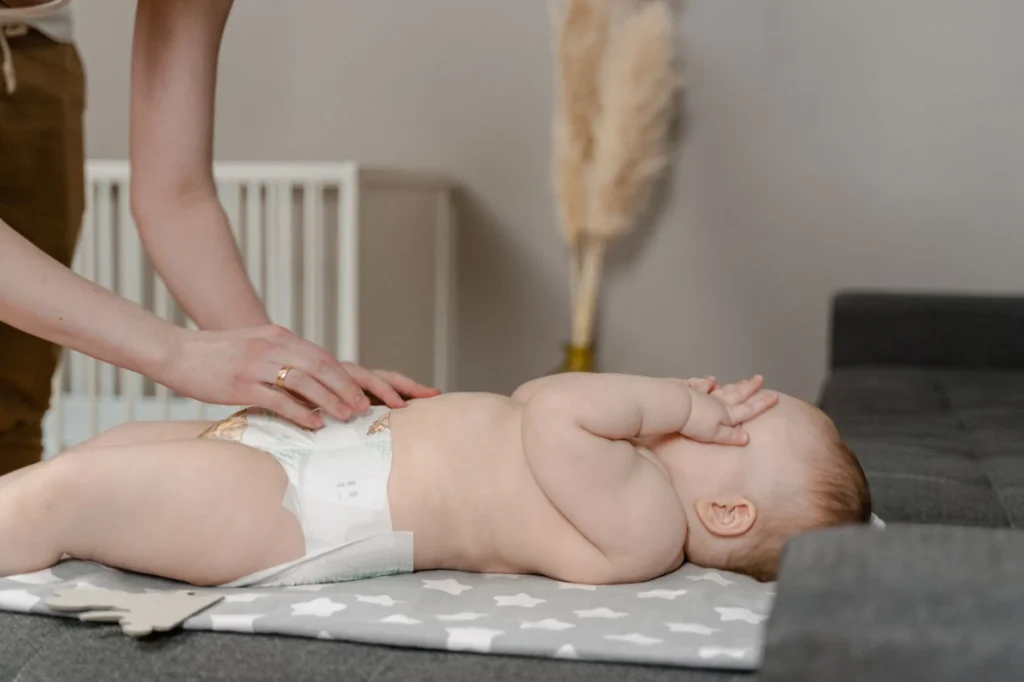
Your pediatrician’s office will give you the most accurate weight. If you’re measuring at home, place your baby on a reliable baby scale. Make sure they are calm and still. Note down the reading.
Height (Length)
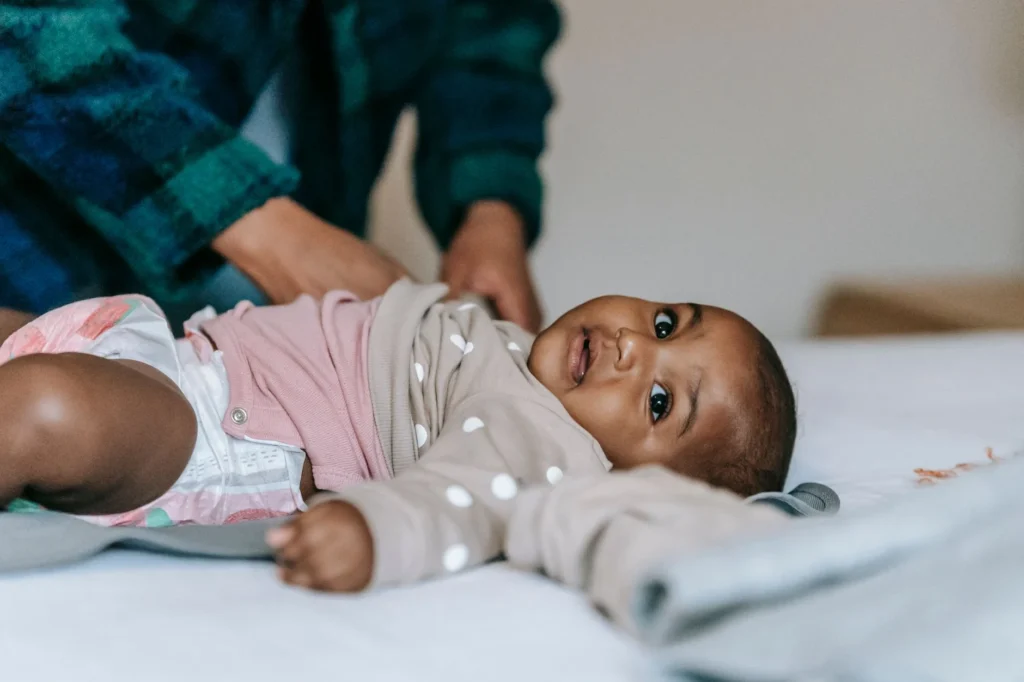
Lay your baby flat on their back on a changing table or floor. Gently stretch out one leg and measure from the top of their head to the bottom of their heel. This might take two people if your baby is squirmy! For older babies who can stand, you can measure them against a wall, but lying down measurements are generally more standard for baby clothing sizes.
Other Measurements
For specific items like hats, you might need to measure your baby’s head circumference. For broader clothes, some brands might use chest or waist measurements, but height and weight are the primary drivers for most general babywear.
Understanding Baby Clothing Sizes
Most baby clothes are sized by age ranges, but remember these are just guidelines. Babies come in all shapes and sizes! Always refer to the specific brand’s size chart if available, as there can be significant differences. The table below offers a general guide:
Common Sizing Mistakes and Helpful Tips
Don’t worry if you’ve made these mistakes; every parent has! Here’s what to watch out for and how to make smarter choices:
Buying Too Many Newborn Items
Newborn size fits a small window, and some babies skip it entirely! It’s smart to have a few essentials, but don’t overstock. Many parents find that 0-3 month clothes fit larger newborns or those who grow quickly, offering more wear.
Ignoring Brand Variations
A size ‘6 months’ from one brand might be closer to a ‘3 months’ from another. Always check the specific brand’s size chart if you can, especially for online purchases. When in doubt, it’s usually better to size up slightly.
Prioritizing Cuteness Over Comfort
That adorable outfit might not be practical for a baby who needs to move, stretch, and be comfortable for naps. Look for soft, breathable fabrics and designs that allow for easy diaper changes and movement.
Not Accounting for Rapid Growth
Babies grow incredibly fast, especially in the first year. If your baby is nearing the top end of a size range, consider buying the next size up. This gives them room to grow and ensures you get more use out of the clothes.
Check Wash Instructions
Some fabrics, especially cotton, can shrink slightly after the first wash and dry. Factor this in, particularly if clothes seem to be a snug fit from the start.
By keeping these tips in mind, you can navigate the world of baby clothes sizing with confidence, ensuring your little one is always dressed comfortably and safely.
Images sourced from Pexels.