
Eighteen months is a truly dynamic age! Your little one is rapidly exploring their world, learning new words, and asserting their budding independence. It’s a time of big leaps in development, from how they move to how they understand and interact with you.
Development at 18 Months

Each child develops at their own pace, but at this stage, you’ll likely observe exciting changes across various areas.
Cognitive Milestones
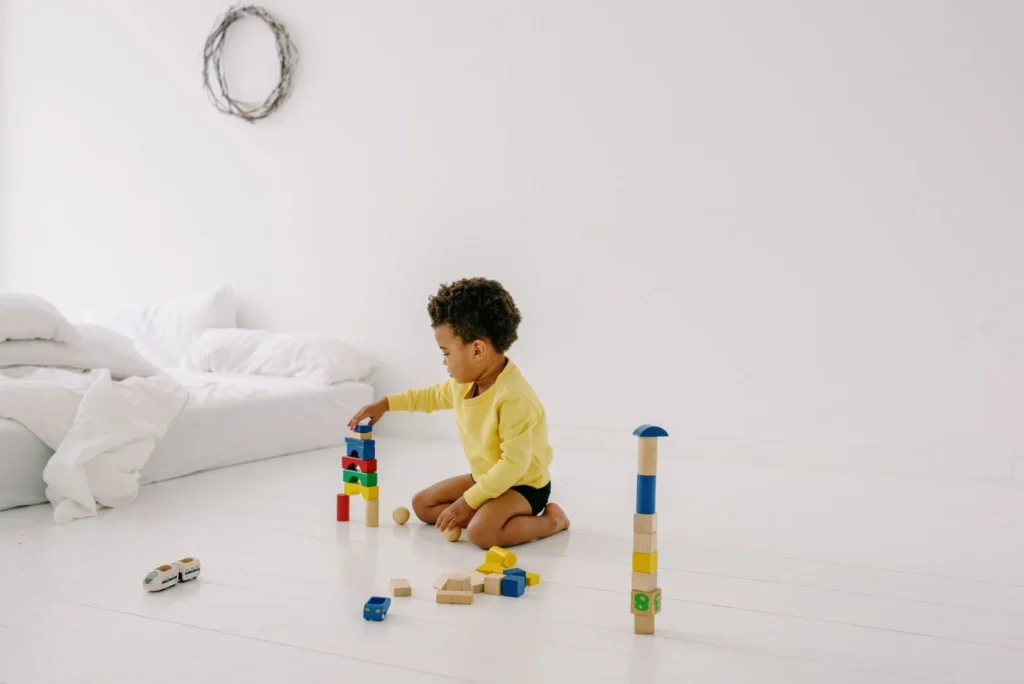
Your toddler is becoming a tiny problem-solver! They’re beginning to understand cause and effect, can find hidden objects, and might follow simple, two-step instructions like, “Pick up the block and put it in the basket.” Pretend play, like feeding a doll, also starts to emerge.
Language and Communication
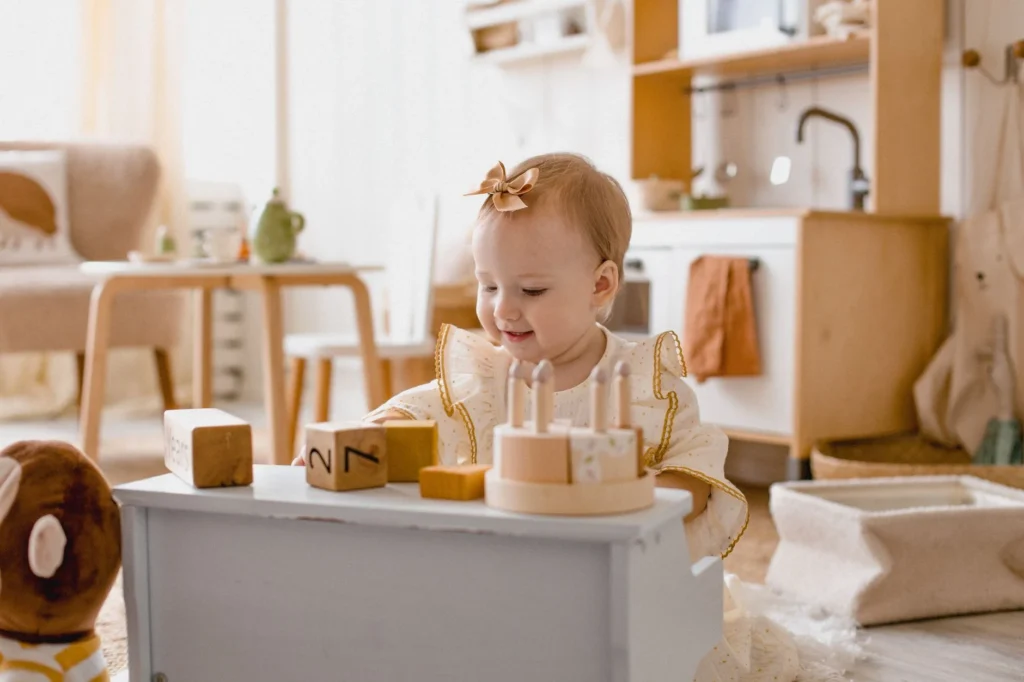
Words are popping up more frequently now. Many toddlers use several single words and can shake their head ‘no’ or nod ‘yes’. They’re also skilled at pointing to show you what they want or what interests them. Their receptive language (what they understand) is often much more advanced than their expressive language (what they say).
Social and Emotional Growth
Expect a mix of sweet cuddles and strong wills! Toddlers at this age often show affection, imitate others, and may develop separation anxiety. This is also a common time for temper tantrums as they grapple with big emotions and limited ways to express them. They’re learning to assert their independence, which is a key part of their growth.
Gross Motor Skills
Walking is usually steady now, and many toddlers are trying to run, climb onto furniture, and walk up and down stairs (often with help or on all fours). Their balance improves daily, making them more confident explorers.

Fine Motor Skills
Tiny hands are getting more dexterous. Your toddler might stack a few blocks, scribble with a crayon, or turn pages in a board book. They’re also likely becoming more adept at self-feeding, using a spoon, and drinking from an open cup.
Engaging Through Play
Play is how toddlers learn best. Offering various opportunities for exploration helps foster their development.
Ideas for Playtime
- Building Blocks: Great for fine motor skills and early problem-solving.
- Picture Books: Reading together boosts language development and fosters a love for stories.
- Pretend Play: Simple scenarios like feeding dolls or driving toy cars encourage imagination.
- Outdoor Adventures: Running, climbing, and exploring nature help with gross motor skills and sensory input.
- Puzzles: Simple knob puzzles or shape sorters challenge their cognitive skills.
Remember to let your child lead sometimes. Child-initiated play is incredibly valuable for their creativity and independence.
Sleep Patterns
Most toddlers at this stage typically need about 11-14 hours of sleep over a 24-hour period, including one afternoon nap. Maintaining a consistent bedtime routine helps signal to their body that it’s time to wind down. Try to keep nap times and bedtimes regular to help them feel secure and well-rested.
Mealtime Adventures
Toddlers often have fluctuating appetites, which is normal. Offer a variety of healthy foods and let them decide how much to eat. Encourage self-feeding with child-friendly utensils and finger foods.
- Continue to offer nutrient-rich foods like fruits, vegetables, whole grains, and lean proteins.
- Avoid adding extra salt or sugar to their food. Their tiny taste buds are sensitive enough!
- Always supervise meals to prevent choking, and cut food into small, manageable pieces.
Nurturing Growth: Practical Tips
- Communicate: Talk, sing, and read to your toddler often. Narrate your day.
- Encourage Independence: Let them try to dress themselves, help with simple chores, or choose between two options.
- Set Boundaries: Gentle, consistent discipline helps them understand expectations and feel safe.
- Stay Patient: Tantrums are tough, but they’re a normal part of development. Offer comfort and help them name their feelings.
- Childproof: Ensure your home is safe for a curious and mobile toddler.
When to Chat with a Healthcare Professional
While every child’s development journey is unique, it’s always a good idea to discuss any concerns you have with your child’s healthcare provider. They can offer personalized guidance and support.
Please note: This information is for general guidance only and is not a substitute for professional medical advice. Always consult with a qualified healthcare professional for any health concerns or before making decisions related to your child’s care.
Consider reaching out if your toddler:
- Isn’t walking steadily.
- Doesn’t say at least a few words.
- Doesn’t seem to understand simple commands.
- Doesn’t make eye contact or show interest in others.
- Loses skills they once had.
Common Questions
Is it normal for my 18-month-old to have temper tantrums?
Absolutely! Tantrums are very common at this age as toddlers learn to express big feelings and desires with limited language skills. Providing comfort, distractions, and helping them label emotions can be helpful.
How can I encourage my toddler to talk more?
Talk to them constantly, read books together, sing songs, and give them opportunities to ask for things (even if it’s pointing). Respond to their babbling and attempts at words to encourage more communication.
What are good ways to manage picky eating?
Offer a variety of healthy foods, let them self-feed, and avoid pressuring them to eat. It can take many exposures for a child to accept a new food. Keep mealtimes positive and serve small portions.
Images sourced from Pexels.