
Who a Stroller Helps
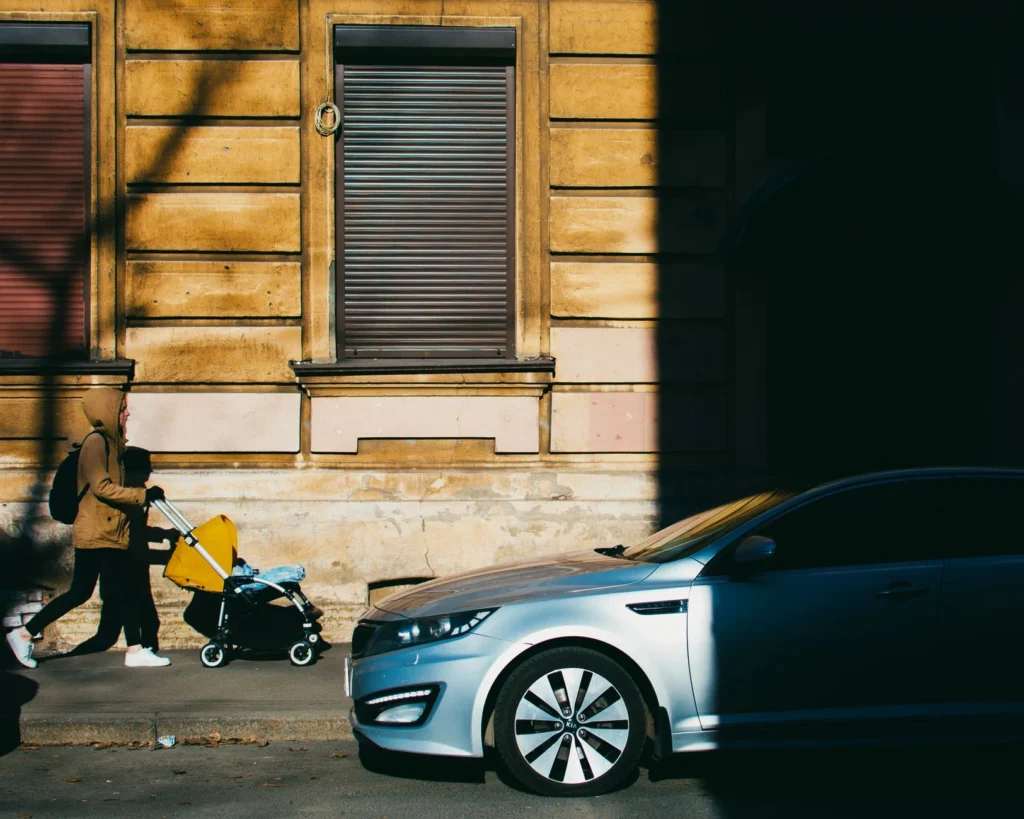
A good stroller can be a game-changer for parents and caregivers. It offers freedom to navigate your day, whether you’re running errands, enjoying a leisurely walk in the park, or traveling. For your little one, it means a comfortable and safe spot to rest, observe the world, or even nap while on the go. From newborns needing a secure recline to active toddlers who are always ready for an adventure, there’s a perfect stroller out there to fit your family’s unique rhythm and lifestyle.
Key Stroller Selection Criteria
Choosing the right stroller can feel like a big decision. Consider your daily life and your child’s needs to narrow down the options.

Consider Your Lifestyle
- City Living: If you navigate busy sidewalks, public transport, or tight spaces, look for lightweight, compact, and easily maneuverable strollers. A good basket for groceries is a bonus!
- Suburban/Rural: For longer walks, park trips, or uneven terrains, a stroller with sturdy wheels and good suspension will provide a smoother ride.
- Active Parents: If jogging or brisk walks are part of your routine, a dedicated jogging stroller designed for stability and comfort at higher speeds is ideal.
- Traveler: Frequent fliers or road-trippers will appreciate ultra-compact, easy-to-fold travel strollers that meet airline carry-on dimensions or fit easily in a car trunk.
Stroller Types Explained
- Standard Full-Size Strollers: Versatile and durable, often with many features like large storage, multiple recline positions, and reversible seats. They tend to be heavier.
- Lightweight/Umbrella Strollers: Excellent for quick trips, travel, or as a secondary stroller. They are compact, easy to fold, but may lack some features and suspension.
- Travel Systems: These include a car seat that clicks directly into the stroller frame, making transitions from car to stroller seamless, especially for newborns.
- Jogging Strollers: Built for speed and rough terrain with large, air-filled tires and advanced suspension. Safety harnesses are extra secure.
- Double/Triple Strollers: Designed for siblings or twins, coming in tandem (front-to-back) or side-by-side configurations.
- Convertible Strollers: Offer flexibility, often starting as a bassinet, converting to a toddler seat, and sometimes expanding to accommodate a second child later.
Essential Features to Look For
- Maneuverability: Can you easily steer it with one hand? Are the wheels smooth and responsive?
- Foldability: Look for one-hand folds or compact designs, especially if you’ll be storing it often or putting it in a car.
- Storage: A spacious under-seat basket is invaluable for diaper bags, groceries, and toys.
- Adjustability: Check for adjustable handlebars (for parents of different heights), multi-position recline for napping, and an adjustable footrest.
- Canopy: A large, extendable canopy offers good sun protection. A peek-a-boo window is great for checking on your little one.
- Brakes: Ensure they are easy to engage and disengage and securely lock the stroller in place.
- Harness System: A 5-point harness is crucial for safety, ensuring your child is snug and secure.
- Washable Fabrics: Life with babies gets messy. Removable, washable fabrics are a huge plus.
Your Stroller Safety Checklist
Safety is paramount when choosing and using a stroller. Always prioritize features that keep your child secure and comfortable.
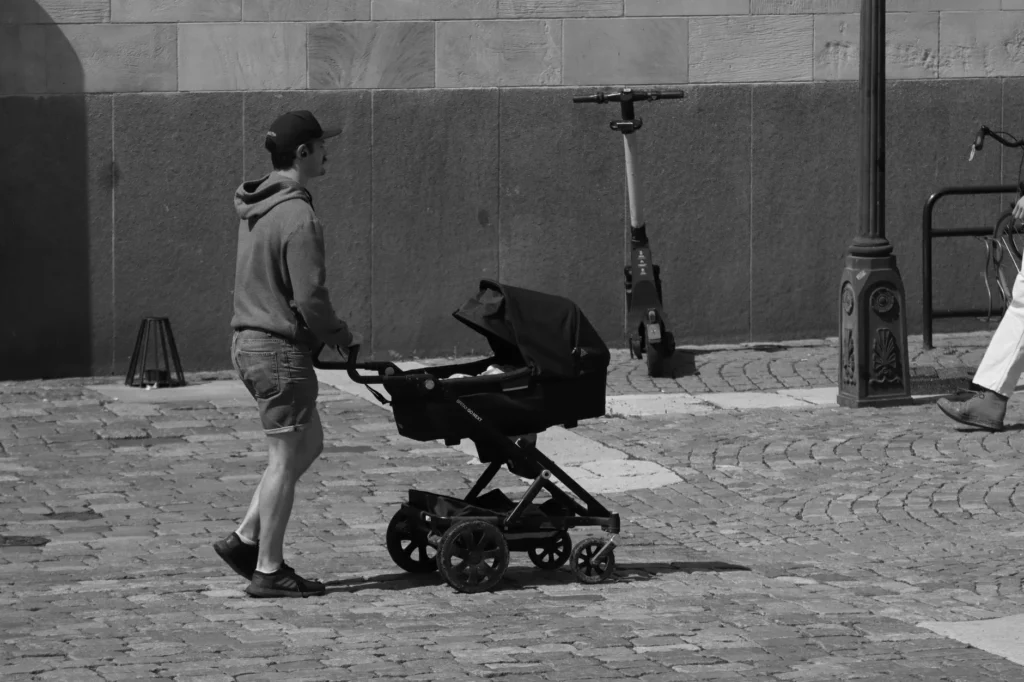
- Harness: Ensure it has a 5-point harness that is easy to fasten and adjust, keeping your child snugly in place.
- Brakes: Test the brakes to confirm they are easily accessible, lock firmly, and prevent any unintended movement.
- Stability: The stroller should feel stable and not tip easily, even with a bag hanging from the handle (though it’s best to avoid this practice).
- Weight Limits: Strictly adhere to the manufacturer’s maximum weight and height limits for both the child and any storage baskets.
- No Pinch Points: Check for any gaps or hinges where little fingers or limbs could get caught during folding or adjustment.
- Certification: Look for safety certifications or compliance with relevant safety standards in your region.
- Assembly: Always follow the manufacturer’s assembly instructions precisely. Double-check all connections and locks before use.
Always consult the manufacturer’s manual for specific safety instructions and guidelines. This information is for general guidance and not a substitute for professional advice.
Caring for Your Stroller
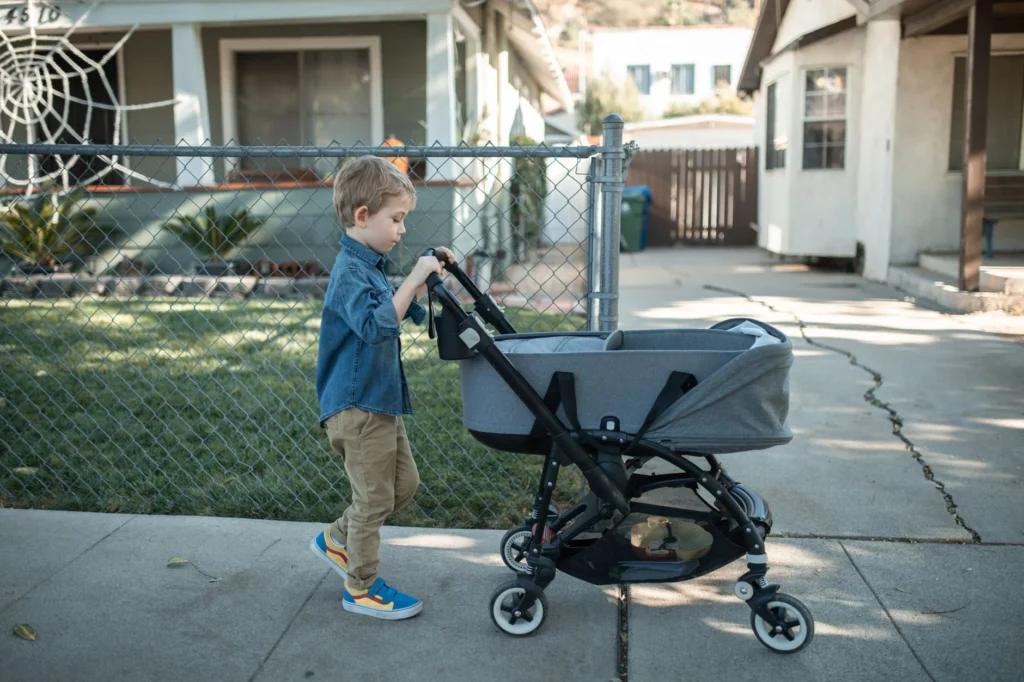
Proper care extends the life of your stroller and ensures it remains safe. Regularly wipe down the frame with a damp cloth to remove dirt and grime. For fabric components, check the manufacturer’s instructions; many seat pads are removable and machine washable, or can be spot cleaned with mild soap and water. Keep wheels clean and free of debris, and occasionally lubricate moving parts if recommended by the brand. Store your stroller in a dry place, away from extreme temperatures, to prevent material degradation.
Common Stroller Questions
- When do I need a stroller?
- Many parents get a stroller before their baby arrives, especially if it’s a travel system. Some strollers are suitable from birth (with full recline or bassinet attachment), while others require the baby to be able to sit up unassisted, typically around 6 months.
- Are all strollers car seat compatible?
- No. Only travel systems or specific strollers that offer adaptors for particular car seat models are designed for car seat compatibility. Always verify compatibility before purchasing.
- How long can a child use a stroller?
- This varies widely by stroller model and your child’s growth. Most strollers accommodate children up to 3 to 5 years old or until they reach a certain weight limit, typically between 40-55 pounds (18-25 kg).
Images sourced from Pexels.