
Welcome to 28 weeks! This milestone marks your official entry into the third and final trimester of pregnancy. Things are getting real now, both for you and your little one. As you move closer to meeting your baby, you’ll experience new changes and some returning sensations from earlier weeks. Let’s dive into what’s happening and how you can prepare for the exciting weeks ahead.
What Happens at 28 Weeks Pregnant?

Your Baby’s Journey
At 28 weeks, your baby is busy growing and getting ready for the outside world. Their eyes can now open and blink, and they’re becoming more aware of light and shadow. Fat layers are continuing to form under their skin, which is helping them fill out and look less wrinkled. Their brain is developing rapidly, forming deeper grooves, and they’re even starting to practice breathing movements. You’ll likely feel more distinct kicks, jabs, and stretches as your baby becomes stronger and has less room to maneuver. While they might be head-down by now, there’s still time for them to change position.

Changes in Your Body
As your baby grows, so does your uterus, putting more pressure on your internal organs. You might notice some familiar symptoms returning, like increased fatigue. Braxton Hicks contractions, often described as a tightening or hardening of your belly, are also common as your body practices for labor. These are usually irregular and painless, but always contact your healthcare provider if they become regular, painful, or you have any concerns. Swelling in your feet and ankles can become more noticeable, especially after long periods of standing. Keep an eye out for sudden or severe swelling, which warrants a call to your doctor. Heartburn and indigestion might also be frequent companions, as can mood swings and increased vaginal discharge.
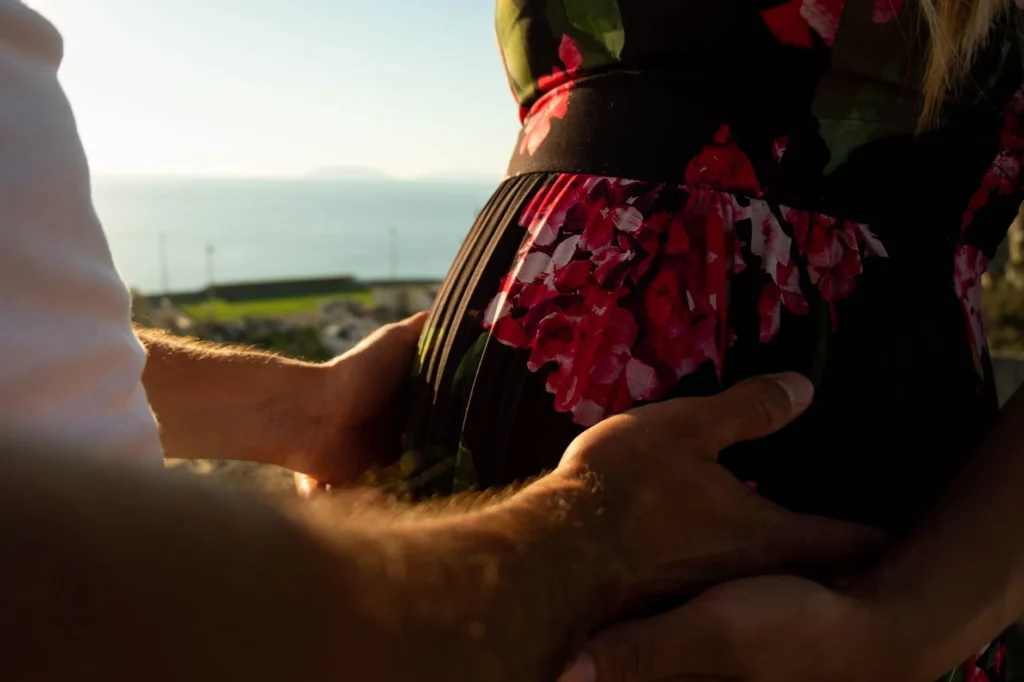
Please remember, the information provided here is for general guidance only and should not be considered medical advice. Always consult with your healthcare professional for personalized care and any health concerns.

Tips for Mom at 28 Weeks
Navigating the third trimester means focusing on self-care and preparation. Here are some tips to help you through:
- Monitor Fetal Movement: Your healthcare provider might advise you to start regularly tracking your baby’s movements, often called kick counts. Get to know your baby’s usual patterns. If you notice a significant decrease or change, contact your doctor immediately.
- Stay Hydrated & Nourished: Continue prioritizing a balanced diet rich in nutrients for both you and your baby. Drinking plenty of water is essential to prevent dehydration, which can sometimes trigger Braxton Hicks contractions.
- Manage Discomfort: For swelling, try elevating your feet, wearing supportive shoes, and taking regular breaks from standing. Small, frequent meals can help alleviate heartburn. Don’t hesitate to discuss any discomforts with your healthcare provider for safe relief options.
- Prioritize Rest: Fatigue often makes a comeback in the third trimester. Listen to your body and rest when you can. Naps are a great idea, and focus on creating a comfortable sleep environment.
- Connect with Your Support System: Lean on your partner, friends, and family. Talking about your feelings and fears can be incredibly helpful.
- Keep Up with Appointments: Your prenatal visits will become more frequent now. These are crucial for monitoring your health and your baby’s growth and well-being.
Your Third Trimester Checklist
This is a great time to start crossing items off your to-do list for baby’s arrival:
- Confirm your remaining prenatal appointment schedule.
- Start (or continue) daily fetal movement tracking.
- Sign up for or attend childbirth education classes, if you haven’t already.
- Begin thinking about and packing your hospital bag essentials.
- Finish setting up and organizing the nursery.
- Acquire essential baby gear, especially your car seat (and learn how to install it!).
- Identify your postpartum support system – who can help with meals, errands, and baby care?
- Discuss your birth preferences and birth plan with your partner and healthcare provider.
- Consider preparing some freezer meals for the first few weeks postpartum.
Common Questions at 28 Weeks Pregnant
Q: What is a normal amount of movement at 28 weeks?
A: Every baby is different, but generally, you should feel at least 10 movements (kicks, flutters, rolls) within a two-hour period when you’re resting and focusing on your baby. If you notice a significant decrease or change from your baby’s usual pattern, contact your healthcare provider right away.
Q: Are Braxton Hicks contractions normal?
A: Yes, they are very normal! Braxton Hicks are your uterus practicing for labor. They are usually irregular, non-painful tightenings that come and go. True labor contractions will typically be more regular, longer, stronger, and more painful over time. If you’re unsure or concerned, it’s always best to check with your doctor.
Q: Can I still travel at 28 weeks?
A: Many women can still travel at 28 weeks, but it’s essential to discuss your plans with your healthcare provider first. They can advise based on your specific health and pregnancy. Generally, long-distance travel, especially flying, might become more restricted as your due date approaches. Always stay hydrated and move around frequently on long journeys.
Q: What should I eat to stay healthy in the third trimester?
A: Continue focusing on a nutrient-dense diet. Prioritize lean proteins, plenty of fruits and vegetables, whole grains, and healthy fats. Staying well-hydrated is also key. If you’re experiencing heartburn, small, frequent meals throughout the day can sometimes be more comfortable than larger ones.
The third trimester brings its own unique joys and challenges. By staying informed, taking good care of yourself, and communicating openly with your healthcare provider, you’re setting yourself up for a healthy and positive journey towards meeting your little one!
Images sourced from Pexels.