
Choosing a Stroller for Your Newborn
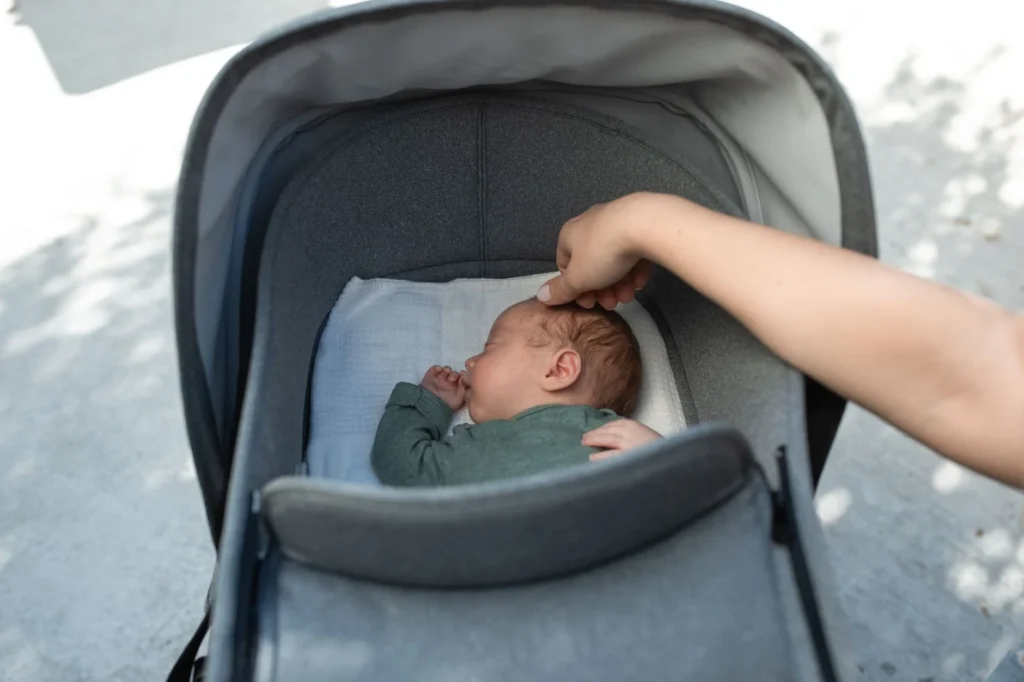
Bringing a new baby home means a whole new world of gear, and few items are as central to daily life as the stroller. For newborns, choosing the right stroller is crucial for their safety, comfort, and your peace of mind. Not all strollers are suitable for infants who can’t yet sit up unsupported. Understanding the key features and safety considerations will help you make the best choice for your family.
Who Benefits from a Newborn-Ready Stroller?
Essentially, any parent or caregiver of a baby from birth through their first few months will find immense value in a stroller designed for newborns. These strollers provide the necessary support for a baby’s developing spine and neck, allowing them to lie flat or in a deeply reclined position. This is vital for healthy breathing and preventing airway obstruction. If you plan to be out and about with your infant, whether for errands, walks in the park, or simply navigating daily life, a proper newborn stroller is indispensable.

Key Considerations When Selecting a Stroller
Navigating the world of strollers can feel overwhelming. Here are the essential factors to think about:

- Full Recline or Lie-Flat Position: For newborns, a stroller must allow them to lie completely flat or close to it. This supports proper spinal development and keeps their airway open. Many traditional strollers are not suitable for infants without this feature. Look for strollers with a true bassinet attachment or a seat that fully reclines.
- Safety Features: A secure 5-point harness is a must, keeping your baby snugly in place. Check for reliable brakes that are easy to engage and disengage.
- Maneuverability and Wheels: Consider where you’ll be using the stroller most. Larger, all-terrain wheels might be great for uneven paths, while smaller, swivel wheels are excellent for city streets and tight spaces. Test how easily it turns and handles.
- Storage Capacity: A spacious under-seat basket is incredibly helpful for diaper bags, groceries, and other essentials.
- Weight and Foldability: If you’ll be lifting the stroller into a car trunk frequently or carrying it up stairs, a lightweight, compact folding design is a major plus.
- Compatibility with Car Seats: Many strollers offer a “travel system” option, allowing you to click an infant car seat directly onto the stroller frame. This is incredibly convenient for quick transitions from car to stroller without disturbing a sleeping baby.
- Durability: A stroller is an investment. Look for quality materials and sturdy construction that can withstand daily use and potential hand-me-downs.
- Canopy and Weather Protection: A large, extendable canopy protects your baby from sun, wind, and light rain.
Prioritizing Safety: A Newborn Stroller Checklist
Your baby’s safety is paramount. Before making a purchase, use this checklist:

- Harness System: Ensure a secure 5-point harness is easy to adjust and keeps your baby snug without being too tight.
- Brakes: Test the brakes. They should be strong, reliable, and easily accessible. Both sets of wheels should lock securely.
- Stability: The stroller should feel sturdy and stable, even with a baby inside. It shouldn’t tip easily.
- No Pinch Points: Check for any areas where small fingers could get pinched when folding or adjusting the stroller.
- Certification: Look for safety certifications specific to your region, indicating the stroller has met stringent safety standards.
- Manufacturer Guidelines: Always read the user manual thoroughly and adhere to the manufacturer’s weight and age recommendations. Never exceed the stated limits.
Maintaining Your Stroller
Keeping your stroller clean and in good working order helps extend its life and ensures continued safety.
- Cleaning Fabric: Most fabric components can be spot-cleaned with mild soap and water. Some may be removable and machine washable; always check the care tag.
- Wheels: Regularly check the wheels for debris, hair, or dirt that could impede movement. Keep them clean and lubricated if recommended by the manufacturer.
- Frame and Mechanisms: Wipe down the frame with a damp cloth. Ensure folding mechanisms and latches move smoothly and aren’t corroded.
Remember, this information is for general guidance only and not a substitute for professional advice. Always follow the specific instructions and safety warnings provided by your stroller’s manufacturer.
Common Questions About Newborn Strollers
Got more questions? We’ve got some answers!
- Can all strollers be used for newborns? No, not all strollers are suitable. Newborns need to lie flat or in a deeply reclined position to support their head, neck, and developing spine. Standard upright stroller seats are typically not safe for infants who cannot sit unsupported.
- What’s the difference between a travel system and a bassinet stroller? A travel system includes a car seat that clicks onto the stroller frame, offering seamless transitions. A bassinet stroller features a flat, fully enclosed bassinet attachment, ideal for extended walks and naps on the go. Both are suitable for newborns, offering different advantages.
- How long can a baby use a newborn-specific stroller feature? Features like bassinet attachments are typically used until a baby can push up on their hands and knees or reaches a certain weight limit, usually around 6 months, whichever comes first. Always check the manufacturer’s guidelines for exact usage limits.
Images sourced from Pexels.