
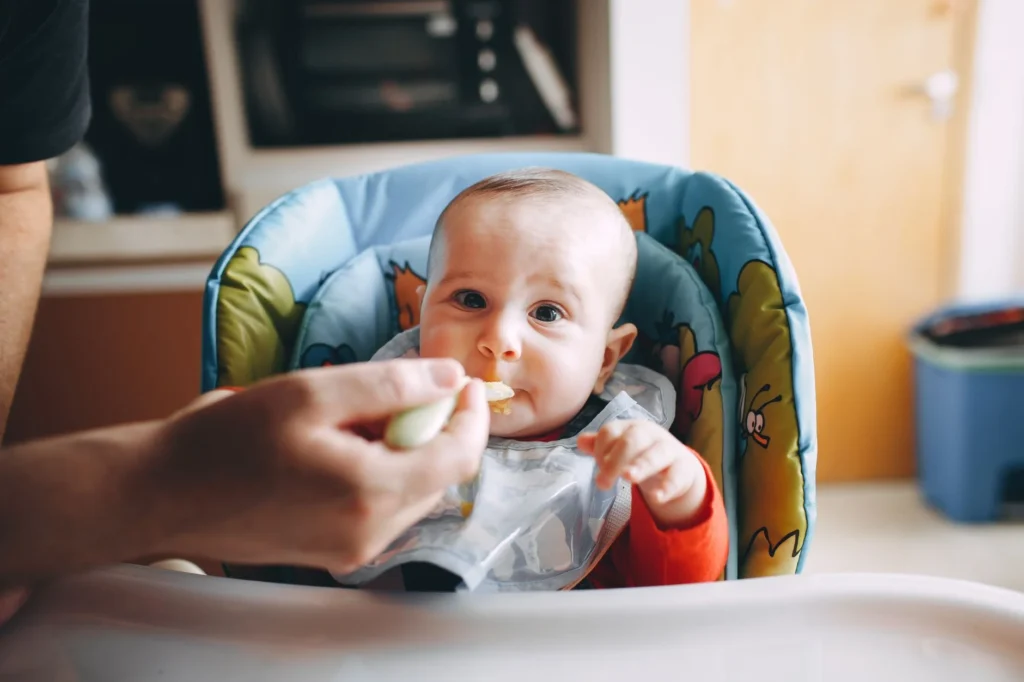
Starting solids is a big milestone! It’s an exciting time to introduce your little one to a world of flavors and textures. Whether you choose purees, finger foods, or a mix of both, the goal is to make mealtimes a positive, nutritious experience.
Who It Suits
This guide is for parents whose babies are generally showing signs of readiness for solid foods, typically around six months of age. These signs include good head and neck control, sitting up with little or no support, showing interest in food, and losing the tongue-thrust reflex. Always consult your pediatrician if you have questions about when to start solids.
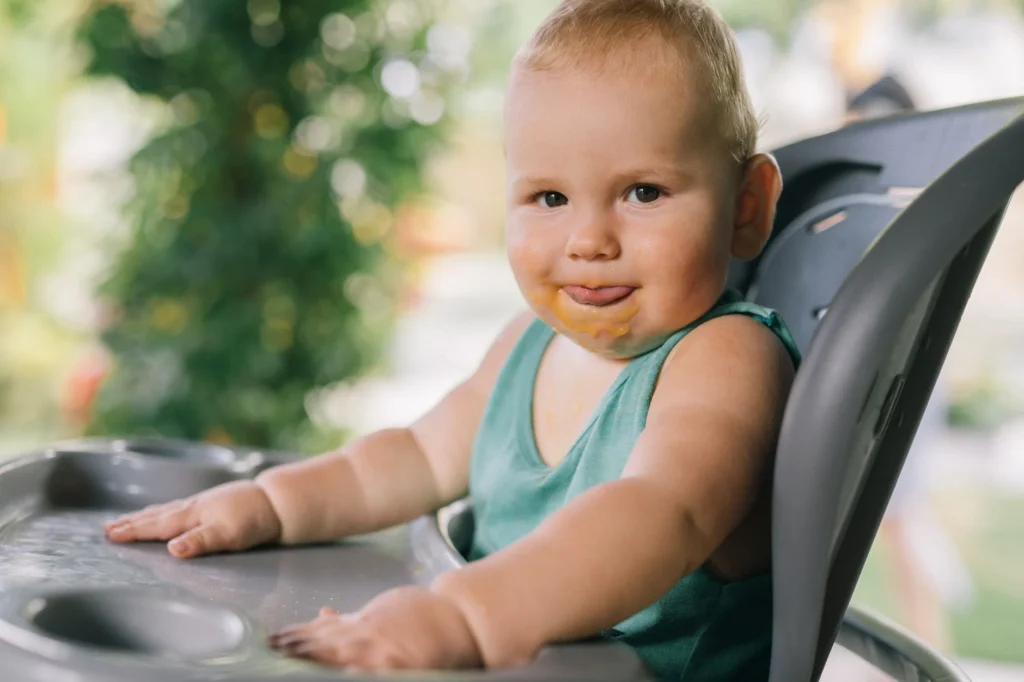
Simple Purees to Get Started
Purees are a classic first food, offering a smooth texture that’s easy for babies to swallow.
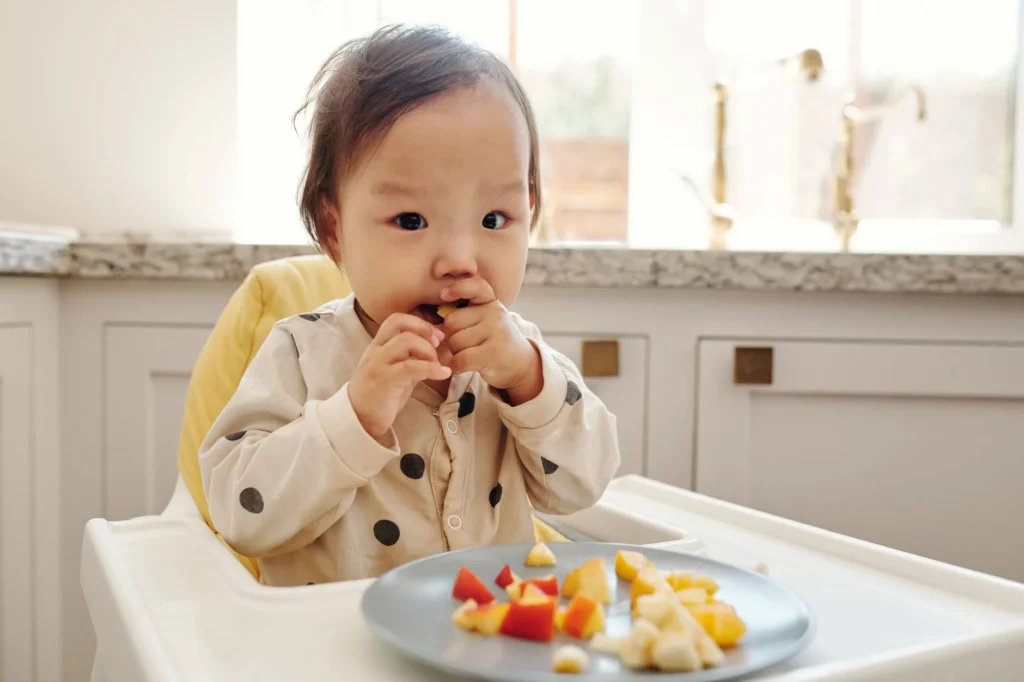
Ingredients for Basic Purees
- Soft fruits: Bananas, avocados, peaches, pears, cooked apples, cooked plums.
- Soft vegetables: Sweet potatoes, butternut squash, peas, carrots (all cooked until very soft).
Steps for Preparation
- Wash and Prepare: Thoroughly wash all fruits and vegetables. Peel if necessary (e.g., sweet potatoes, apples).
- Cook: Steam, boil, or roast harder vegetables and fruits until they are very tender. Bananas and avocados often don’t need cooking.
- Puree: Place cooked ingredients into a blender or food processor. Add a small amount of breast milk, formula, or water to achieve your desired consistency. Start thicker, then thin it out as your baby gets used to it.
- Cool: Allow the puree to cool completely before serving or storing.
First Finger Foods for Little Explorers
As your baby develops, offering soft, manageable finger foods helps build fine motor skills and independence. Aim for pieces that are soft enough to be mashed between your fingers.
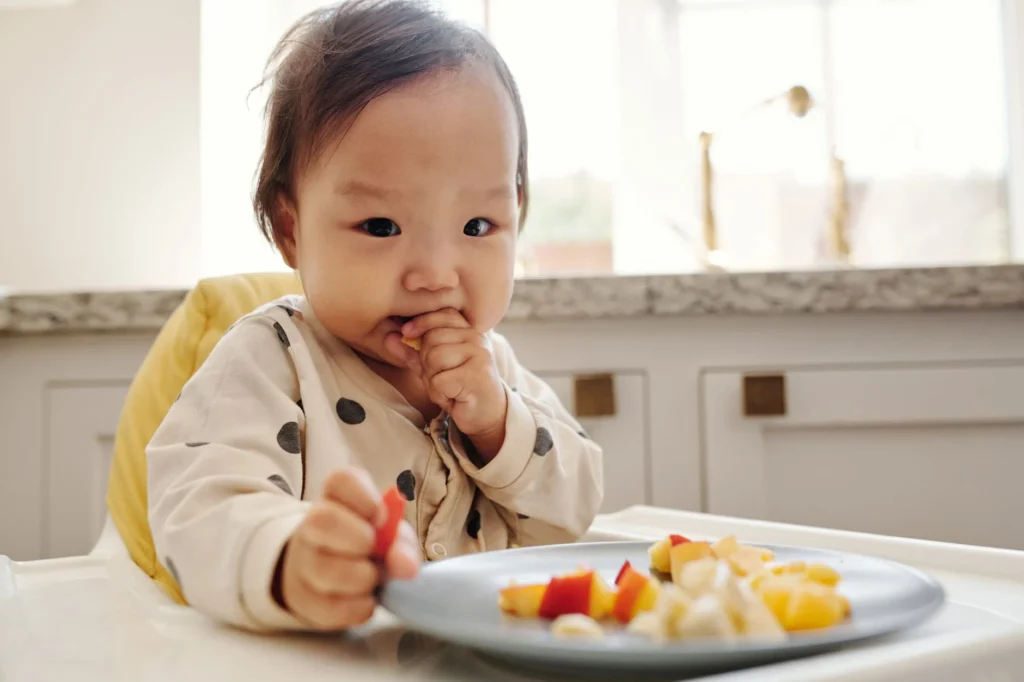
Suggested Finger Foods
- Soft-cooked vegetable sticks: Sweet potato fries (oven-baked, no salt), well-cooked carrot sticks, broccoli florets (steamed until very soft).
- Soft fruits: Ripe banana pieces, avocado slices, small pieces of ripe peach or pear.
- Grains: Soft-cooked pasta shapes, small pieces of toast (lightly toasted, no butter), baby cereal mixed thick.
- Proteins: Shredded chicken or turkey (tender, moist), soft-cooked lentils, small pieces of flaky salmon (ensure no bones).
Steps for Preparation
- Cook and Cut: Cook ingredients until very soft. Cut into appropriate sizes – typically finger-length strips or small, pea-sized pieces depending on your baby’s chewing ability and pincer grasp.
- Test Softness: Always test the food yourself to ensure it’s soft enough for your baby to gum or chew easily.
- Serve Safely: Offer a few pieces at a time to prevent overwhelming your baby. Always supervise closely.
Storage & Serving Tips
- Batch Prep: Make larger batches of purees and freeze them in ice cube trays. Once frozen, transfer cubes to freezer-safe bags.
- Freshness: Store purees and cooked finger foods in airtight containers in the refrigerator for up to 2-3 days.
- Serving Temperature: Always ensure food is a safe, lukewarm temperature before serving. Test it on your wrist.
Important Safety Notes
Introducing solids is an exciting time, but safety is paramount.
General Disclaimer: The information provided here is for general informational purposes only and is not intended as medical advice. Always consult with your pediatrician or a qualified healthcare professional regarding your baby’s specific dietary needs and any health concerns.
- No Honey Under One: Never give honey to babies under one year of age due to the risk of infant botulism.
- Skip Salt and Sugar: Avoid adding salt, sugar, or other seasonings to baby’s food, especially in the first year. Their kidneys are still developing, and added sugar offers no nutritional benefit.
- Allergy Awareness: When introducing new foods, offer one new ingredient at a time and wait a few days before introducing another new food. This helps you identify potential allergic reactions. Watch for signs like hives, swelling, vomiting, or difficulty breathing, and seek immediate medical attention if these occur.
- Choking Hazards: Always supervise your baby during mealtimes. Cut round foods like grapes, cherry tomatoes, and hot dogs lengthwise into quarters. Avoid hard, sticky, or chewy foods, whole nuts, popcorn, and large chunks of meat or cheese until your child is older and can chew thoroughly.
- When to Contact a Professional: If your baby consistently refuses food, shows signs of discomfort after eating, has frequent diarrhea or constipation related to solids, or you notice any worrying symptoms, it’s wise to contact your healthcare professional.
Images sourced from Pexels.