
A stroller isn’t just a way to get from here to there; it’s an essential piece of gear that helps you and your little one explore the world together. From quick trips to the grocery store to leisurely park strolls, the right stroller can make all the difference in your daily routine. Finding the perfect one means balancing comfort for your baby, convenience for you, and fitting it into your family’s unique lifestyle.
Who Needs a Baby Stroller?
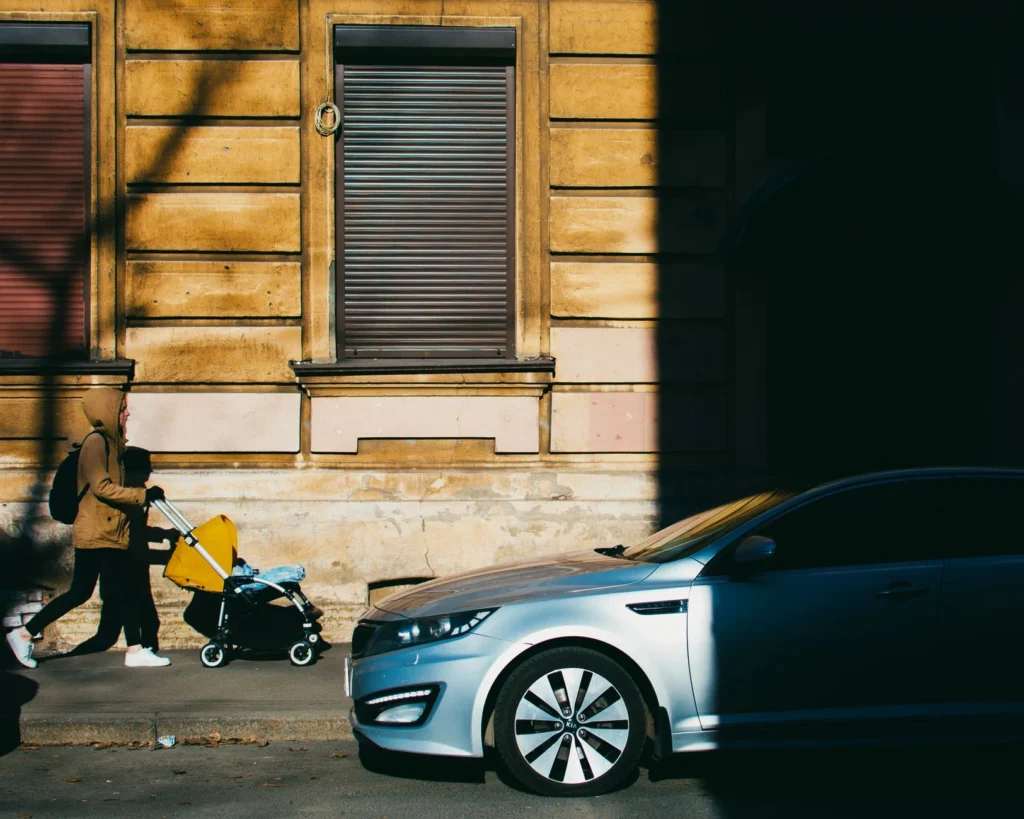
Whether you’re navigating bustling city streets, enjoying quiet suburban sidewalks, or tackling rugged park trails, there’s a stroller designed for almost every family and adventure. New parents often find a stroller indispensable for walks, errands, and outings, providing a safe and cozy spot for baby while keeping them close. Families with multiple children might opt for tandem or side-by-side models, ensuring everyone gets a ride. Active parents, on the other hand, might look for jogging strollers that can keep up with their pace. Essentially, if you plan to leave the house with your baby, a stroller will likely become a trusted companion.

Key Selection Criteria for Your Family’s Stroller
Choosing a stroller can feel overwhelming with so many options available. Thinking about these key areas will help narrow down the field and find the best fit for you.
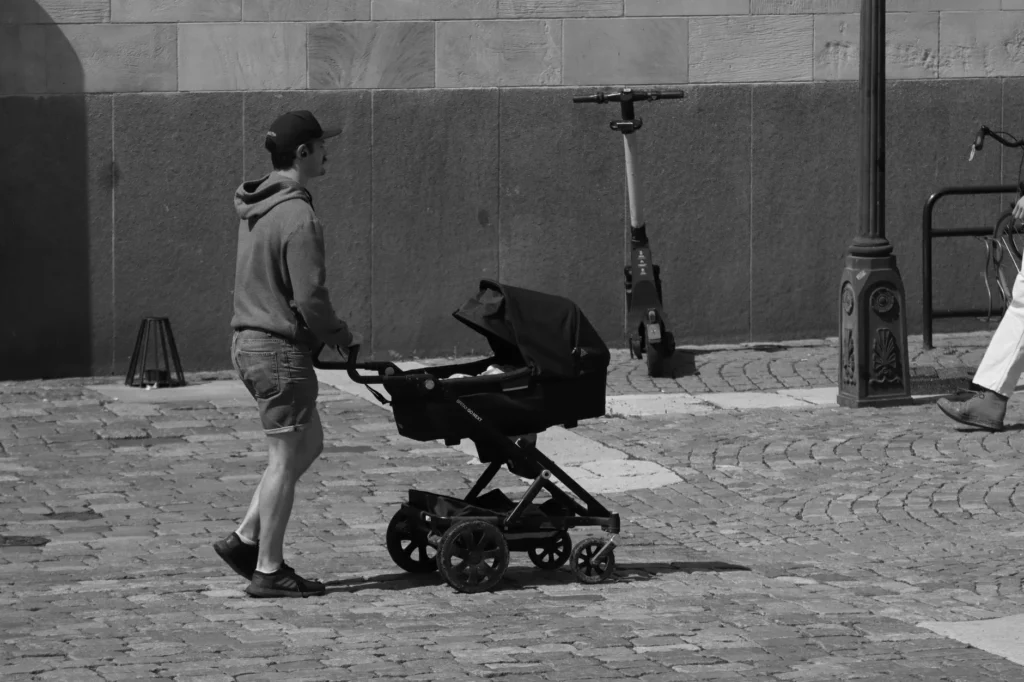
Lifestyle & Terrain
- City Living: If you’re often on public transport, navigating tight spaces, or storing your stroller in a small apartment, look for lightweight, compact models that are easy to fold and maneuver.
- Suburban Walks: A versatile everyday stroller with good suspension and storage is ideal for neighborhood strolls, park visits, and trips to the mall.
- Active & Outdoor: For parents who love jogging or exploring nature trails, an all-terrain or jogging stroller with robust wheels and superior suspension is a must. These are built to handle uneven surfaces.
- Travel: If you frequently fly or take road trips, consider a travel stroller that folds down very small, sometimes even fitting in an overhead bin.
Age & Stage of Baby
- Newborns: Infants need to lie flat to support their developing spine. Many strollers offer a full recline, bassinet attachment, or car seat compatibility for newborns. Ensure the stroller explicitly states it’s suitable from birth.
- Infants & Toddlers: Once your baby has good head control (typically around 6 months), they can sit more upright. Most standard strollers cater to this age group, offering adjustable recline positions.
- Growing Toddlers: Look for higher weight limits and adjustable footrests to accommodate taller children.
Features & Functionality
- Fold: How easy is it to fold and unfold? Can you do it with one hand? Does it stand upright when folded?
- Weight & Size: Consider how much you’ll be lifting it into a car trunk or carrying it up stairs.
- Storage: A generous under-seat basket is invaluable for diaper bags, groceries, and toys. Parent consoles with cup holders are a nice bonus.
- Handlebar: An adjustable handlebar ensures comfortable pushing for parents of different heights.
- Wheels & Suspension: Larger, air-filled tires offer a smoother ride, especially on bumpy terrain. Good suspension absorbs shocks.
- Canopy: A large, extendable canopy with UPF protection and perhaps a peek-a-boo window offers great sun and weather protection.
- Recline: Multiple recline positions, including a near-flat option, are crucial for naps on the go.
- Harness: A five-point harness is the safest option, keeping your child securely in place.
Safety Standards & Features
Always prioritize safety. Check that the stroller meets current safety standards. Look for a strong, stable frame, reliable brakes, and a secure harness system. Avoid any strollers with sharp edges or pinch points.
Budget Considerations
Stroller prices vary widely. While it’s tempting to go for the cheapest option, remember that a stroller is an investment. Consider its durability, potential for longevity, and whether it can grow with your family. Sometimes spending a bit more upfront saves money in the long run if you avoid needing a replacement.
Essential Stroller Safety Checklist
Before every outing, a quick check can help ensure your baby’s ride is safe and smooth. This is general information only; it is not medical advice. For specific concerns about your child’s health or safety, please consult a healthcare professional.
- Harness: Always use the five-point harness, ensuring it’s snug but comfortable, with straps over the shoulders and hips.
- Brakes: Engage the brakes every time you stop, even for a moment. Test them to make sure they hold securely.
- Frame & Latches: Ensure the stroller is fully open and all locking mechanisms are securely engaged before placing your baby inside.
- Wheels & Tires: Check that tires are properly inflated (if applicable) and wheels are spinning freely without wobbling.
- Weight Limits: Never exceed the manufacturer’s recommended weight limit for the seat or the storage basket.
- Finger Traps: Be mindful of moving parts where little fingers could get pinched, especially during folding or unfolding.
- Stability: Avoid hanging heavy bags on the handlebar, as this can make the stroller unstable and cause it to tip over.
Caring for Your Stroller
A little routine maintenance can extend the life of your stroller and keep it looking great. Spot clean fabric with mild soap and water as needed. For bigger messes, many stroller fabrics are removable and machine washable (always check manufacturer instructions first). Wipe down the frame with a damp cloth. Keep wheels free of dirt and debris, and occasionally lubricate moving parts with a silicone-based spray if they start to squeak. Store your stroller in a dry place to prevent rust and mildew.
Frequently Asked Questions About Strollers
When do I need a stroller?
Many parents use a stroller from day one, often with a compatible infant car seat or a bassinet attachment. For babies who can sit unassisted, around 6 months, a regular stroller seat is suitable.
Can I use a travel system from birth?
Yes, many travel systems include an infant car seat that clicks directly onto the stroller frame, making them suitable for newborns and convenient for parents on the go.
How long do babies use strollers?
Most children can comfortably use a stroller until they are around three to four years old, depending on their size, weight, and willingness to walk. Many strollers have a weight capacity up to 50-60 pounds.
Images sourced from Pexels.