
What Changes Now?
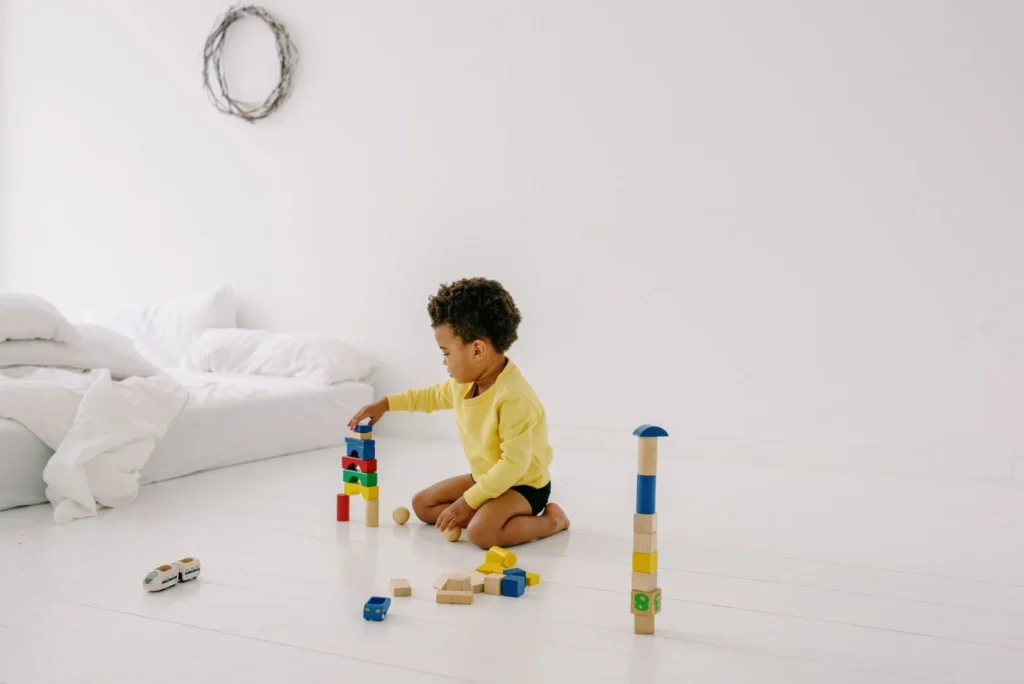
Life with an 18-month-old is a whirlwind of discovery! Your little one is rapidly developing, exploring their world with newfound independence and curiosity. This period is marked by significant growth in physical abilities, cognitive understanding, and social-emotional expression.
Physical Milestones
At this age, many toddlers are confidently walking, running with a wobbly gait, and even starting to climb on furniture or playground structures. Fine motor skills are also progressing. You might notice them turning pages in a board book, stacking a few blocks, or trying to use a spoon at mealtimes. They love to point at objects they want or find interesting.

Cognitive Development
Your toddler’s brain is like a sponge, soaking up everything. They are likely following simple directions, especially if paired with gestures. Pointing to body parts, understanding familiar words, and imitating actions they see others do are common. Simple problem-solving, like figuring out how a shape fits into a sorter, becomes more apparent.

Social and Emotional Growth
Independence is a big theme now, often expressed with a firm “no!” or trying to do things by themselves. Temper tantrums can also emerge as they test boundaries and express frustration with their limited communication skills. Despite this, they also show great affection, offer hugs, and enjoy playing alongside other children, even if they aren’t quite ready for cooperative play yet. Separation anxiety can still be present, especially in new situations.
Sleep
Most toddlers this age still need around 13-14 hours of sleep over a 24-hour period. This usually includes one daytime nap, typically lasting one to three hours, and 10-12 hours of night sleep.
Common Sleep Challenges
Sleep can sometimes feel like a moving target. Many parents report sleep regressions around this age, often due to developmental leaps, teething, or changes in routine. Separation anxiety might make bedtime a struggle, as your little one prefers to stay near you. Naps can also become more resistant as they test boundaries and their desire for independence grows.
Encouraging Good Sleep Habits
Consistency is key for establishing healthy sleep. Stick to a predictable bedtime routine – a warm bath, storytime, and a quiet song can signal that it’s time to wind down. Ensure their sleep environment is dark, quiet, and comfortable. A beloved stuffed animal or blanket can provide comfort, helping them feel secure as they drift off to sleep.
Feeding
Your 18-month-old is likely enjoying a wide variety of foods and is becoming more adept at self-feeding. They’re probably eager to use their own spoon or fork, even if most of the food still ends up on their face or the floor!
Mealtime Adventures
This is a great time to continue offering a diverse range of healthy foods. Encourage them to try different textures and flavors. Finger foods are still a hit, and they can manage small pieces of cooked vegetables, fruits, whole-grain pasta, and lean proteins. Remember, picky eating is very common now. Keep offering a variety without pressure, and try to make mealtime a positive, relaxed experience.
Important Feeding Notes
Always supervise your child during meals to prevent choking. Continue to avoid adding extra salt or sugar to your toddler’s food. While they are past the age restriction, remember that honey should never be given to babies under one to prevent infant botulism. When introducing new foods, especially those that might be common allergens, offer them one at a time and observe for any reactions over a few days.
Play & Development
Play is how your toddler learns about the world. It’s a crucial part of their development, helping them build skills in every area, from communication to problem-solving.
Encouraging Language Skills
At this age, many toddlers are saying 10-20 or even more words, and some are starting to combine two words into simple phrases like “more juice” or “daddy up.” Their receptive language (what they understand) is usually far ahead of their expressive language (what they can say). Talk to your child constantly about what you’re doing and seeing. Read books together, point to pictures, and ask simple questions. Sing songs and nursery rhymes; repetition is wonderful for language acquisition.
Fun Activities for Learning
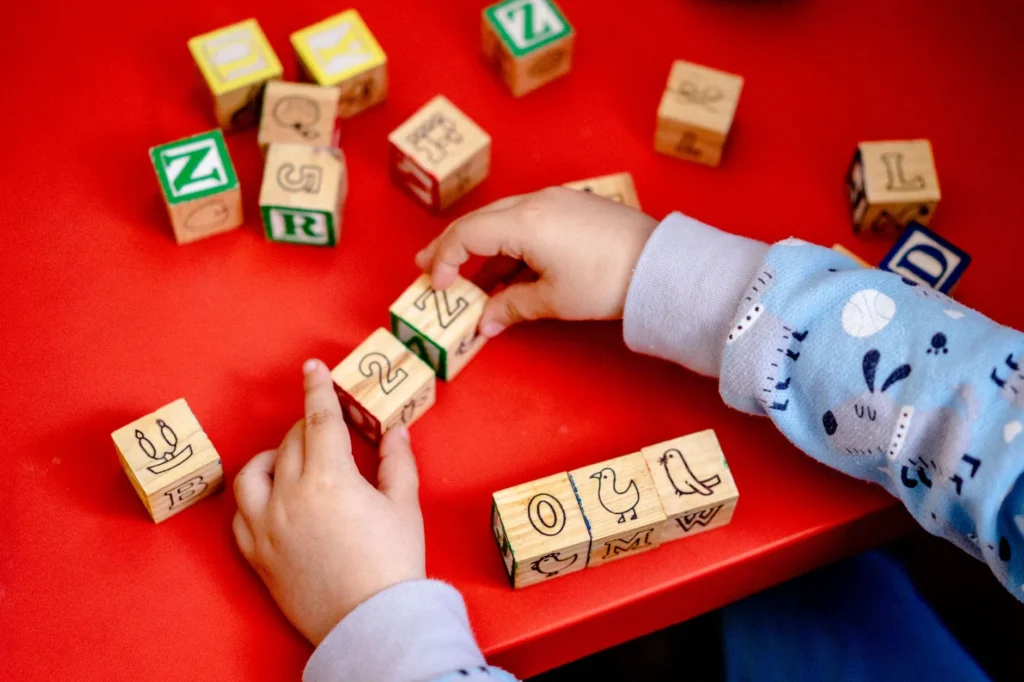
- Building Blocks: Stacking, knocking down, and sorting blocks helps with fine motor skills and spatial reasoning.
- Pretend Play: Simple pretend play, like feeding a doll or talking on a toy phone, is emerging.
- Sensory Bins: Fill a bin with safe items like dried pasta, rice, or water and add scoops, cups, and small toys for exploring textures.
- Outdoor Exploration: Trips to the park, playing with balls, or simply exploring the backyard are great for gross motor skills and sensory input.
- Reading: Continue to make reading a daily ritual. Point to pictures and name objects.
Practical Tips for Parents
Parenting an 18-month-old can be incredibly rewarding, but it also comes with unique challenges. Here are a few pointers to help navigate this vibrant stage.
Temper tantrums are a normal part of toddler development. They often stem from frustration because your child can’t communicate their needs or control their environment. When a tantrum strikes, try to stay calm. Acknowledge their feelings, offer comfort, or distract them if appropriate. Setting consistent boundaries and routines can help reduce some tantrum triggers.
Safety First
With their newfound mobility and curiosity, childproofing your home is more important than ever. Ensure gates are secure, cabinets are locked, and dangerous items are out of reach. Constant supervision is vital, especially when your toddler is exploring new environments.
Frequently Asked Questions
Is it normal for my toddler to have tantrums?
Absolutely, yes! Tantrums are a very normal and common part of toddler development. They are often a sign of your child trying to assert their independence while also dealing with big feelings and limited communication skills. It’s a phase that, with patience and consistent responses, they will grow through.
What if my 18-month-old isn’t talking much?
There’s a wide range of normal when it comes to speech development. Some toddlers are chatting away, while others are quieter. If your 18-month-old isn’t using at least a few single words, isn’t pointing to communicate, or doesn’t seem to respond to their name, it’s a good idea to chat with your pediatrician. Early intervention can be very helpful if there are any concerns.
Important Health Information
The information provided here is for general knowledge and informational purposes only, and does not constitute medical advice. It is essential to consult with a qualified healthcare professional, such as your pediatrician, for any health concerns or before making any decisions related to your child’s health or treatment. If you notice any significant developmental delays, regressions in skills, or have concerns about your child’s overall well-being, please contact your healthcare provider immediately.
Images sourced from Pexels.