
Is Your 12-Week-Old Having a Growth Spurt?

Around three months of age, many babies hit another significant growth spurt. These periods of rapid growth and development can bring noticeable changes in your little one’s behavior and needs. Understanding what to expect can help you navigate these intense but temporary phases.
It’s important to remember that every baby is unique, and while common patterns exist, your baby’s experience might vary slightly. Think of these spurts as your baby’s way of leveling up!

What Changes Now?
During a growth spurt, your 12-week-old might seem like a different baby overnight. You might observe:

- Increased Hunger: Your baby may suddenly seem insatiably hungry, wanting to feed much more frequently or for longer durations. This is their body requesting more fuel for rapid growth.
- Sleep Changes: Some babies might sleep more, needing extra rest to process their growth and development. Others might become more restless sleepers, waking more often, or have shorter naps, especially if hunger is a factor.
- Fussiness and Irritability: It’s common for babies to be a bit more cranky, clingy, or fussy during a growth spurt. They’re working hard internally, which can make them uncomfortable or overtired.
- New Skills Emerging: Often, after a growth spurt, you might notice new developmental milestones appearing. They might suddenly perfect rolling over, have stronger head control, or become more vocal.
Sleep During a Growth Spurt
Sleep can be one of the most unpredictable aspects during this time. Your baby might have a few days of extra long naps and nighttime sleep, almost like they’re ‘powering up.’ Alternatively, the increased hunger or discomfort from growing pains (though not medically proven, some parents describe it this way) can lead to more frequent night wakings or difficulty settling down for naps.
The best approach is often to follow your baby’s cues. If they seem tired, offer them a chance to rest. If they wake hungry, offer a feed.
Feeding Your Growing Baby
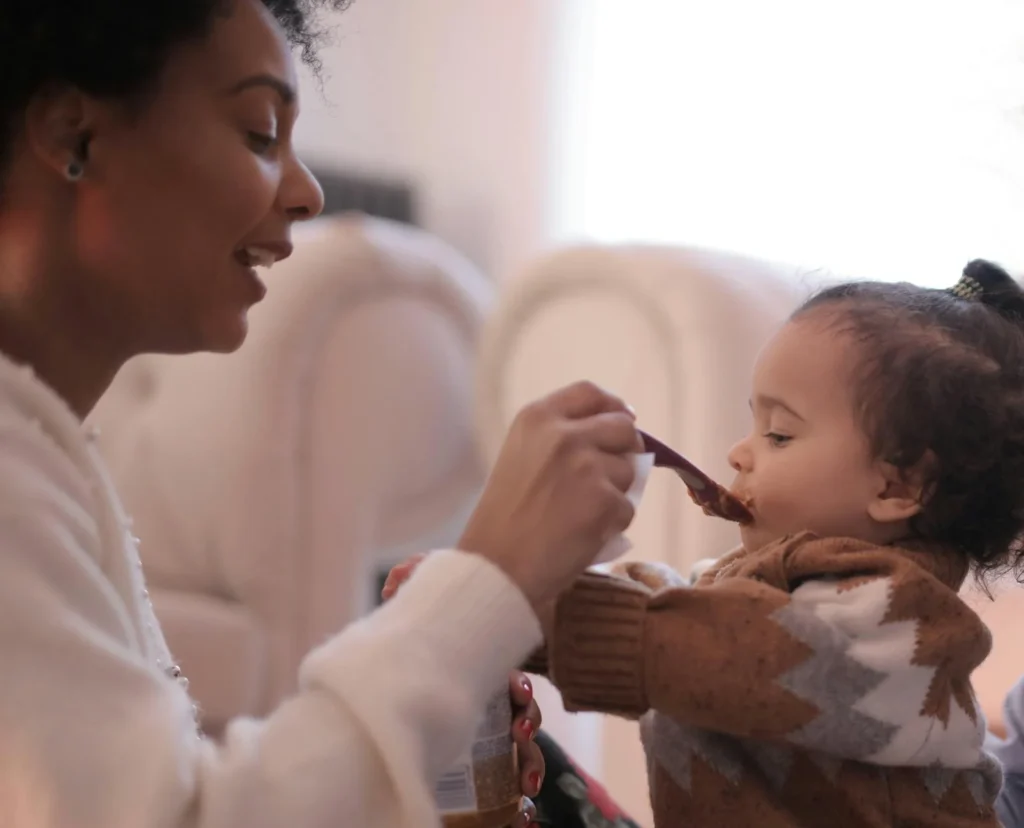
You might feel like you’re constantly feeding your baby during a growth spurt, and that’s perfectly normal. Whether you’re breastfeeding or formula-feeding, your baby will likely want more. Breastfed babies might nurse more frequently, sometimes every hour or two. This increased demand helps boost your milk supply to meet their growing needs. Formula-fed babies might finish bottles more quickly or show signs of wanting more ounces than usual.
Always feed on demand during these times. Your baby knows what they need.
Play & Development
The 12-week mark is often a time of exciting developmental leaps. Alongside the physical growth, you might notice your baby:
- Becoming more socially responsive, smiling and cooing more intentionally.
- Having better head control and pushing up higher during tummy time.
- Reaching for and swatting at toys.
- Bringing hands to mouth more often.
- Following objects with their eyes more smoothly.
These cognitive and motor developments often coincide with or immediately follow a physical growth spurt, as their brain is also rapidly developing.
Practical Tips for Parents
- Follow Your Baby’s Cues: This is key during a growth spurt. Offer feeds when they show hunger signs and comfort them when they’re fussy.
- Prioritize Rest: Rest when your baby rests, even if it’s just for 20 minutes. These periods can be exhausting for parents too.
- Seek Support: Don’t hesitate to ask your partner, family, or friends for help. A little break can make a big difference.
- Skin-to-Skin Contact: This can be incredibly comforting for a fussy baby and can also help with milk supply for breastfeeding parents.
- Be Patient: Remember that growth spurts are temporary phases. Your baby will eventually settle back into their usual patterns.
Important Health Disclaimer
The information provided here is for general knowledge and informational purposes only, and does not constitute medical advice. It is essential to consult with a qualified healthcare professional for any health concerns or before making any decisions related to your child’s health or care.
When to Talk to a Professional
While increased fussiness and changes in feeding/sleep are common during growth spurts, always contact your pediatrician if you notice any signs of illness, such as a fever, significantly decreased wet diapers, extreme lethargy, or if you are concerned about your baby’s overall well-being. They can provide personalized advice and ensure everything is progressing as it should.
Frequently Asked Questions
- How long does a 12-week growth spurt last?
- Typically, a growth spurt can last a few days to about a week. You might notice the intensity of symptoms ebb and flow during this period.
- Can a growth spurt affect my baby’s sleep schedule long-term?
- Usually, once the growth spurt passes, babies tend to return to their previous sleep patterns. However, sometimes new sleep habits (like an extra night feeding) might briefly stick around if not gently adjusted.
Note: Totals vary by provider, region, and part quality.
Images sourced from Pexels.