
Starting Solids: A New Adventure!
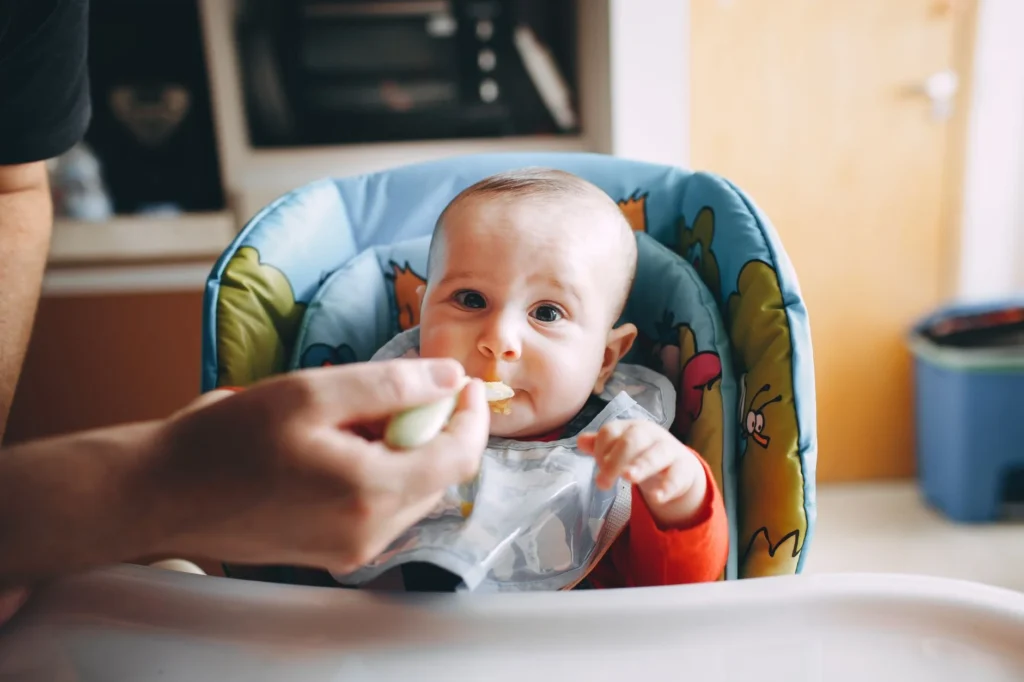
Introducing your little one to solid foods is a milestone moment! It’s a journey of new tastes and textures, and making your own baby food can be a wonderfully simple and rewarding experience. You control the ingredients, ensuring your baby gets pure, wholesome goodness without any additives.
Who it Suits: Signs Your Baby is Ready
Typically, babies are ready for solids around 6 months of age, but readiness is more about developmental cues than a strict timeline. Look for these signs:
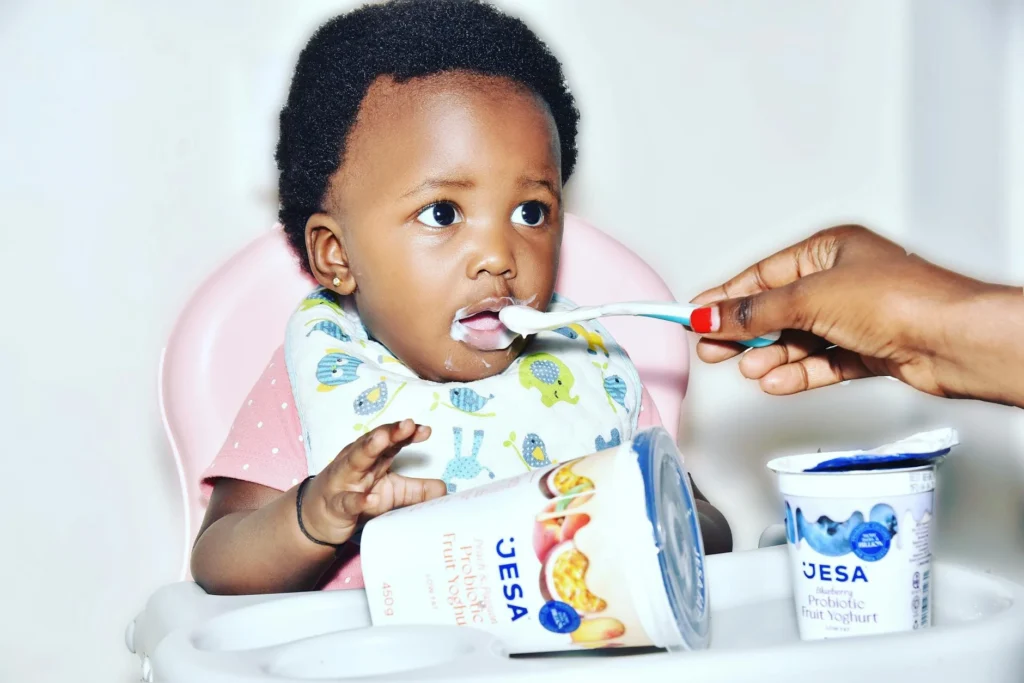
- Good head and neck control, able to sit upright with support.
- Loss of the tongue-thrust reflex (which pushes food out of the mouth).
- Showing interest in food, watching you eat, or reaching for your plate.
- Opening their mouth when food is offered.
Disclaimer: This information is for general guidance only and is not a substitute for professional medical advice. Always consult with your pediatrician before introducing solids or if you have any concerns about your baby’s health or feeding.
Simple Ingredients for Happy Bellies
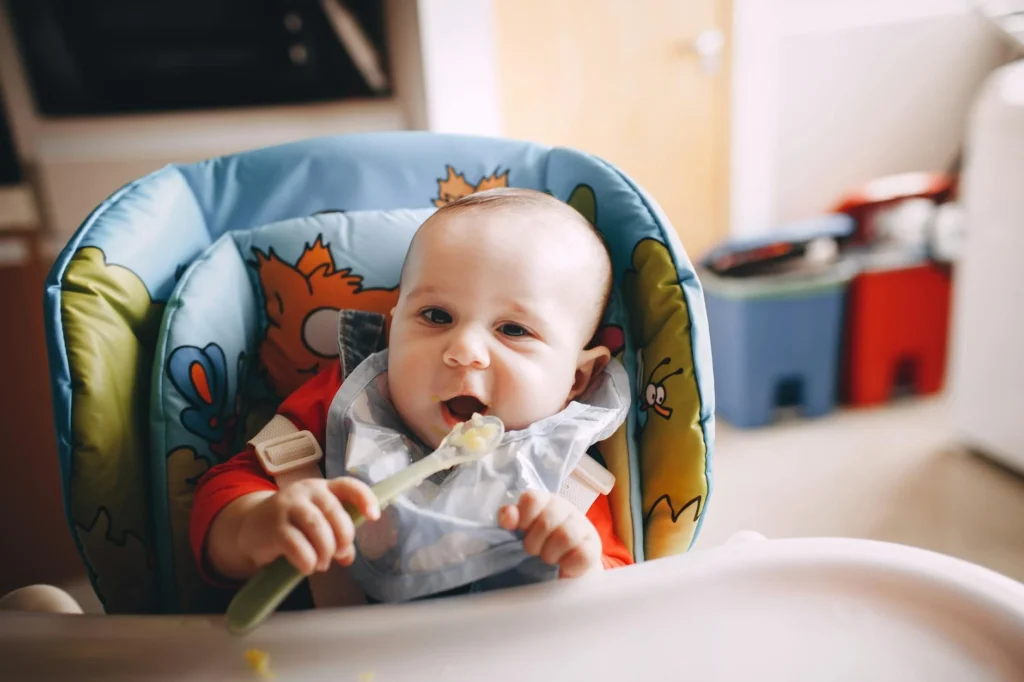
When starting, focus on single-ingredient purees. Choose fresh, ripe fruits and vegetables. Organic options can be great, but well-washed conventional produce works perfectly too. Remember, no added salt or sugar!
Easy First Food Recipes
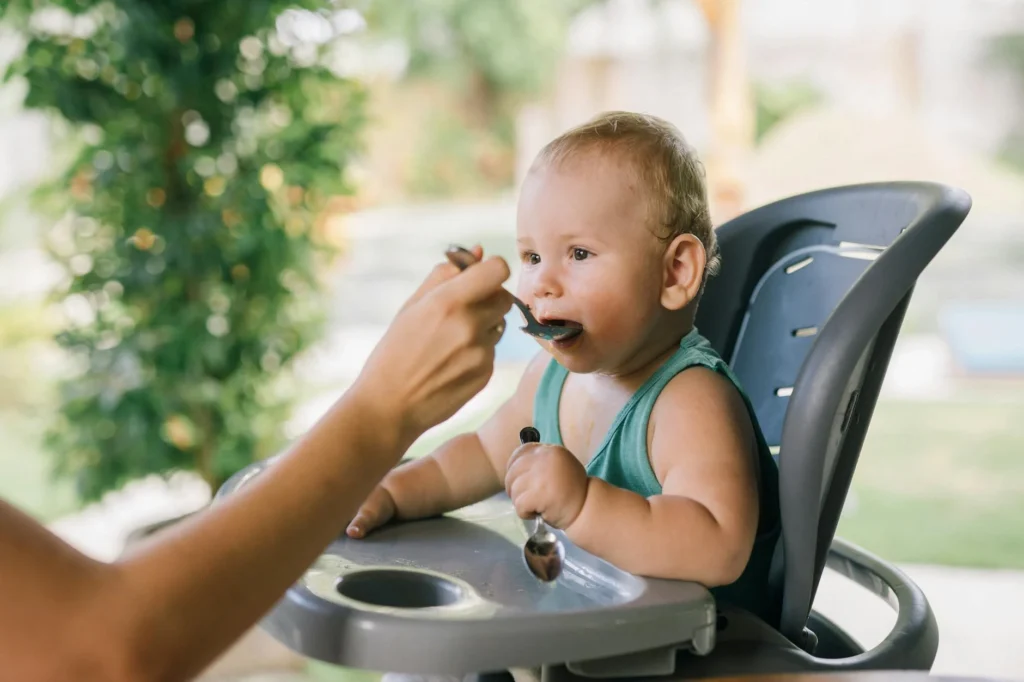
Here are a few gentle ideas to kick off your baby’s culinary journey:
1. Silky Sweet Potato Puree
Sweet potatoes are packed with vitamins and have a naturally sweet flavor most babies love.
- Ingredients: 1 medium sweet potato.
- Steps:
- Wash and peel the sweet potato. Cut into small, even cubes.
- Steam the cubes until very tender (about 15-20 minutes). You should be able to easily mash them with a fork.
- Transfer the cooked sweet potato to a blender or food processor. Add a small amount of breast milk, formula, or water to achieve a smooth, thin consistency.
- Blend until completely smooth, adding more liquid as needed.
2. Gentle Pear Puree
Pears are a naturally soft fruit and often well-tolerated as a first food.
- Ingredients: 1 ripe pear (e.g., Bartlett or Comice).
- Steps:
- Wash, peel, and core the pear. Cut into small pieces.
- Steam the pear pieces until very soft (5-10 minutes).
- Blend with a little breast milk, formula, or water until velvety smooth.
3. Creamy Avocado Puree (No Cooking Required!)
Avocado is a fantastic source of healthy fats and requires no cooking – perfect for busy parents!
- Ingredients: 1 ripe avocado.
- Steps:
- Wash the avocado. Cut it in half, remove the pit, and scoop out the flesh.
- Mash thoroughly with a fork, or blend with a tiny bit of breast milk, formula, or water for an extra smooth consistency.
4. Smooth Green Pea Puree
Peas offer a mild flavor and are a good source of vitamins.
- Ingredients: 1 cup frozen peas.
- Steps:
- Steam or boil the peas until very tender (3-5 minutes).
- Drain well and transfer to a blender or food processor. Add a splash of breast milk, formula, or water.
- Blend until completely smooth, pushing through a fine-mesh sieve if desired to remove any tiny skins for an even smoother puree.
Storage & Serving Tips
- Fresh: Purees can be stored in an airtight container in the refrigerator for up to 2-3 days.
- Freezing: For longer storage, freeze purees in ice cube trays. Once frozen solid, transfer the cubes to freezer-safe bags. They can last up to 1-2 months.
- Thawing & Warming: Thaw frozen cubes in the refrigerator overnight or gently warm small portions in a bowl set over warm water. Always test the temperature before serving – it should be lukewarm, not hot.
- Serving: Start with just 1-2 teaspoons and gradually increase as your baby gets used to it.
Important Safety Notes for Baby Food
- No Honey for Infants: Never give honey to babies under the age of one. It can contain spores that cause infant botulism, a serious illness.
- Skip the Salt and Sugar: Babies’ kidneys aren’t fully developed to handle excess salt, and sugar offers no nutritional benefit while potentially encouraging a preference for sweet tastes.
- Allergy Introduction: Introduce new foods one at a time, waiting 3-5 days between each new food. This makes it easier to identify any potential allergic reactions. Always be vigilant for signs of an allergic reaction (hives, swelling, difficulty breathing) and seek immediate medical attention if they occur.
- Choking Hazards: Ensure all first foods are pureed to a very smooth, thin consistency. As your baby develops, you can gradually introduce thicker textures.
- When to Contact a Professional: If your baby experiences persistent digestive issues, severe allergic reactions, or struggles with feeding, it’s always best to consult with your pediatrician or a healthcare professional.
Note: Totals vary by provider, region, and part quality.
Images sourced from Pexels.