
In our busy world, moments of calm are precious, especially for little ones. A ‘quiet play box’ offers a wonderful opportunity for babies and toddlers to explore, learn, and engage without overstimulation. It’s not about silence, but about fostering focused, independent play with simple, open-ended materials.
What is a Quiet Play Box?
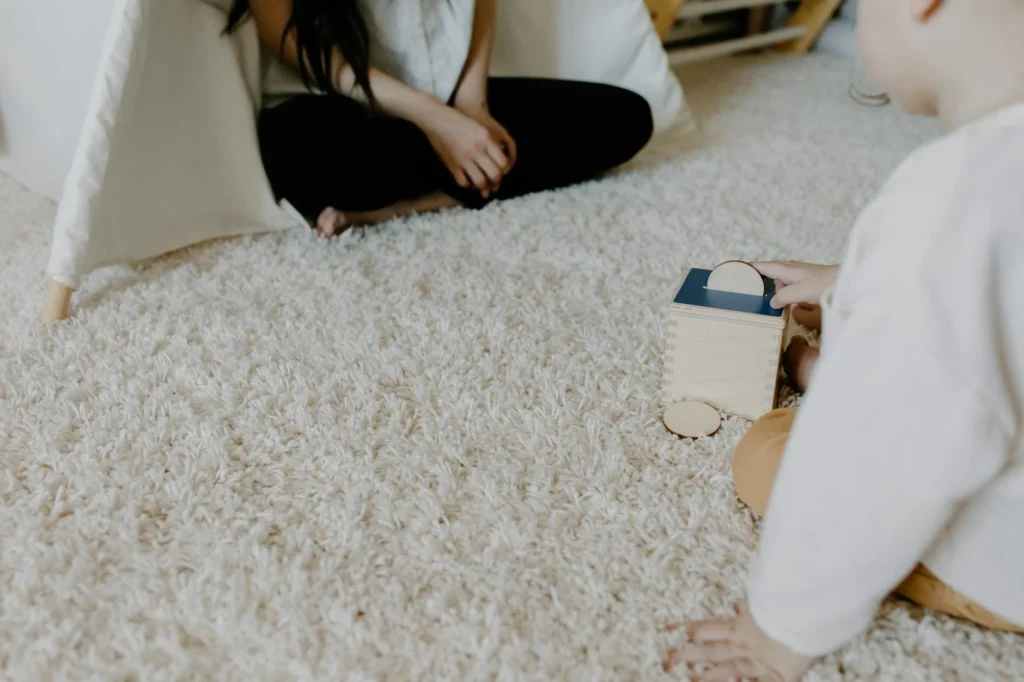
Think of it as a curated treasure chest of low-stimulation items designed to encourage natural curiosity and exploration. Instead of flashing lights and loud sounds, a quiet play box features materials that invite touch, sorting, stacking, and imaginative engagement. It’s a space where a child can discover at their own pace, fostering concentration and a sense of calm.
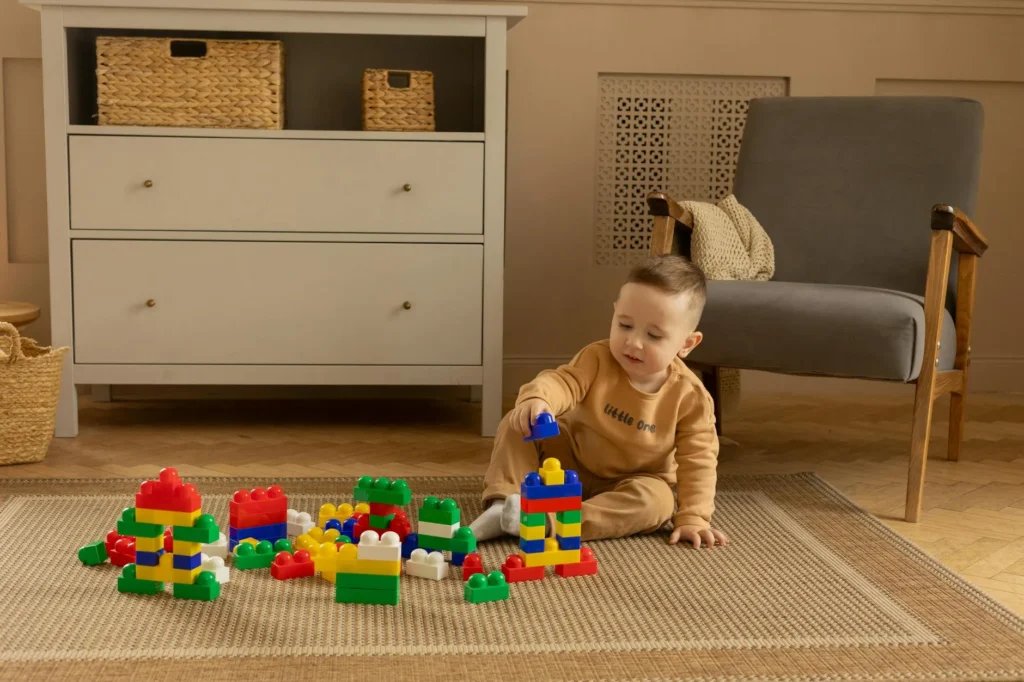
Benefits for Your Child’s Development
Engaging with a quiet play box offers a surprising array of developmental advantages:
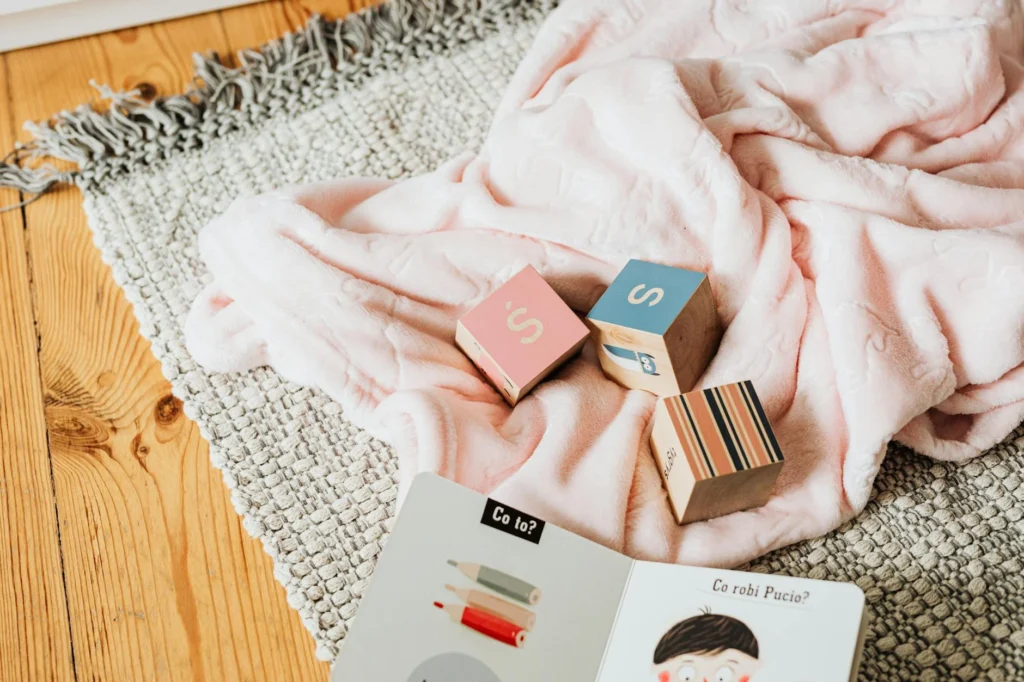
- Enhanced Focus and Concentration: Without constant sensory input, children learn to concentrate on the task at hand, whether it’s stacking rings or feeling different textures.
- Fine Motor Skill Development: Picking up small objects, manipulating fabrics, and fitting pieces together are excellent exercises for tiny hands and fingers.
- Problem-Solving Skills: Simple challenges, like sorting objects by color or shape, encourage early critical thinking.
- Sensory Exploration: A variety of textures, weights, and shapes can stimulate a child’s senses in a gentle, non-overwhelming way.
- Independent Play: It empowers children to play by themselves, building self-reliance and confidence.
- Emotional Regulation: For some children, quiet play can be a wonderful tool for self-soothing and winding down during transitions or before naps.
How to Build Your Own Quiet Play Box
Creating a quiet play box is simpler than you might think. The key is thoughtfulness in selection and prioritizing safety.
1. Choose Your Container
Any sturdy, easily accessible container works. A shoebox, a small fabric basket, a wooden crate, or even a deep tray can serve as your ‘box.’ The size should be manageable for your child to reach into.
2. Select Age-Appropriate Items
This is where creativity comes in! Focus on items that offer different textures, shapes, and weights. Always keep your child’s age and developmental stage in mind to ensure safety and engagement. Supervision is always essential, especially with younger babies.
- Fabric Fun: Silk scarves, velvet remnants, crinkly fabric squares, soft washcloths, or strips of different patterned fabrics.
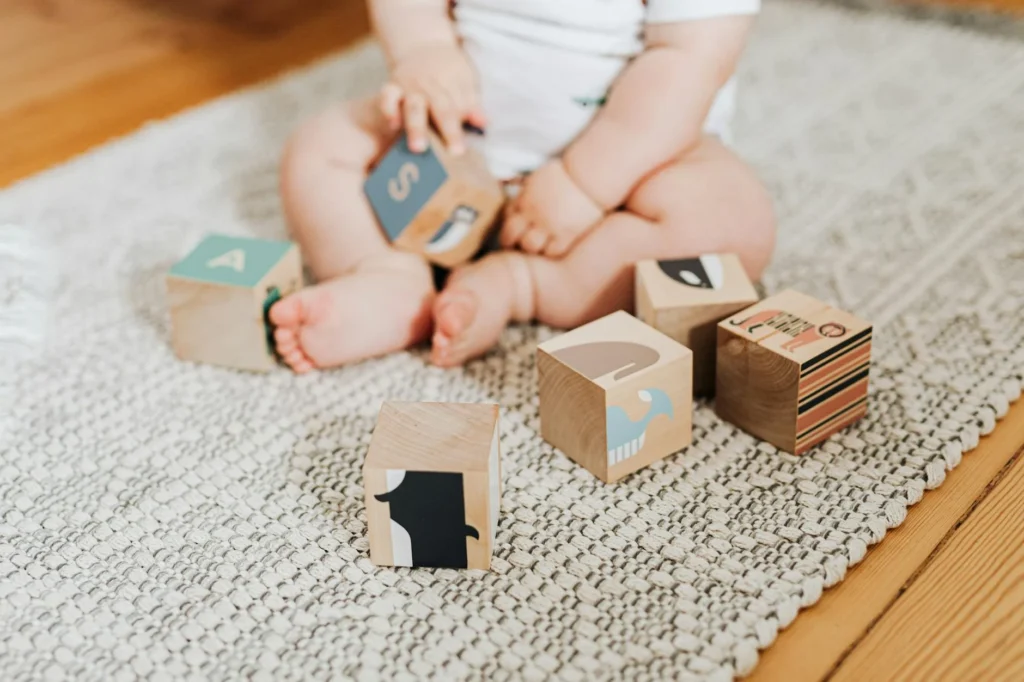
- Wooden Wonders: Smooth wooden blocks, nesting cups, simple wooden rings, or large wooden beads (for older toddlers and always with supervision due to choking risk).
- Natural Treasures: Smooth, large pebbles (ensure they’re too big to be a choking hazard), pinecones (cleaned and smooth), large seashells.
- Household Helpers: Whisks, soft brushes, empty spice jars with different objects inside (sealed tightly!), measuring cups and spoons.
- Sorting & Stacking: Large buttons (sewn onto fabric squares for younger children), pompoms (large size), small, sturdy bowls or cups for nesting.
- Sensory Extras: Child-safe mirror (acrylic or shatterproof), small textured balls, rattles.
3. Rotate Regularly
To keep the box fresh and exciting, introduce new items and remove old ones every week or two. This maintains novelty and prevents boredom without needing a huge collection of toys.
Safety First: Important Considerations
Always prioritize safety when assembling your quiet play box:
- Choking Hazards: The most crucial rule! Any item small enough to fit through a toilet paper roll is generally considered a choking hazard for children under three. Err on the side of caution.
- Supervision: A quiet play box is not a substitute for supervision. Always be present and engaged while your child plays.
- Durability: Choose sturdy items that won’t easily break into small pieces.
- Cleanliness: Regularly clean items, especially if they go into your child’s mouth.
- Regular Checks: Periodically inspect all items for wear, tear, or damage. Discard anything that could become unsafe.
When to Talk to a Professional
This information is for general guidance only and is not a substitute for professional medical advice. If you have concerns about your child’s development, their play habits, engagement with objects, or overall well-being, it’s always best to consult with a healthcare professional or pediatrician. They can provide personalized advice and support based on your child’s individual needs.
Building a quiet play box is a simple, yet profound, way to support your child’s development and introduce them to the joy of focused, independent play. Give it a try and watch their curiosity blossom!
Note: Totals vary by provider, region, and part quality.
Images sourced from Pexels.