
Why Routines Shine for Your Toddler
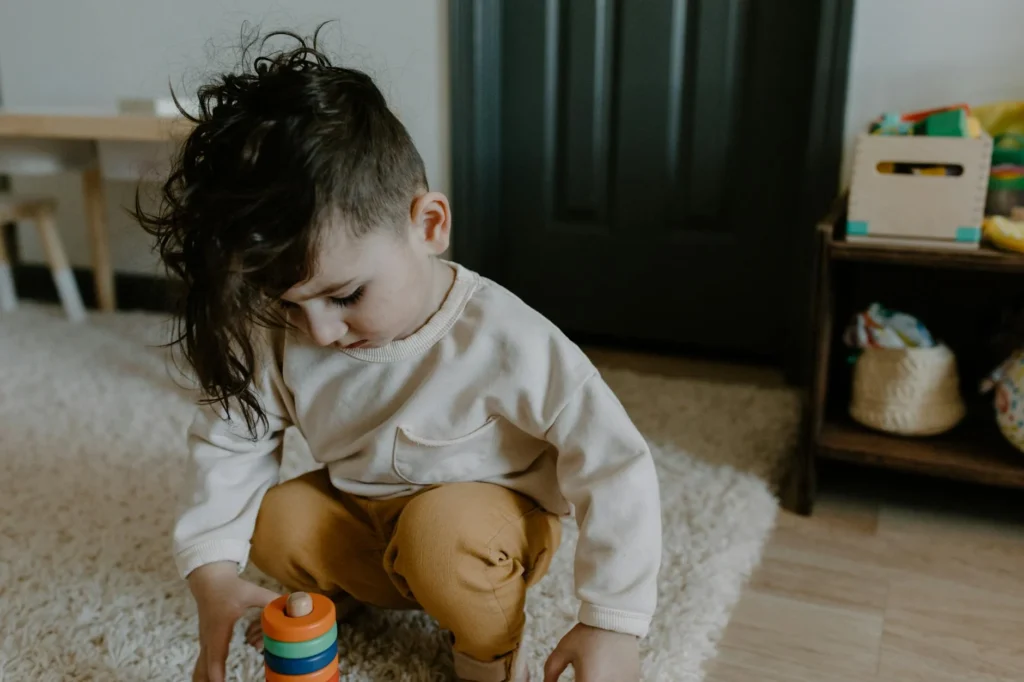
As your little one approaches their third birthday, they’re undergoing incredible growth. This is a time of burgeoning independence, expanding language, and a growing desire to understand the world around them. Establishing clear, consistent routines at home can be a superpower for both you and your 36-month-old. Predictability helps toddlers feel secure, reduces anxiety, and can even minimize those classic power struggles, giving them a sense of control within a structured day.
What’s Happening Around This Age?
At three, toddlers are becoming more capable with self-help skills like dressing, feeding themselves, and even helping with simple chores. Their brains are rapidly developing, soaking up new information and testing boundaries. Routines provide the framework for them to practice these new skills and feel competent, building confidence for the years ahead.
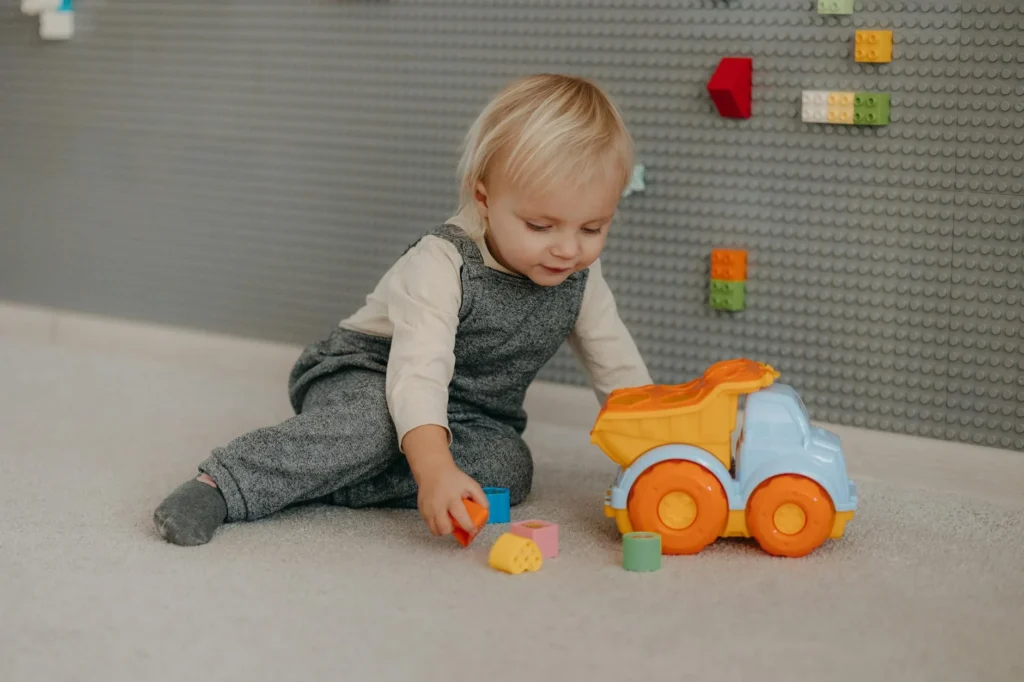
Streamlining Sleep
Consistent sleep is foundational for a happy, well-regulated toddler. A predictable bedtime routine signals to their body that it’s time to wind down, making transitions smoother.

- The Power of Predictability: Aim for the same bedtime every night, even on weekends, within reason.
- Calm Before the Storm: Create a relaxing ritual – a warm bath, quiet stories, soft music, or gentle cuddles. Keep screens away for at least an hour before bed.
- Optimal Sleep Environment: Ensure their room is dark, quiet, and a comfortable temperature. A beloved stuffed animal or blanket can offer comfort.
- Nap Transitions: Around this age, many toddlers may still need a nap, while others are beginning to phase it out. Observe your child for cues like crankiness or hyperactivity to gauge their need for daytime rest.
Mealtime Made Easy
Mealtimes can sometimes feel like a battleground, but simple routines can transform them into enjoyable family experiences.
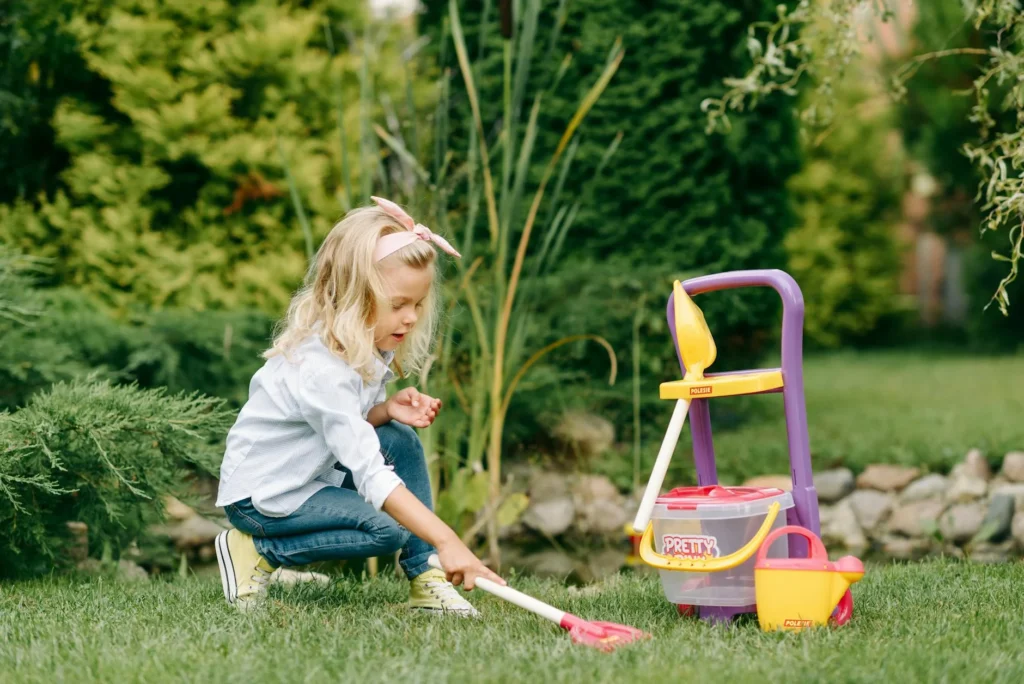
- Set the Scene: Aim for regular meal and snack times. This helps regulate their appetite and prevents constant grazing.
- Involve Them: Let your toddler help with simple tasks, like setting the table (plastic plates!) or choosing between two healthy snack options. This fosters independence and ownership.
- Healthy Choices: Offer a variety of nutritious foods. For a 36-month-old, most common allergens have likely been introduced, but always be mindful of individual sensitivities. Remember to avoid adding extra salt or sugar to your toddler’s meals whenever possible.
- Focus on Food: Make mealtimes about eating and conversation, rather than distractions like screens or toys.
Play & Learning Time
Structured and unstructured play are crucial for development. Building routines around play can help foster creativity and independent play.
- Dedicated Play Spaces: Designate areas for play – a cozy corner for reading, a mat for building blocks.
- Mix It Up: Balance free play with guided activities like puzzles, drawing, or outdoor adventures.
- Tidy-Up Time: Integrate tidying into the routine. Start small, asking them to put away one type of toy before moving to the next activity. Make it a game!
- Outdoor Exploration: Schedule time daily for fresh air and gross motor play. A trip to the park or even just playing in the backyard can do wonders.
General Routine Boosters
Beyond the specifics of sleep and meals, integrating simple routines throughout the day can make a big difference.
- Visual Schedules: For many toddlers, seeing is believing. Use pictures or simple drawings to outline the day’s events (e.g., wake up, breakfast, play, snack, park, lunch).
- Empowerment Through Choice: Offer limited choices within the routine (e.g., “Do you want to wear the blue shirt or the red one?” “Do you want to brush your teeth before or after you pick out a story?”).
- Positive Reinforcement: Celebrate successes! Acknowledge their efforts and cooperation with praise and encouragement.
- Consistency is Key, but Flexibility is Gold: While routines are great, life happens. Be prepared to adapt when plans change. A strong routine allows for occasional flexibility without completely derailing your day.
FAQs About Toddler Routines
How do I start a new routine?
Introduce changes gradually. Talk about the new routine beforehand, explaining what will happen. Start with one new step and slowly add more as your toddler adjusts. Consistency from caregivers is the most important ingredient.
What if my toddler resists a routine?
Resistance is normal at this age! Stay calm and consistent. Acknowledge their feelings (“I know you don’t want to go to bed yet, but it’s time for stories now”), offer limited choices, and avoid getting into power struggles. Sometimes, a little novelty, like a new bedtime story or a different song, can help.
When should I seek professional advice?
If you notice significant changes in your child’s sleep, eating patterns, or behavior that concern you, or if resistance to routines becomes overwhelming and persistent, don’t hesitate to reach out to your pediatrician or a child development specialist. They can offer personalized guidance and rule out any underlying issues.
Disclaimer: The information in this article is for general knowledge and informational purposes only, and does not constitute medical advice. Always consult a qualified healthcare professional for any health concerns or before making any decisions related to your child’s health and wellbeing.
Note: Totals vary by provider, region, and part quality.
Images sourced from Pexels.