
What Happens at 28 Weeks Pregnant?
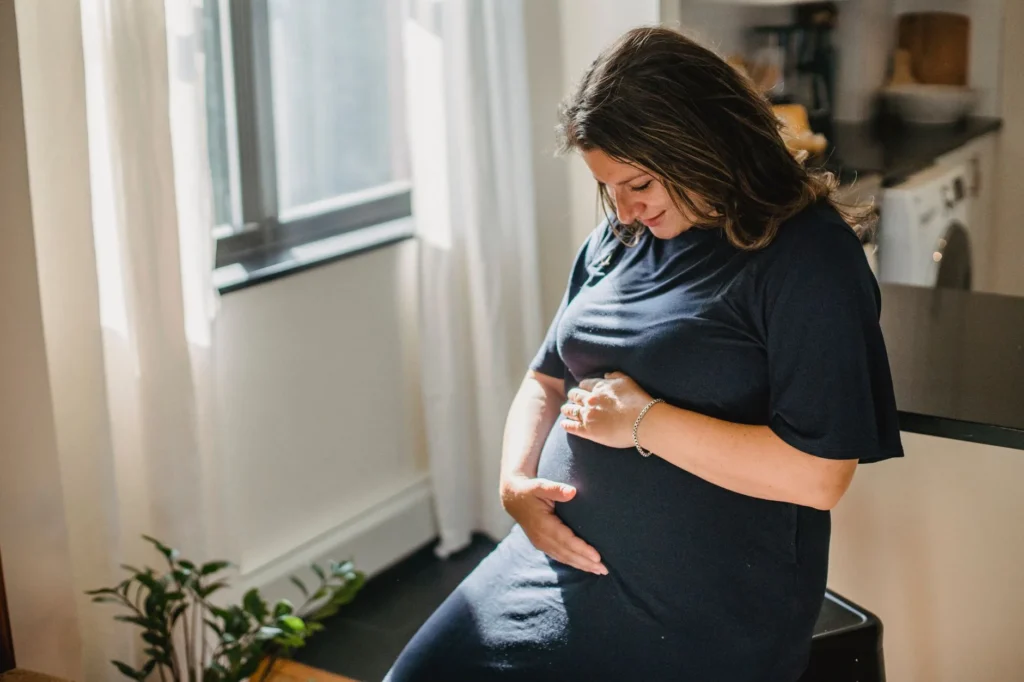
Welcome to the home stretch! Reaching 28 weeks means you’ve officially stepped into the third trimester of your pregnancy. It’s a time of rapid growth for your little one and significant changes for you as your body prepares for birth. You might feel a mix of excitement, anticipation, and perhaps a touch of fatigue.
For You, Mama
Your body is working incredibly hard right now. You might notice increased fatigue returning, similar to how you felt in the first trimester. Braxton Hicks contractions, those ‘practice’ contractions, might become more frequent or noticeable. They’re usually irregular, mild, and go away with a change in activity or hydration.

Some pregnant individuals experience swelling in their feet, ankles, and hands. Keeping your feet elevated and staying hydrated can help. You might also find your balance shifting, so move a bit more cautiously. Heartburn and indigestion can also be unwelcome companions during this stage as your growing uterus puts pressure on your stomach.

At your prenatal appointments around this time, your healthcare provider might conduct or review the results of your glucose screening to check for gestational diabetes. If you’re Rh-negative, you’ll likely receive a Rhogam shot to prevent your body from developing antibodies against your baby’s Rh-positive blood, should they have it.
For Your Baby
Your baby is making incredible strides in development at 28 weeks! They now weigh around 2.5 pounds (about 1.1 kg) and measure approximately 15 inches (about 38 cm) from head to heel, roughly the size of a head of lettuce. Their brain is developing rapidly, creating billions of new connections.
Their lungs are continuing to mature, though they still have a way to go before being fully ready for life outside the womb. Your baby can now open and close their eyes, and their eyelashes are growing. They can even distinguish between light and dark filtering through your abdominal wall and might react to loud noises from the outside world. They’re also developing more defined sleep-wake cycles, which you might start to notice through their movement patterns.
Tips for This Stage of Pregnancy
- Stay Hydrated: Drinking plenty of water is crucial. It helps prevent swelling, can reduce Braxton Hicks contractions, and supports overall well-being.
- Prioritize Rest: Fatigue is common. Listen to your body and don’t hesitate to take naps or rest when you can. Good quality sleep is often harder to come by, so make the most of opportunities.
- Gentle Movement: Continue with light, approved exercise like walking, swimming, or prenatal yoga. This can help with circulation, energy levels, and prepare your body for labor.
- Prepare for Birth: Now is a great time to discuss your birth preferences with your partner and healthcare provider. Consider attending childbirth classes if you haven’t already.
- Start Your Hospital Bag List: You don’t need to pack it yet, but making a list of what you’ll need for yourself, your baby, and your partner can help you feel more organized and less stressed later on.
- Monitor Fetal Movement: Your baby’s movements are an important indicator of their well-being. Pay attention to their usual patterns and communicate any significant changes to your doctor.
- Comfort Measures: Invest in supportive footwear, a maternity support belt if needed, and comfortable clothing. Small adjustments can make a big difference in your daily comfort.
Your Simple 28-Week Checklist
- ✓ Attend your scheduled prenatal appointment.
- ✓ Discuss third-trimester screening tests with your doctor.
- ✓ If needed, get your Rhogam shot.
- ✓ Start creating your hospital bag checklist.
- ✓ Research or sign up for childbirth education classes.
- ✓ Continue to track your baby’s movements daily.
- ✓ Keep up with your hydration goals.
- ✓ Prioritize rest and gentle movement.

Frequently Asked Questions
Is 28 weeks the start of the third trimester?
Yes, 28 weeks pregnant typically marks the beginning of the third and final trimester of pregnancy. Congratulations on reaching this significant milestone!
What are common symptoms at 28 weeks?
Many individuals experience increased fatigue, more noticeable Braxton Hicks contractions, some swelling in the hands and feet, backaches, heartburn, and possibly difficulty sleeping comfortably. Every pregnancy is unique, so your experience may vary.
How often should I feel baby move at 28 weeks?
By 28 weeks, your baby’s movements should be regular and consistent. Many healthcare providers recommend ‘kick counts,’ which involve tracking how long it takes to feel 10 movements. A common guideline is to feel at least 10 movements within a 2-hour period while resting. It’s important to understand your baby’s usual pattern and contact your healthcare professional immediately if you notice a significant decrease or change in their movements.
What should I avoid at 28 weeks pregnant?
Continue to avoid alcohol, smoking, and recreational drugs. Limit caffeine intake. Avoid certain foods like raw or undercooked meats, fish high in mercury, unpasteurized dairy, and unwashed produce. Strenuous activities that put you at risk of falling or cause overheating should also be avoided. Always consult your healthcare provider about specific activities or concerns.
Important Health Disclaimer
The information provided in this guide is for general informational purposes only and is not intended as medical advice. It is not a substitute for professional medical advice, diagnosis, or treatment. Always seek the advice of your physician or other qualified health provider with any questions you may have regarding a medical condition. If you experience any concerning symptoms, such as severe pain, heavy bleeding, sudden severe swelling, or a significant change in fetal movement, contact your healthcare professional immediately.
Note: Totals vary by provider, region, and part quality.
Images sourced from Pexels.