
Potty training is a significant milestone, and for many two-year-olds, it’s a journey filled with excitement, discovery, and sometimes a few setbacks. There’s no single ‘right’ time to start, but around 24 months, many toddlers begin to show signs of readiness. This guide offers a gentle approach to help you and your little one embark on this adventure.
Disclaimer: This information is for general guidance only and should not be considered medical advice. Always consult with a healthcare professional for specific concerns about your child’s health or development.

Is Your Toddler Ready for Potty Training?

Before you dive in, it’s helpful to observe your child for signs of readiness. Both physical and cognitive development play a role.
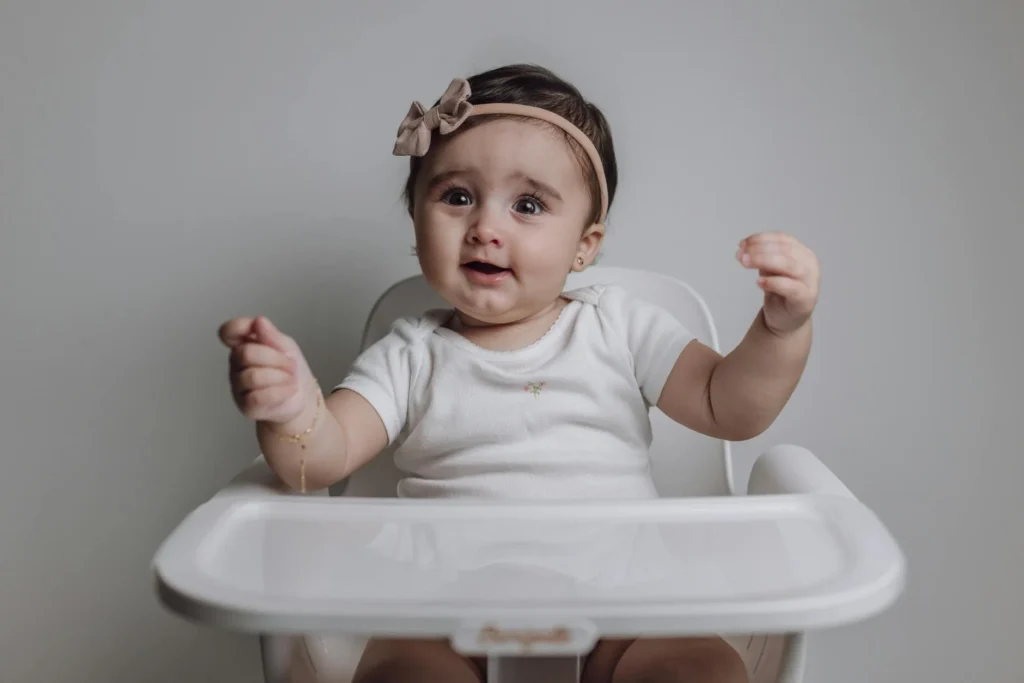
Physical Readiness
- They stay dry for longer periods, perhaps two hours or more, or wake up dry from naps.
- They have predictable bowel movements and may pass stools around the same time each day.
- They can pull down their pants and pull them back up.
- They can walk to and sit on a potty independently.
Cognitive and Emotional Readiness
- They show interest in the toilet or underwear.
- They can follow simple two-step instructions.
- They communicate when they need to go or have gone (e.g., ‘wet,’ ‘poop’).
- They show curiosity about what adults do in the bathroom.
- They express discomfort with a wet or dirty diaper and want it changed.
- They desire independence and want to do things ‘by myself.’
Your Gentle Potty Training Starter Plan
Once you notice several of these signs, you can begin to introduce the idea of potty training in a relaxed, positive way.

Make it Fun and Routine
- **Introduce the potty:** Let your child choose a potty chair or a toilet seat adapter. Allow them to decorate it or simply get used to its presence in the bathroom.
- **Potty books:** Read books about potty training together. This helps normalize the process and makes it less intimidating.
- **Schedule ‘potty breaks’:** Encourage your child to sit on the potty for a few minutes at regular intervals, such as first thing in the morning, before naps, after meals, and before bedtime. Even if nothing happens, it builds the routine.
- **Diaper-free time:** Allow short periods of diaper-free time at home. This helps your child become more aware of their body’s signals.
Model Good Habits
- **Let them watch:** If you’re comfortable, let your child accompany you to the bathroom so they can see how it’s done.
- **Talk about it:** Use simple, accurate language for body parts and bodily functions.
Celebrate Small Wins
- **Praise effort:** Focus on praising your child’s effort and willingness to try, not just successful ‘potties.’ Positive reinforcement is key.
- **Small rewards:** A sticker chart, a high-five, or a small special activity can motivate some children. Keep it simple and don’t overdo it.
Common Potty Training Pitfalls
It’s easy to fall into certain traps that can make the process harder. Be aware of these common mistakes.
Pushing Too Hard
Forcing a child to sit on the potty or shaming them can lead to resistance and delays. If your child is resistant, it’s okay to take a break for a few weeks or months and try again later. Potty training should be led by your child’s readiness.
Inconsistency
All caregivers (parents, grandparents, daycare providers) should be on the same page with the potty training approach. Consistency helps your child understand expectations.
Focusing on Accidents
Accidents are a normal part of learning. React calmly, help your child clean up, and reassure them that it’s okay. Avoid punishment or making a big deal out of it, as this can create anxiety.
When to Chat with a Healthcare Professional
While potty training is a natural developmental process, there are times when it’s wise to seek advice from your pediatrician or a healthcare professional:
- If your child shows persistent refusal or extreme fear of the potty.
- If they suddenly regress significantly after being successfully trained for a period.
- If you notice any signs of discomfort or pain during urination or bowel movements.
- If there are signs of chronic constipation or recurrent urinary tract infections.
- If you have general concerns about their developmental readiness or other health issues.
Remember, every child progresses at their own pace. Be patient, be positive, and celebrate each small step along the way. Your support and understanding are the most valuable tools in this journey.
Note: Totals vary by provider, region, and part quality.
Images sourced from Pexels.