
Making Getting Dressed a Joyful Start to the Day
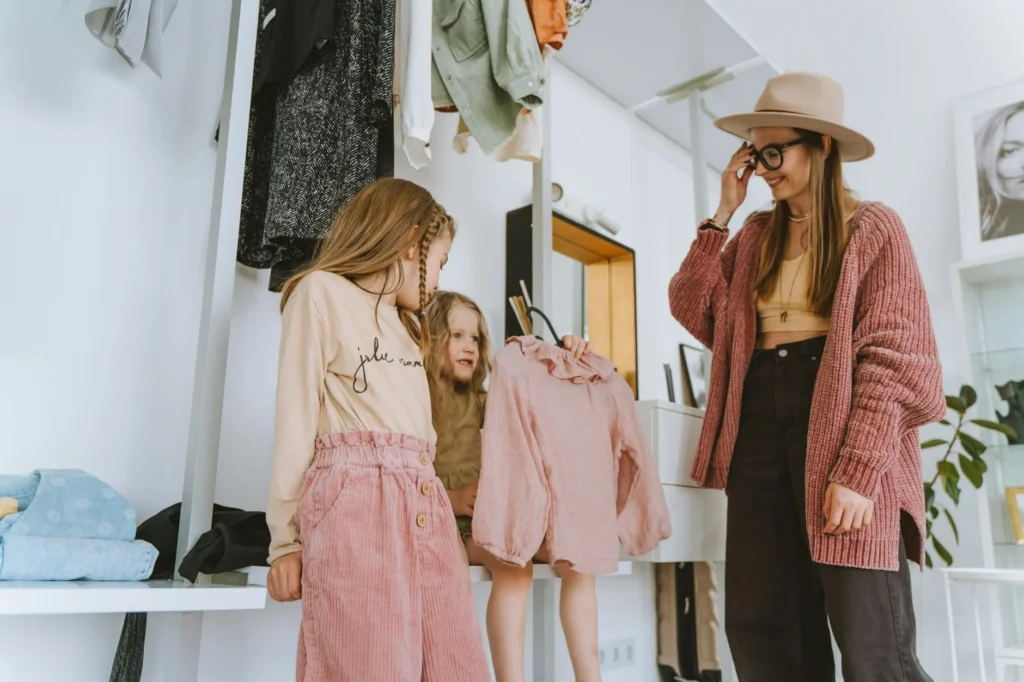
Ah, the 31-month-old! Full of vibrant energy, budding independence, and a fierce desire to do things ‘my way.’ This wonderful stage can sometimes turn simple tasks, like getting dressed, into a surprising daily challenge. Suddenly, putting on socks becomes a philosophical debate, and choosing a shirt is a power struggle. But don’t despair! With a little creativity and a lot of patience, you can transform dressing time from a battle into a fun, cooperative experience.
Why the Resistance? Understanding Toddler Independence
At this age, your little one is keenly aware of themselves as an individual. They’re exploring boundaries, asserting control, and practicing decision-making. Saying ‘no’ or refusing to cooperate with dressing isn’t always about the clothes themselves; it’s often a bid for autonomy. By offering playful solutions and a sense of choice, you can honor their growing independence while still accomplishing the task.
Playful Strategies for Getting Dressed
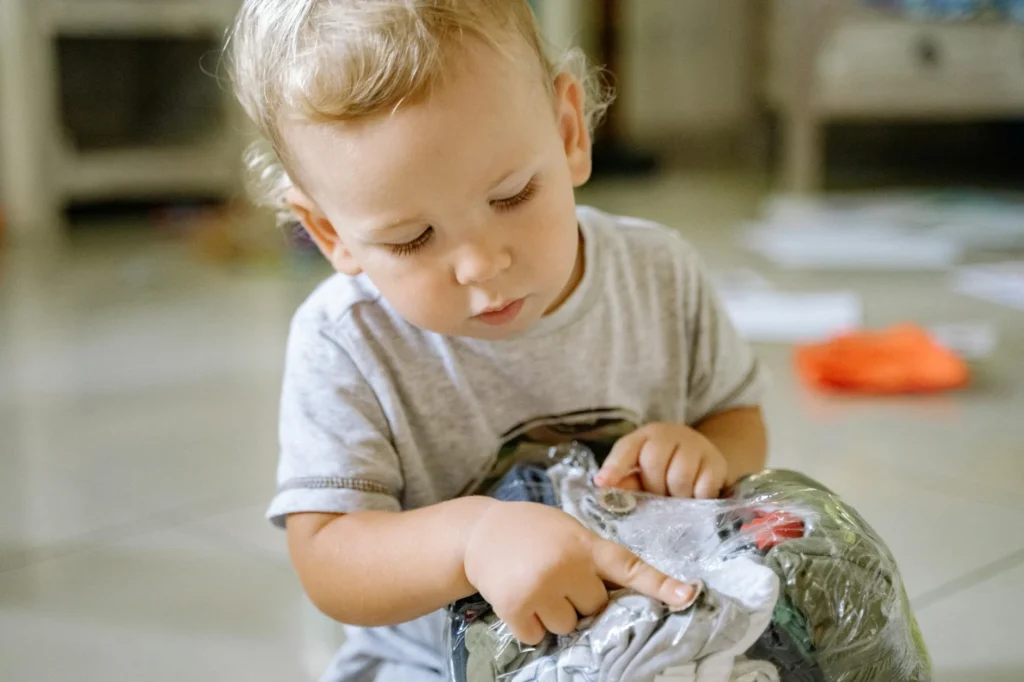
Here are some fun ideas to sprinkle some joy into your morning routine:

- The "Choose Your Own Adventure" Wardrobe: Instead of asking, "What do you want to wear?" (which can be overwhelming), offer two pre-selected, weather-appropriate outfits. "Would you like the blue shirt or the stripey one today?" Giving limited, acceptable choices empowers them without derailing the day.
- Fashion Show Fun: Turn dressing into a mini fashion show. Put on some music and encourage them to show off each item as they put it on. "Look at those amazing trousers! Wow, a super-fast t-shirt!" Make it silly and full of compliments.
- Story Time Dressing: Narrate the process. "First, your superhero legs need their super-socks! Whoosh! Then your strong arms will find their way into this cozy top. Can you help them?"
- Dress the Teddy/Doll: Before dressing themselves, have your toddler help their favorite toy get dressed first. It can be a great way to practice the motions and make it feel less like a chore.
- "Magic" Clothes: Pretend each item of clothing has a special power. "This shirt makes you extra fast!" or "These shoes help you jump super high!"
- The Race Against the Clock (Playfully!): For some toddlers, a gentle, fun challenge can work. "Let’s see if we can get your pajamas off before the clock hand reaches the sun!" Keep it light and focused on fun, not speed.
- Mirror, Mirror: Stand in front of a mirror together and make silly faces or poses as they put on clothes. It adds an element of self-discovery and humor.
Practical Tips for Smoother Mornings
- Prepare Ahead: Lay out clothes the night before, or even have your toddler help pick them out.
- Prioritize Comfort: Scratchy tags, tight waistbands, or stiff fabrics can be genuine sensory issues for toddlers. Opt for soft, easy-to-wear clothing.
- Time It Right: Rushing rarely helps. Build extra time into your morning routine so there’s less pressure.
- Acknowledge Feelings: "I know you don’t want to put on your pants right now, you really want to keep playing with your cars." Validating their feelings can sometimes defuse the situation.
- Make it a Routine: Predictable routines help toddlers feel secure. Try to dress at a similar time each day.
- Be Patient and Positive: Your calm demeanor can make a big difference. Praise every little step they take toward cooperation.
When to Talk to a Professional
While dressing resistance is a common phase, if your toddler’s refusal to get dressed is consistently extreme, causes significant distress (for you or them), or is accompanied by other developmental concerns like heightened sensory sensitivities, it might be helpful to discuss it with your pediatrician. They can offer personalized advice or rule out any underlying issues.
Disclaimer: This information is for general guidance only and is not intended to be medical advice. Always consult with a qualified healthcare professional for any health concerns or before making any decisions related to your child’s care.
Note: Totals vary by provider, region, and part quality.
Images sourced from Pexels.