
When it comes to your little one’s first steps and beyond, comfort and proper support are key. Ill-fitting shoes can not only be uncomfortable but might also affect how your baby’s feet develop. Getting the right size can feel like a guessing game sometimes, especially with all the different sizing systems out there!
This guide will help you confidently measure your baby’s feet at home and decode those shoe sizes, ensuring their tiny toes have the space they need to grow and explore.
| Foot Length (CM) | Foot Length (Inches) | US Size | EU Size | UK Size |
|---|---|---|---|---|
| 8.0 – 8.9 | 3.1 – 3.5 | 0 | 16 | 0 |
| 9.0 – 9.7 | 3.5 – 3.8 | 0.5 | 16.5 | 0.5 |
| 9.8 – 10.4 | 3.9 – 4.1 | 1 | 17 | 1 |
| 10.5 – 11.2 | 4.1 – 4.4 | 2 | 18 | 1.5 |
| 11.3 – 12.0 | 4.4 – 4.7 | 3 | 19 | 2.5 |
| 12.1 – 12.8 | 4.8 – 5.0 | 4 | 20 | 3.5 |
| 12.9 – 13.5 | 5.1 – 5.3 | 5 | 21 | 4 |
| 13.6 – 14.2 | 5.4 – 5.6 | 6 | 22 | 5 |
| 14.3 – 14.9 | 5.6 – 5.9 | 7 | 23 | 6 |
| 15.0 – 15.6 | 5.9 – 6.1 | 8 | 24 | 7 |
| 15.7 – 16.3 | 6.2 – 6.4 | 9 | 25 | 8 |
| 16.4 – 17.0 | 6.5 – 6.7 | 10 | 26 | 9 |
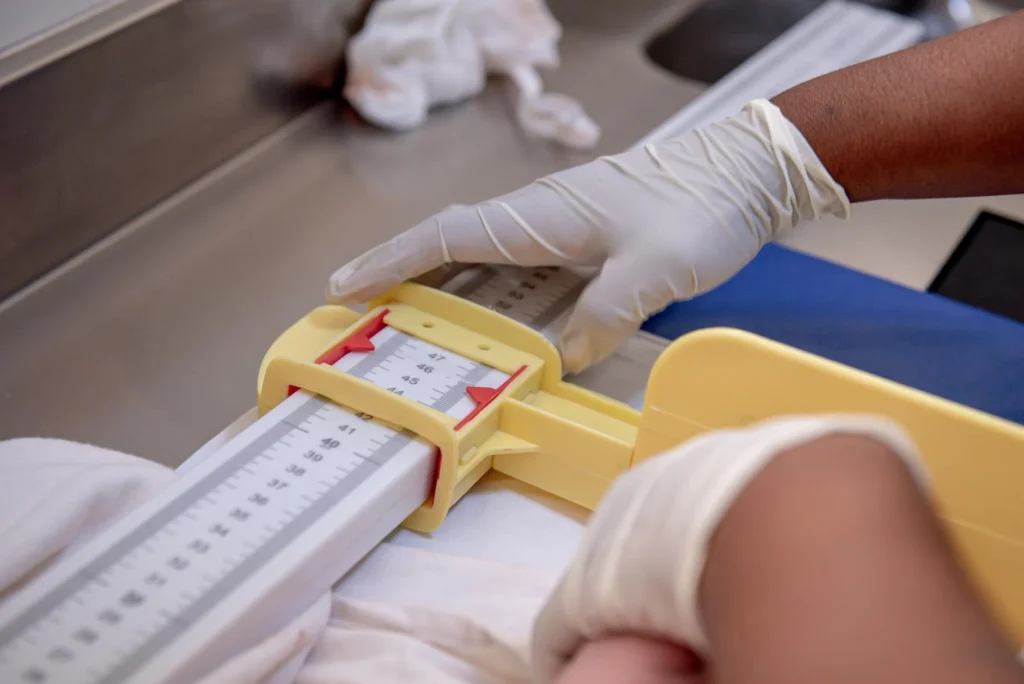
How to Measure Your Baby’s Feet at Home
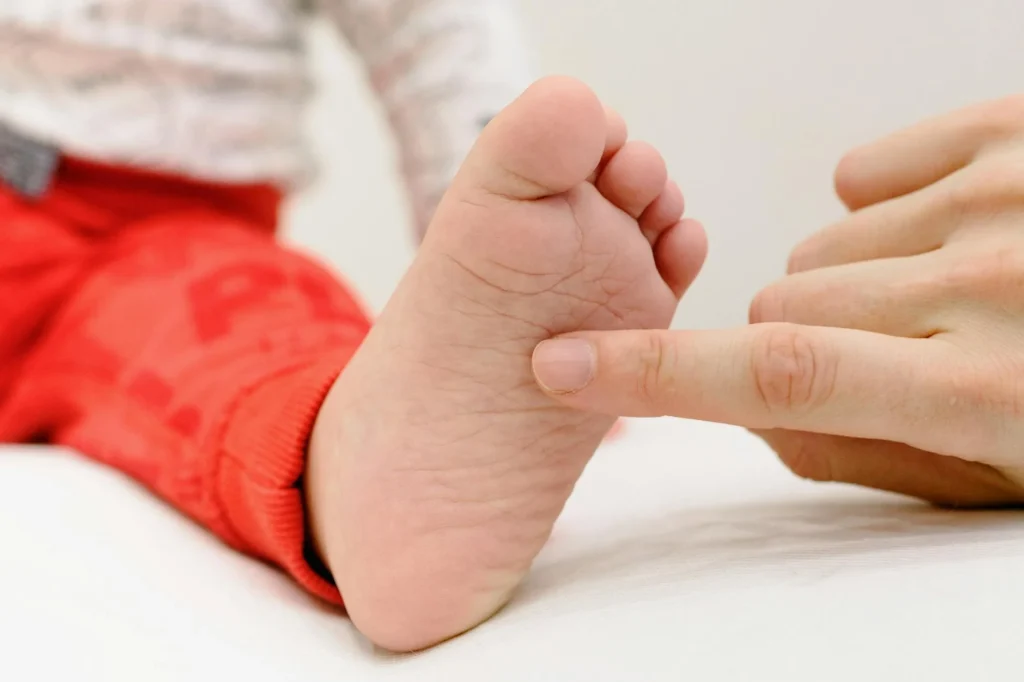
Regularly measuring your baby’s feet is the best way to ensure they’re always in the right size. Babies grow incredibly fast, and their foot size can change quickly!
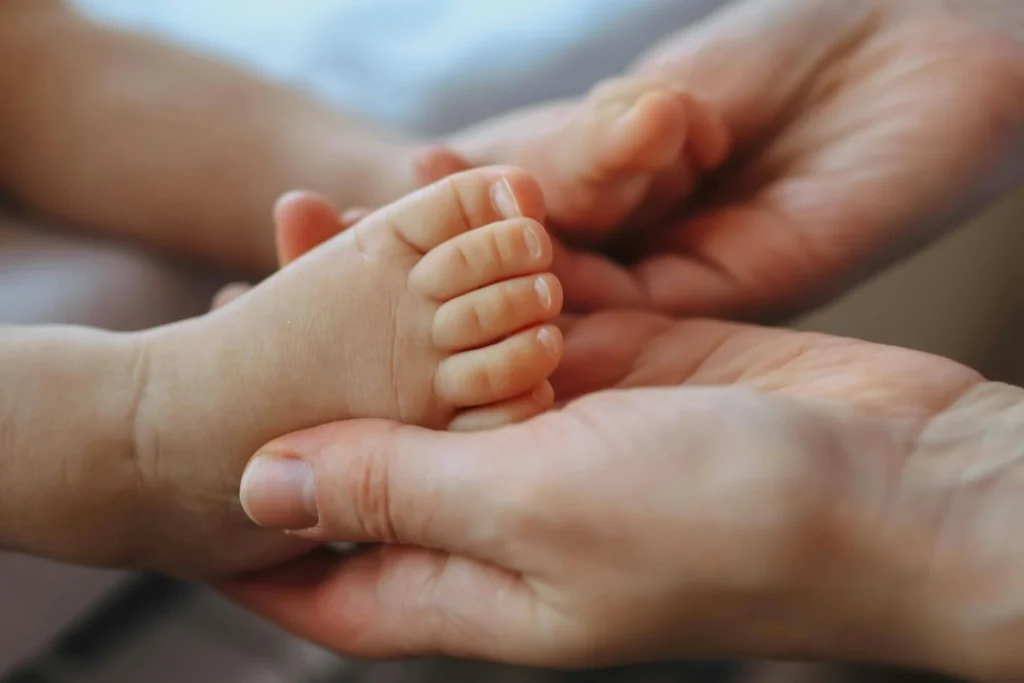
What You’ll Need:
- A piece of paper (larger than your baby’s foot)
- A pen or pencil
- A ruler or measuring tape
- Your baby (of course!)
Steps to Measure:
- Get Set Up: Place the paper on a hard, flat surface. If your baby can stand, have them stand with one foot firmly on the paper. For younger babies, you can gently hold their foot flat on the paper.
- Trace the Foot: Use your pen or pencil to carefully trace the outline of their foot. Hold the pen straight up and down, making sure it hugs the foot.
- Measure the Length: With your ruler, measure the distance from the tip of the longest toe to the back of the heel. This gives you the foot length.
- Measure the Width: Measure across the widest part of the foot, usually just below the toes. This helps understand if your baby needs wider shoes.
- Add Wiggle Room: For growing room, add about 0.5 to 1 cm (0.2 to 0.4 inches) to the measured length. This extra space helps ensure toes aren’t cramped and gives room for growth.
Pro Tip: Always measure both feet, as one might be slightly larger than the other. Use the measurement from the larger foot. Also, measure later in the day, as feet can swell slightly.
Baby Shoe Size Chart (CM/Inches to US/EU/UK)
Use this chart as a general guide to convert your baby’s foot measurements into common shoe sizes. Remember to factor in that extra wiggle room you calculated!
Important Note: Shoe sizes can vary slightly between brands. This chart is a general reference. Always check the specific brand’s size chart if available, and don’t hesitate to measure the shoe’s inner sole if you can, especially when shopping online.
Common Mistakes to Avoid When Buying Baby Shoes
- Not Measuring Regularly: Babies’ feet grow very quickly. What fit a few months ago might be too small now. Measure every 2-3 months.
- Buying Too Small: Shoes that are too tight can restrict foot growth and cause discomfort or even deformities. Always ensure enough space for toes to wiggle.
- Buying Too Big: While a little growing room is good, shoes that are too large can cause tripping, blisters, and make it harder for your baby to walk naturally.
- Ignoring Width: Length isn’t the only factor. If shoes are too narrow, they can pinch. If they’re too wide, they can cause slipping.
- Relying on Old Shoes for Sizing: Never assume the next size up in the same brand will fit the same way or that a hand-me-down is the right fit.
A Note on Healthy Foot Development
Properly fitted shoes play a crucial role in supporting your child’s natural foot development. For infants who aren’t yet walking, soft-soled shoes or socks are often best, allowing their feet to develop naturally. Once they start cruising and walking, supportive, flexible, and well-fitting shoes become more important.
This information is for general guidance only and should not replace professional medical advice. If you have any concerns about your baby’s foot development, gait, or general health, always consult with a pediatrician or a pediatric podiatrist.
Note: Totals vary by provider, region, and part quality.
Images sourced from Pexels.