
Getting Ready for Your 18-Week-Old’s Doctor Visit

Regular check-ups are an important part of your baby’s first year, helping to ensure they’re growing well and meeting their developmental milestones. An 18-week mark means your little one is almost 4.5 months old – a time often filled with new smiles, more alert periods, and perhaps some early attempts at rolling! To make these necessary appointments as smooth as possible, a little preparation goes a long way. Packing the right essentials for your 18-week-old can reduce stress and help you focus on getting the most out of your time with the pediatrician.
Diaper Bag Must-Haves
Your diaper bag is your portable command center for any outing, especially a doctor’s visit where unexpected delays can happen. Pack more than you think you’ll need!
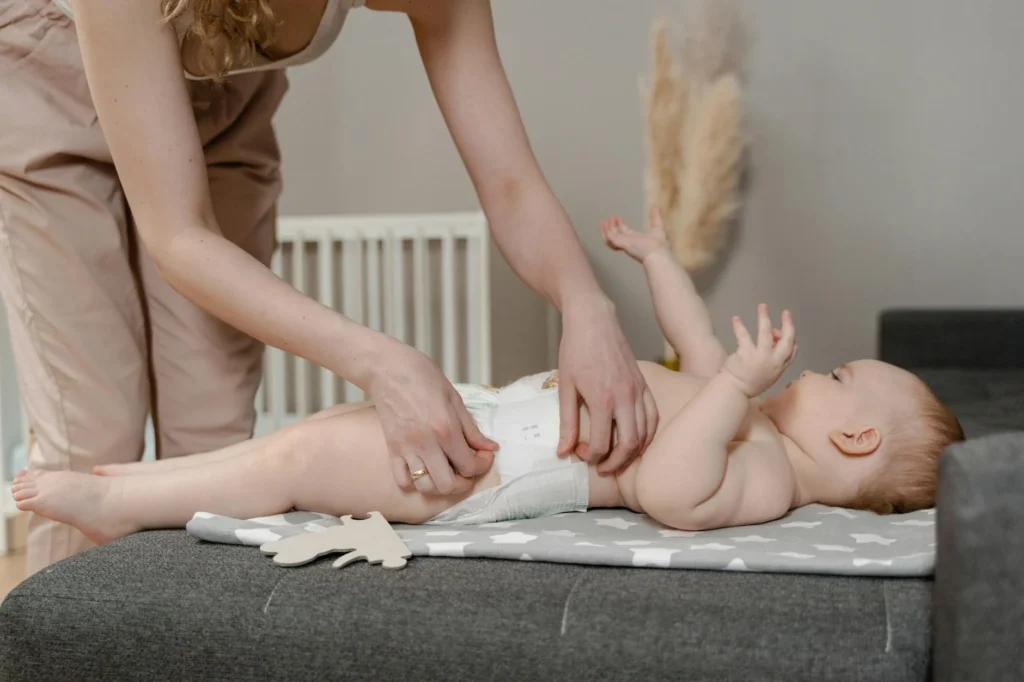
- Diapers: At least 3-4, even if you only expect to be out for an hour. Accidents happen!
- Wipes: A full pack or a good travel-sized one.
- Changing Pad: Most public changing tables aren’t the cleanest; a portable changing pad provides a hygienic surface.
- Plastic Bags: For soiled diapers or clothes. Keep odors contained until you can dispose of them properly.
- Extra Outfit for Baby: Spit-up, diaper blowouts, or even just a messy feeding can necessitate a quick change.
- Burp Cloths: Always handy for spit-ups or to protect your clothes.
- Feeding Supplies: If bottle-feeding, bring pre-measured formula or pumped breast milk, and a clean bottle. If breastfeeding, you might want a nursing cover for privacy, or just dress in nursing-friendly attire.
Comfort and Entertainment for Your Little One
A doctor’s office can be a new and sometimes overwhelming environment for a baby. Having familiar items can offer comfort.

- Favorite Toy or Rattle: Something small and engaging to distract them during waiting times or even during an exam.
- Pacifier: If your baby uses one, it can be a great soothing tool.
- Soft Blanket: Useful for warmth, providing a clean surface to lie on, or simply for a sense of security.
- Sling or Carrier: If you prefer to keep your baby close and minimize contact with public surfaces, a carrier can be a great alternative to a stroller in a busy waiting room.
For You, the Parent
Remember, taking care of yourself helps you better care for your baby. Don’t forget your own essentials.

- Snack and Water: Waiting times can be unpredictable. Keep yourself hydrated and fueled.
- Book, Magazine, or Fully Charged Phone: Something to occupy yourself during waits.
- Pen and Notebook: Crucial for jotting down questions before the visit and important information or instructions from the doctor during and after the appointment.
- Insurance Card and Baby’s Health Records: Always have these readily accessible.
- List of Questions/Concerns: Prepare this in advance. From feeding habits to sleep patterns or any new behaviors, write it all down so you don’t forget anything important in the moment.
Making the Visit Smoother
A few practical considerations can make a big difference.
- Schedule Strategically: Try to book your appointment around your baby’s usual nap or feeding times, opting for after a feeding when they’re likely content, but before they get overtired.
- Dress for Success: Choose clothing that’s easy to take off and put back on. Snap sleepers or outfits with simple closures make diaper checks and examinations much quicker.
- Don’t Hesitate to Ask: This is your time to get answers. If anything feels unclear, ask for clarification.
- Observe Your Baby: Pay attention to your baby’s behaviors, sleep, and feeding patterns in the days leading up to the visit. These observations can provide valuable information to share with your pediatrician.
Important Health Information Disclaimer
Please remember that the information provided here is for general guidance only and should not be considered medical advice. Always consult with a qualified healthcare professional, such as your pediatrician, for any health concerns or before making any decisions related to your baby’s health and well-being. If you have any specific concerns about your baby’s development, health, or symptoms, contact your doctor immediately.
Note: Totals vary by provider, region, and part quality.
Images sourced from Pexels.