
Ah, baby sleep. It’s often a mysterious, ever-changing landscape for new parents. From those first newborn days to the exciting milestones of infancy, understanding your little one’s sleep patterns and needs can feel like a complex puzzle. But don’t fret! There are gentle, supportive ways to help your baby (and you!) get more restful sleep without resorting to harsh methods.
Understanding Your Baby’s Sleep Cues
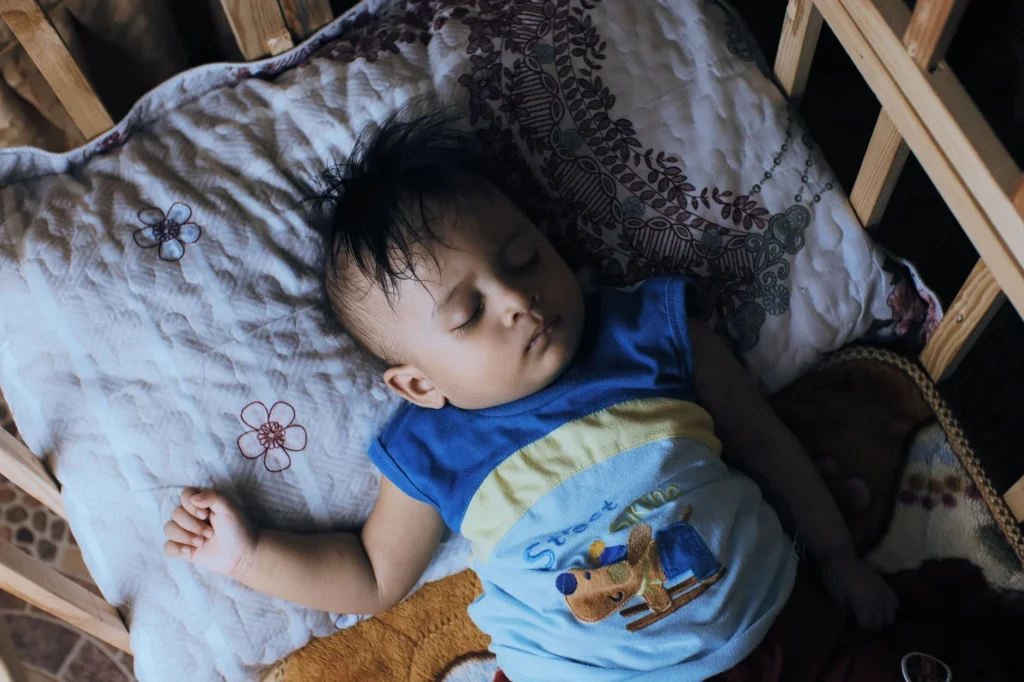
Babies communicate their sleepiness in subtle and not-so-subtle ways. Learning to recognize these signals early can be a game-changer for smoother transitions to sleep. Catching your baby before they become overtired often means less fuss and more peaceful slumber.

Common Signs Your Baby is Tired:
- Rubbing eyes or ears
- Yawning
- Decreased activity or quietness
- Loss of interest in play
- Fussiness or crying
- Looking away from stimulation
- Jerky arm and leg movements
These cues can be fleeting, so paying close attention to your baby’s individual rhythms will help you anticipate when it’s time to wind down.
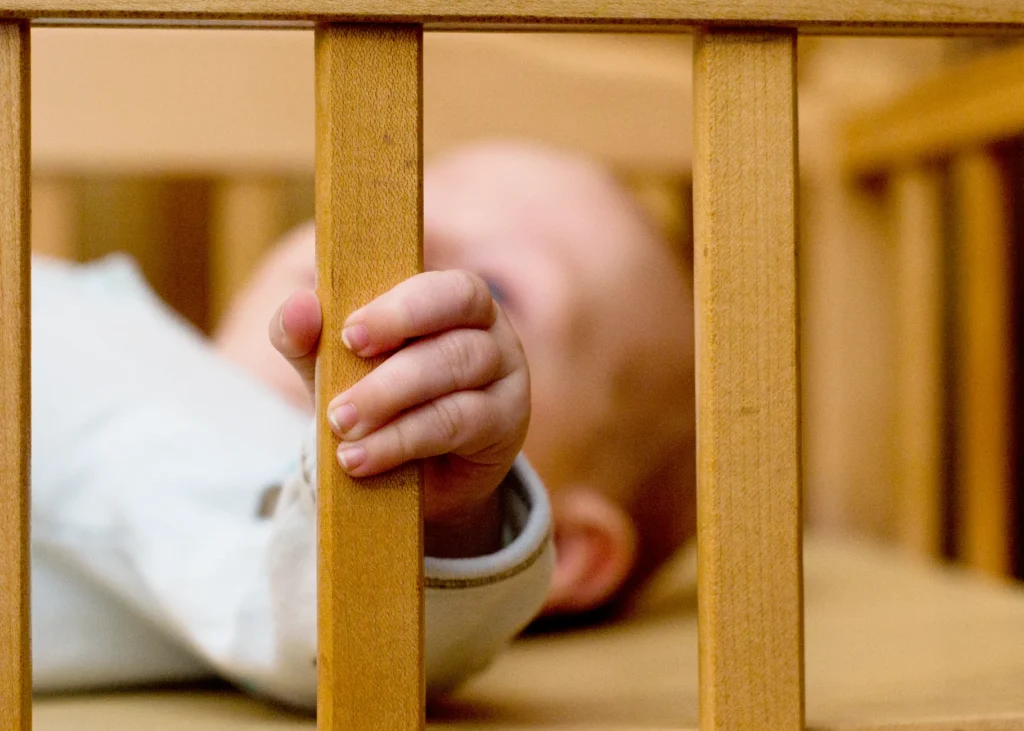
Tiny Habits for More Peaceful Nights
Creating a predictable, loving environment can work wonders for your baby’s sleep. These aren’t rigid rules, but gentle practices that can guide your little one towards better rest.
Establish a Consistent Bedtime Routine
Even for young infants, a short, calming routine signals that sleep is coming. This might include a warm bath, a gentle massage, a quiet story, or a lullaby. Consistency is key here – doing the same sequence each night helps your baby’s brain prepare for sleep.

Create a Safe Sleep Environment
Ensure your baby sleeps on their back in a firm crib mattress, free from loose blankets, bumpers, pillows, or stuffed animals. The room should be dark and cool, with a white noise machine if desired to block out household sounds. A safe, consistent sleep space offers security.
Respond Gently to Waking
Babies naturally wake throughout the night. How you respond can shape their sleep habits. Acknowledge their needs with a calm presence, offering comfort or a feeding if necessary, then gently guide them back to sleep. Avoid overstimulating them during night wakings.
Help Them Differentiate Day and Night
During the day, keep things bright and noisy, with plenty of interaction. At night, keep lights dim, voices low, and interactions minimal. This helps babies learn the difference between active daytime hours and quiet nighttime rest.
Common Sleep Mistakes to Avoid
In the quest for more sleep, it’s easy to fall into habits that inadvertently hinder progress. Being aware of these common pitfalls can help you steer clear.
Pushing Past Overtiredness
It seems counterintuitive, but an overtired baby often struggles more to fall asleep and stay asleep. They may become wired and resist sleep even more intensely. Watch for those early sleep cues and respond promptly.
Inconsistent Routines
While life with a baby is unpredictable, try to maintain a consistent bedtime routine as much as possible. Erratic sleep schedules can confuse your baby’s internal clock and make it harder for them to settle.
Ignoring Sleep Cues
Sometimes, we might get caught up in an activity or want just a few more minutes of playtime. However, delaying sleep once cues appear can lead to a more difficult bedtime battle. Prioritize those sleepy signals.
When to Talk to a Professional
While most baby sleep challenges are part of normal development, there are times when it’s wise to seek advice from a healthcare professional. Trust your instincts as a parent.
You might consider consulting your pediatrician if:
- Your baby consistently struggles with feeding and sleep, leading to poor weight gain.
- They exhibit extreme fussiness or inconsolable crying during sleep times or throughout the day.
- You have concerns about their breathing during sleep or suspect sleep apnea.
- Your baby’s sleep patterns are severely disrupting their well-being or your own mental health.
- There are other underlying health concerns you believe might be affecting their sleep.
This information is for general guidance only and should not be considered medical advice. Always consult with a qualified healthcare professional for any health concerns or before making decisions related to your child’s well-being.
Navigating baby sleep is a journey, not a destination. Embrace the gentle approaches, trust your intuition, and remember that every baby is unique. With patience and consistency, you can help your little one establish healthy sleep habits for a lifetime of better rest.
Images sourced from Pexels.