
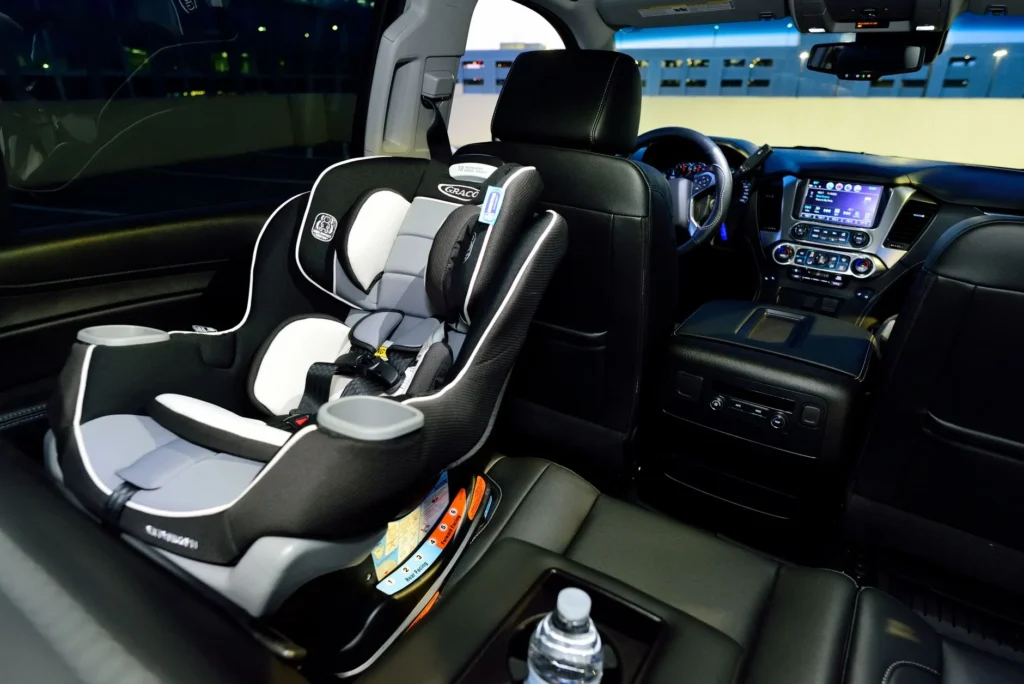
Bringing a baby home, or even just driving with a little one, means one thing above all: safety. A car seat isn’t just a convenience; it’s a vital piece of equipment designed to protect your child during travel. With so many options out there, choosing the right one can feel overwhelming. Don’t worry, we’re here to help break it down.
Why the Right Car Seat Matters
Every journey with your child relies on the security a good car seat provides. It’s built specifically to cushion and restrain them in case of a sudden stop or collision, offering a layer of protection that a regular seat belt simply can’t for small bodies. Ensuring your child is in the correct seat for their age, weight, and height is foundational to their safety on the road.

Choosing the Right Fit for Your Little One
Car seats come in different types, each designed for specific stages of your child’s growth.

- Infant Car Seats: These are for newborns and smaller babies, typically up to a certain weight and height limit. They are always rear-facing and often come with a convenient carrier that clicks in and out of a base, making it easy to transfer a sleeping baby.
- Convertible Car Seats: These seats “convert” from rear-facing for infants and toddlers to forward-facing for older toddlers and preschoolers. They offer longer use and generally have higher weight and height limits for both positions, allowing children to stay rear-facing longer, which is recommended for safety.
- Booster Seats: Once children outgrow their convertible car seat’s forward-facing limits, they move into a booster. Boosters elevate the child so the vehicle’s seat belt fits correctly across their shoulder and lap. They come in high-back and backless versions. Your child should use a booster until they are tall enough for the vehicle’s seat belt to fit properly without it, usually around 4 feet 9 inches tall and between 8 and 12 years old.
When selecting a seat, always check the manufacturer’s weight and height limits. Also, consider your vehicle’s LATCH (Lower Anchors and Tethers for Children) system if applicable, and ensure the seat fits snugly in your car. Some features like easy-to-adjust harness systems and washable fabrics can make day-to-day life much smoother.

Your Essential Car Seat Safety Checklist
Proper use is just as important as choosing the right seat. Here’s what to keep in mind:
- Read the Manuals: Always read both your car seat manual and your vehicle manual. Each car seat and car has specific installation instructions.
- Installation Matters: A properly installed car seat shouldn’t move more than one inch side-to-side or front-to-back at the belt path. Use either the LATCH system or the seat belt, but typically not both, unless specifically allowed by the manufacturer.
- Rear-Facing is Safest: Keep your child in a rear-facing car seat for as long as possible, up to the maximum weight or height allowed by the car seat manufacturer. This provides the best protection for their head, neck, and spine.
- Harness Fit: The harness straps should be snug (you shouldn’t be able to pinch any slack at the shoulder) and at or below shoulder level for rear-facing, and at or above shoulder level for forward-facing. The chest clip should be at armpit level.
- Check Expiration Dates: Car seats have expiration dates, usually found on a sticker on the seat itself. Plastic and other materials can degrade over time, affecting safety.
- New vs. Used: It’s generally best to buy a new car seat. If considering a used one, you must know its full history: no crashes, not expired, and all parts and instructions are present.
- Bulky Clothing: Avoid bulky jackets or snowsuits under the harness straps. These can create slack, making the harness less effective. Dress your child in thin layers and use blankets over the buckled harness instead.
- Recall Awareness: Register your car seat with the manufacturer to receive recall notifications. You can also check for recalls online.
Keeping It Clean: Care and Maintenance
Life with little ones can be messy! Thankfully, many car seat covers are removable and machine washable – but always check your specific car seat manual for cleaning instructions. Do not use harsh chemicals or abrasive cleaners, as these can damage the seat’s materials or flame retardant properties. For the harness straps, typically spot cleaning with mild soap and water is recommended.
Common Questions About Car Seats
Q: When should my child switch from rear-facing to forward-facing?
A: The recommendation is to keep your child rear-facing for as long as possible, up to the maximum weight or height limit of your specific convertible car seat. This offers superior protection for their developing head and neck.
Q: Where’s the safest place in the car for a car seat?
A: The safest place is generally the back seat, away from active airbags. If you only have one car seat, the center of the back seat is often recommended, as it’s furthest from potential side-impact crashes. However, always ensure you can achieve a proper, tight installation in that position.
Images sourced from Pexels.