
Bringing your little one home from the hospital, or just taking them on everyday adventures, means prioritizing their safety above all else. A car seat isn’t just a convenience; it’s a vital piece of safety equipment designed to protect your child during every journey. But with so many options out there, choosing the right one can feel a bit overwhelming. Don’t worry, this guide is here to help you navigate the choices, understand the key features, and ensure your precious cargo is as safe as can be.
Who This Guide Helps
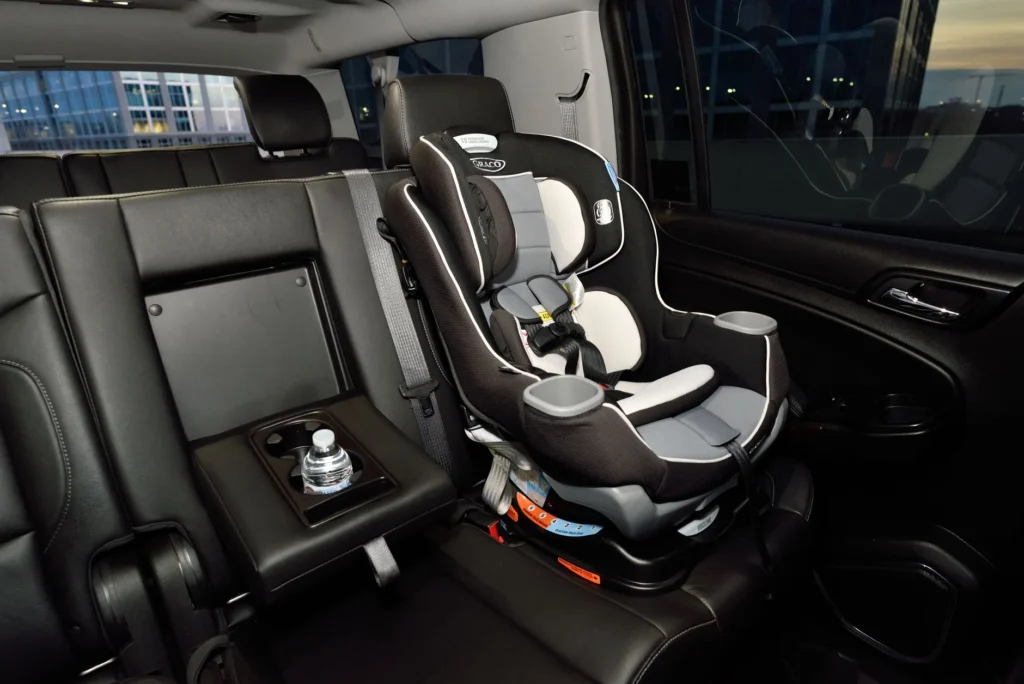
This guide is for any parent, grandparent, or caregiver who needs to buy, install, or simply better understand car seats for infants, toddlers, or older children. Whether you’re expecting your first baby, upgrading from an infant seat, or moving to a booster, we’ll walk you through the important considerations to make an informed decision.
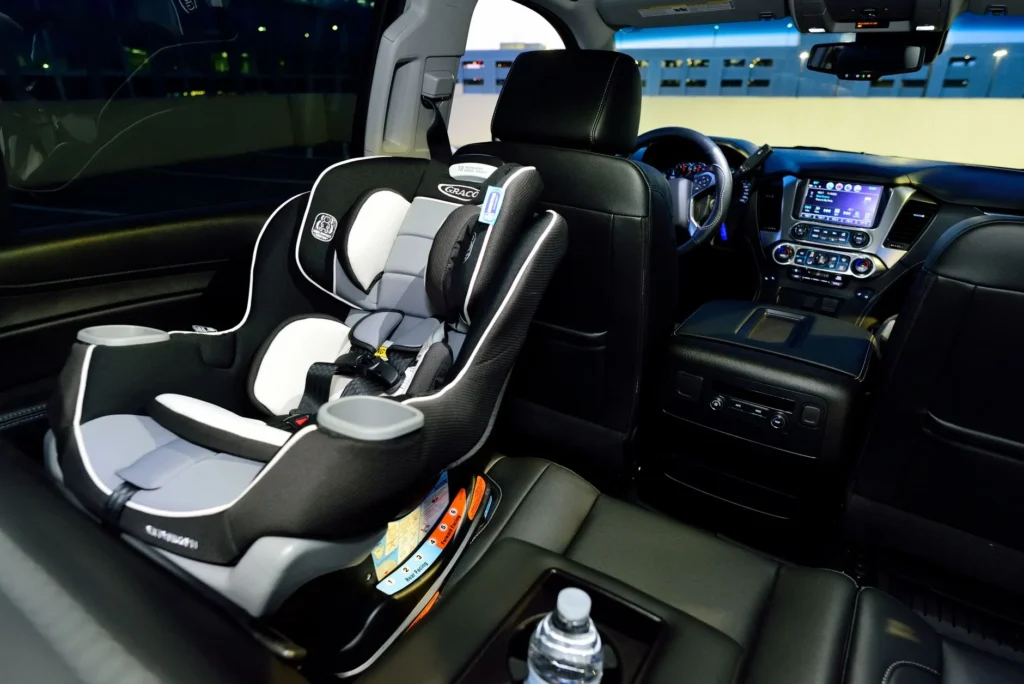
Choosing the Right Car Seat: What to Look For
Selecting a car seat involves more than just picking a pretty color. It’s about finding the perfect fit for your child, your vehicle, and your family’s needs.

Types of Car Seats
- Infant Car Seats: These are designed exclusively for newborns and small babies. They are rear-facing only and often come with a carrier that detaches from a base, allowing you to easily transfer a sleeping baby from car to stroller or home. They have specific weight and height limits you must adhere to.
- Convertible Car Seats: As the name suggests, these seats convert. They can be used rear-facing for infants and toddlers, and then transition to forward-facing for older, larger toddlers and preschoolers. They offer a longer lifespan but typically stay installed in the car.
- All-in-One Car Seats: These are similar to convertible seats but offer an even wider range, often accommodating children from birth through booster seat age. They can be used rear-facing, forward-facing, and eventually as a high-back booster.
- Booster Seats: Once your child outgrows their forward-facing car seat’s harness (usually by height or weight, not age alone), they’ll move to a booster seat. These elevate your child so the vehicle’s seat belt fits them correctly across the shoulder and lap. Boosters come in high-back and backless options.
Matching Your Child and Car
It’s crucial to select a car seat that is appropriate for your child’s current weight, height, and developmental stage. Always check the manufacturer’s specific guidelines. Don’t rush to move your child to the next stage too soon; keeping them rear-facing for as long as possible (up to the seat’s limits) is the safest option. Also, consider your vehicle. Not every car seat fits perfectly in every car. If possible, try installing the seat in your car before purchasing to ensure a secure fit.

Essential Safety Features
- LATCH System: Lower Anchors and Tethers for Children (LATCH) is an alternative to using the vehicle’s seat belt for installation. Most modern vehicles and car seats are equipped with LATCH. It’s not necessarily safer than a properly installed seat belt, but it can make installation easier.
- 5-Point Harness: This harness system has straps that go over both shoulders, around both hips, and buckles between the legs, offering the best protection for infants and toddlers.
- Side-Impact Protection: Many seats include extra foam or air pads designed to absorb energy in a side-impact crash, protecting your child’s head and body.
- Energy-Absorbing Foam: Look for EPS foam (expanded polystyrene) in the seat’s shell, which helps dissipate crash forces.
Ease of Use and Maintenance
A safe car seat is one that’s used correctly every time. Consider how easy it is to install, adjust the harness, and recline if needed. Removable, machine-washable fabric covers are a huge plus for keeping the seat clean.
Your Car Seat Safety Checklist
Even the best car seat won’t protect your child if it’s not installed and used correctly. Here are key points to remember:
- Read the Manuals: Always read both your car seat manual and your vehicle owner’s manual for specific installation instructions and restrictions.
- Tight Installation: The car seat should not move more than one inch side-to-side or front-to-back at the belt path.
- Proper Harness Fit: For rear-facing, shoulder straps should be at or below your child’s shoulders. For forward-facing, they should be at or above. The chest clip should be at armpit level. The straps should be snug—you shouldn’t be able to pinch any slack at the shoulder.
- Check Expiration Dates: Car seats have an expiration date, usually found on a label on the seat itself. Plastics can degrade over time, and safety standards evolve.
- Avoid Used Seats (with caution): It’s generally best to buy a new car seat. If considering a used one, you must know its full history: has it been in a crash, is it expired, are all parts present, and has it been recalled? If you can’t confidently answer these questions, it’s safer to pass.
- Back Seat Only: Children under a certain age (check your local guidelines, but generally 12 and under) should always ride in the back seat.
- Never Leave Unattended: A child should never be left alone in a car seat, especially in a vehicle.
Keeping Your Car Seat Clean
Life with little ones is messy, and car seats are no exception! Most car seats have removable fabric covers that can be spot-cleaned or machine-washed. Always consult your car seat’s manual for specific cleaning instructions. Using harsh chemicals or cleaning methods not approved by the manufacturer could compromise the seat’s integrity. For the buckles and harness straps, typically a damp cloth is all that’s needed.
Quick Questions About Car Seats
When should my baby move to a new type of car seat?
The safest practice is to keep your child in their current car seat type (e.g., rear-facing) until they reach the maximum weight or height limit specified by the car seat manufacturer. Do not rush to transition them simply because of age. Once they outgrow those limits, then it’s time to move to the next stage.
Can I use a used car seat?
While it might be tempting, using a used car seat comes with significant risks. You often can’t verify its history, including whether it’s been in a crash (even a minor one can compromise its safety), if it’s expired, or if all its parts are present and functional. Unless you know the full, verified history of the seat, it’s strongly recommended to purchase a new one for your child’s safety.
Please remember, this guide offers general information about car seat selection and safety. For specific concerns about your child’s health or any medical conditions, always consult with a qualified healthcare professional. If you have questions about car seat installation or proper usage, consider visiting a certified Child Passenger Safety Technician in your area for hands-on assistance.
Images sourced from Pexels.