
Starting Solids: A New Adventure for Your 6-Month-Old
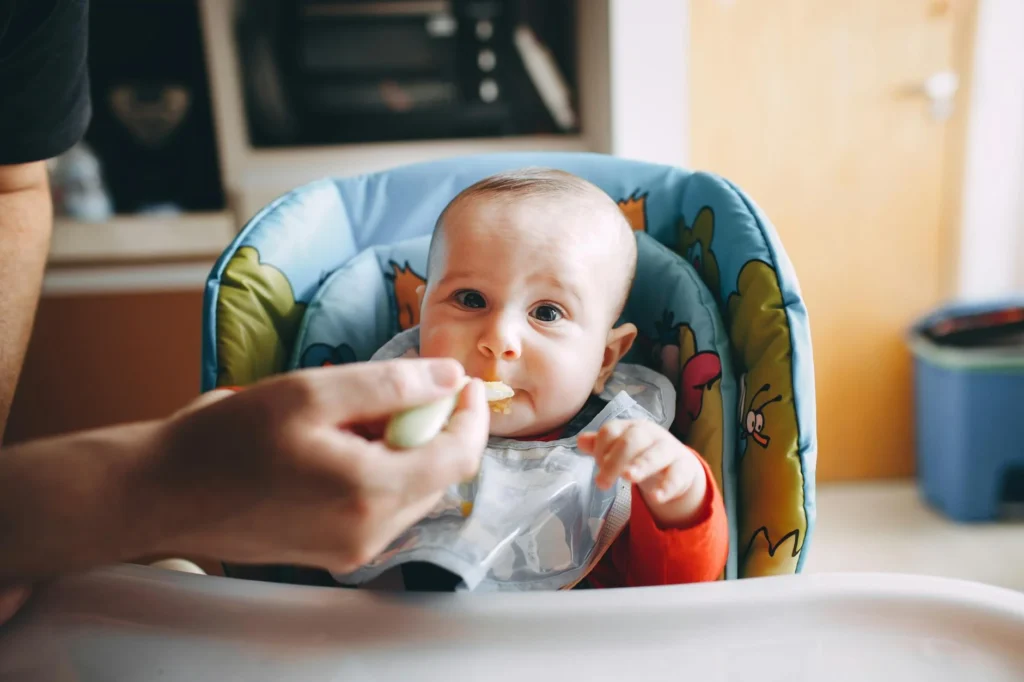
Reaching the 6-month mark is a big milestone! Your little one is growing, exploring, and might be showing signs they’re ready for their first taste of solid food. This can be an exciting, and sometimes a bit messy, new chapter. This general 7-day plan is designed to help you gently introduce solids and build confidence for both you and your baby.
Please Note: This information is for general guidance only and is not a substitute for professional medical advice. Always consult with your pediatrician or a qualified healthcare provider for personalized advice regarding your baby’s health and nutrition.
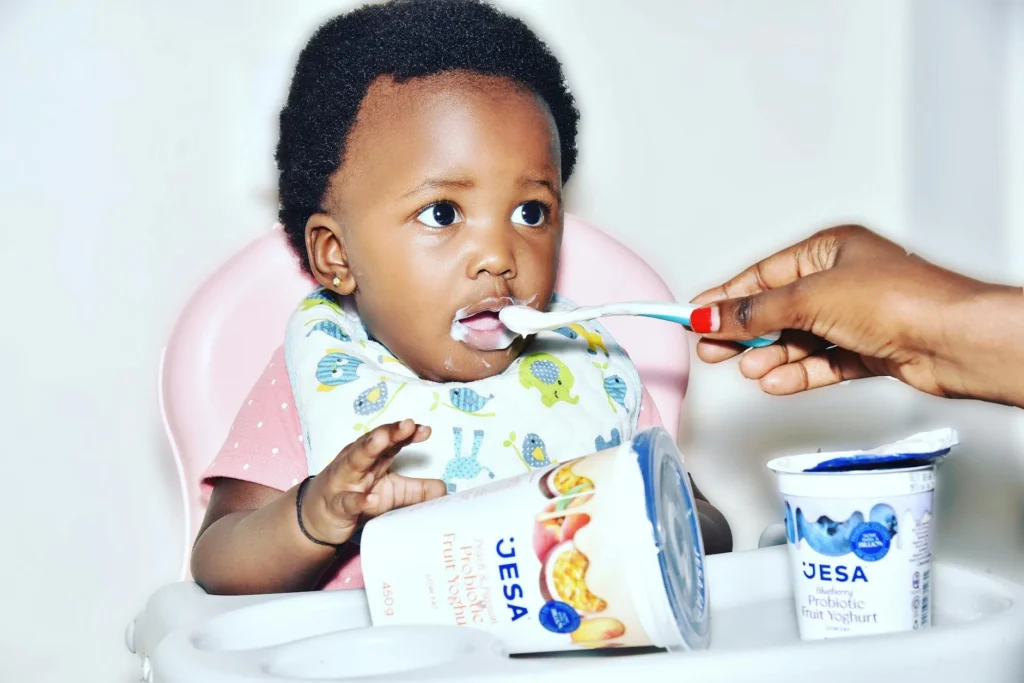
Is Your Baby Ready for Solids?
Around 6 months of age, most babies are developmentally ready to start solid foods. Look for these common signs:
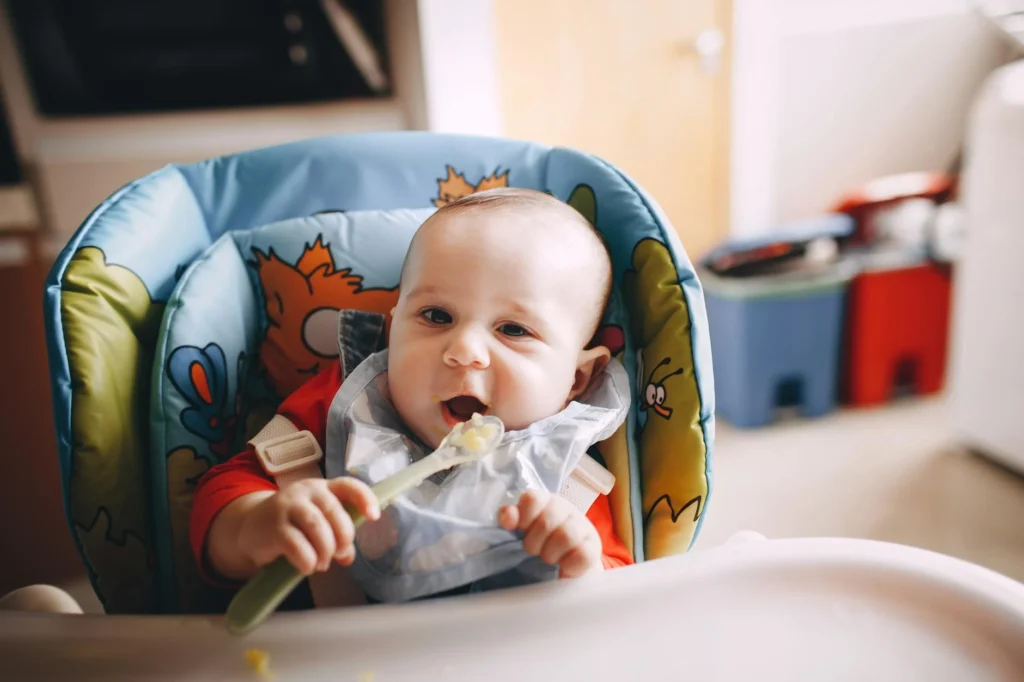
- Can sit up with minimal support and has good head control.
- Has lost the tongue-thrust reflex (doesn’t automatically push food out of their mouth).
- Shows interest in food, watching you eat, or reaching for food.
- Can pick up objects and bring them to their mouth.
Getting Started: What You’ll Need
Preparation can make the process smoother. Gather a few essentials:
- High Chair: A safe, secure place for meal times.
- Baby Spoons: Soft-tipped, small spoons are best for tiny mouths.
- Bibs: Lots of them! Solids can get messy.
- Small Bowls: For serving tiny portions.
- First Foods: Iron-fortified baby cereal, single-ingredient fruit or vegetable purees.
Your 7-Day Gentle Introduction Plan
The goal is to introduce one new food at a time, allowing a few days between new foods to watch for any reactions. Offer solids after your baby has had some breast milk or formula, so they’re not overly hungry but still receptive.
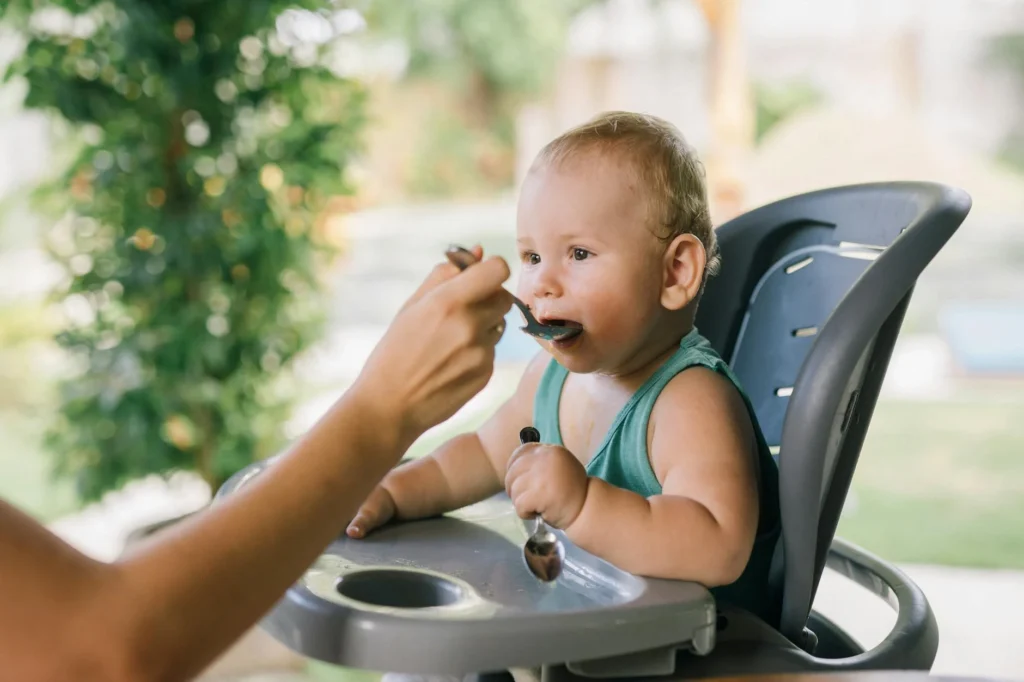
Day 1-2: Single-Grain Cereal
Start with a very thin, smooth mixture of iron-fortified rice or oat cereal mixed with breast milk or formula. Offer 1-2 teaspoons once a day. The taste is mild, and the texture is easy to manage. Don’t worry if most of it ends up on their chin!
Day 3-4: Single Vegetable Puree
If the cereal went well, introduce a single-ingredient vegetable puree. Think sweet potato, pureed peas, or carrots. Again, start with 1-2 teaspoons once a day. These offer new flavors and nutrients.
Day 5-6: Single Fruit Puree
Now, try a single-ingredient fruit puree like avocado, banana, or pureed pear. Many babies enjoy the natural sweetness of fruits. Continue offering small amounts once a day. Remember, no added sugar!
Day 7: Revisit or Introduce Another Single Food
You can either reintroduce a food your baby seemed to enjoy earlier in the week, or introduce another new single food, perhaps another vegetable like pureed butternut squash or green beans. Keep it simple and focused on single ingredients.
Important Tips for Your Feeding Journey
- Start Small: A teaspoon or two is plenty at first. Your baby is still getting most of their nutrition from breast milk or formula.
- Patience is Key: It’s a learning process. Some babies take to solids quickly, others need more time. Don’t force it.
- Watch for Cues: Pay attention to your baby’s hunger and fullness cues. If they turn away or close their mouth, they’re likely done.
- No Honey Under One Year: Never give honey to a baby under 12 months old due to the risk of infant botulism.
- Avoid Added Salt & Sugar: Babies don’t need added salt or sugar in their food. Their kidneys aren’t fully developed to handle excess salt, and sugar creates unhealthy eating habits.
- Allergy Awareness: Introduce new foods one at a time over a few days. This helps you identify potential allergens more easily. If you have a family history of allergies, discuss a plan with your pediatrician.
- Texture Matters: Begin with very smooth, thin purees. As your baby gets more experienced, you can gradually thicken the texture.
- Make it Fun: Mealtime should be a positive experience. Talk to your baby, describe the food, and don’t stress about the mess!
What to Watch For: Red Flags
While introducing new foods, keep an eye out for signs of allergic reactions. These can include:
- Hives or rash
- Swelling of the face, lips, or tongue
- Vomiting or diarrhea
- Difficulty breathing or wheezing
If you notice any of these symptoms, stop feeding the food immediately and contact your pediatrician or seek medical attention. For severe reactions, call emergency services.
Frequently Asked Questions About First Solids
How much should my baby eat?
At first, your baby might only eat a few teaspoons. The amount will gradually increase as they get older and more accustomed to solids. Let your baby guide you.
What if my baby refuses a food?
It’s common! Don’t push it. Try again another day, or reintroduce it later. It can take multiple exposures for a baby to accept a new food.
Can my baby have water?
Small sips of plain water from a cup are generally fine from 6 months of age, especially with solids. However, breast milk or formula should still be their primary source of hydration.
Enjoy this wonderful stage of discovery with your little one. Every bite is a step towards exploring a world of flavors and textures!
Note: Totals vary by provider, region, and part quality.
Images sourced from Pexels.