
Understanding Your Baby’s Temperature
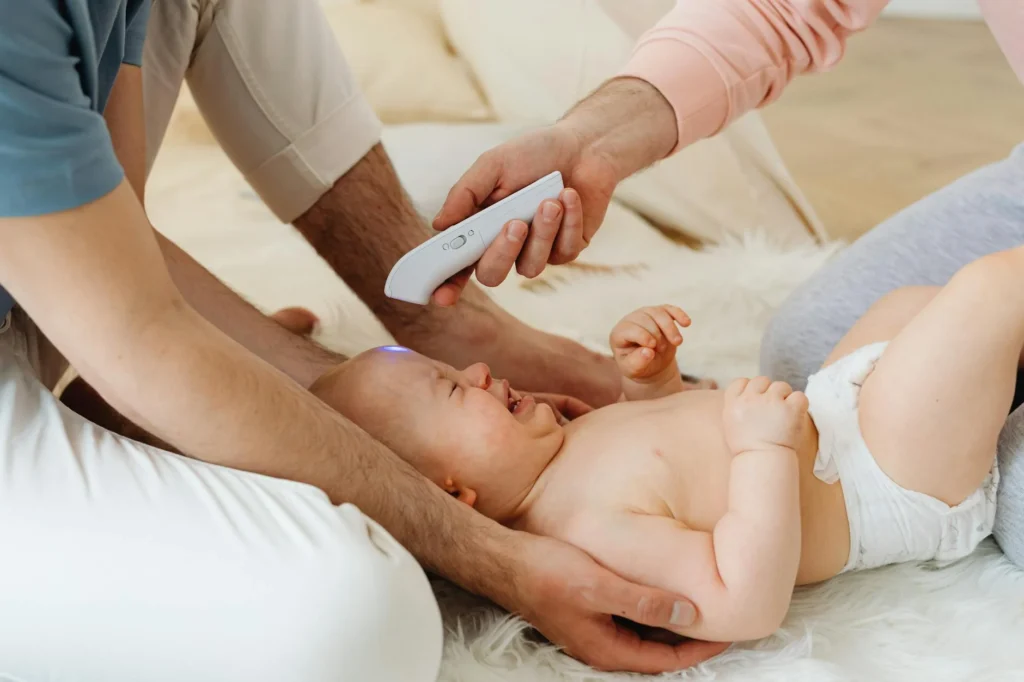
As a parent, knowing if your little one has a fever can be a worry. Taking their temperature correctly provides important information and can help you decide when to seek professional advice. It’s a key step in understanding your child’s well-being.
Why Taking a Temperature Matters
A fever often signals that your baby’s body is fighting off an infection. While not always a cause for alarm, especially in older children, a high temperature or a fever in a very young infant can be serious. Accurate temperature readings are crucial for monitoring their health and communicating effectively with your doctor.
Choosing the Right Thermometer and Method
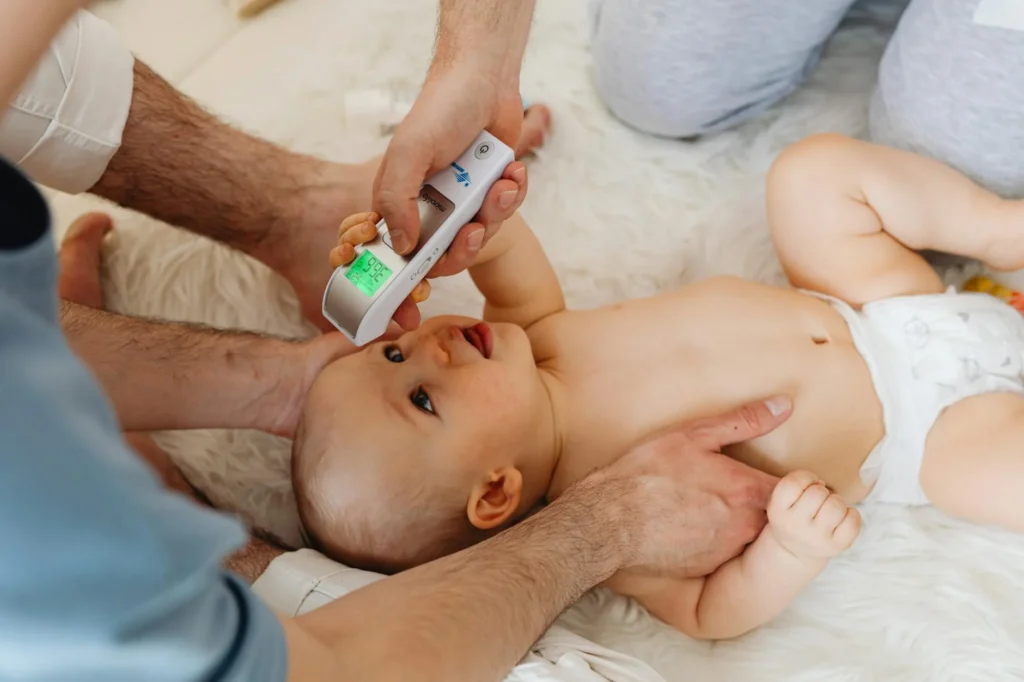
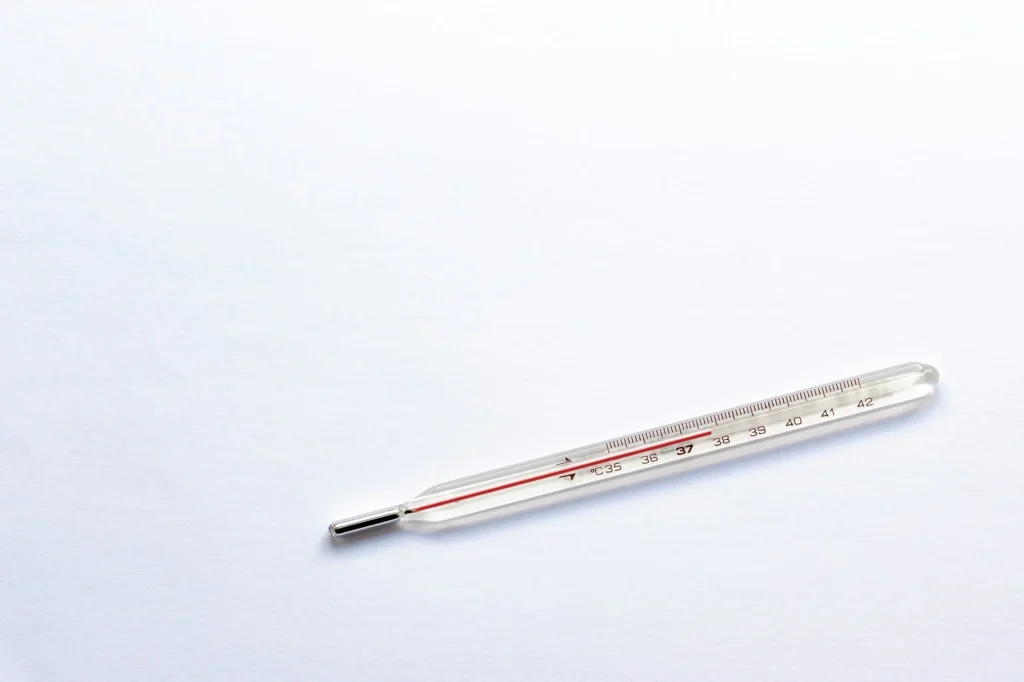
There are several types of thermometers available, each with its own benefits and accuracy levels. A reliable digital thermometer is generally recommended for infants and young children. Avoid old-fashioned mercury thermometers, as they are fragile and contain toxic mercury.

Rectal Temperature: Most Accurate for Infants
For babies under three months, a rectal temperature is considered the most accurate method. It reflects the body’s core temperature best.
- How to do it: Place a small amount of petroleum jelly on the tip of a clean digital thermometer. Lay your baby on their back with their legs raised, or on their stomach. Gently insert the tip about half an inch to one inch into the rectum. Hold it in place until it beeps (usually less than a minute).
- Safety tip: Never force the thermometer. Always clean it with rubbing alcohol or soap and water before and after use.
Armpit (Axillary) Temperature
An armpit temperature is a simple screening method but less accurate than a rectal reading. It’s often used for older babies or as an initial check.
- How to do it: Place the tip of a digital thermometer in a dry armpit. Hold your baby’s arm against their body to keep the thermometer in place. Wait for the beep.
- Note: If the armpit reading suggests a fever, it’s often wise to confirm with a more accurate method, especially for younger infants.
Oral Temperature: For Older Children
This method is suitable for children around four or five years old who can hold the thermometer under their tongue without biting it.
- How to do it: Place the tip of a digital thermometer under your child’s tongue towards the back of their mouth. Ask them to close their lips around it without biting. Wait for the beep.
- Safety tip: Ensure your child hasn’t had anything hot or cold to drink for at least 15 minutes prior, as this can affect the reading.
Forehead (Temporal Artery) Thermometer
These thermometers measure the temperature of the temporal artery on the forehead. They are convenient and non-invasive but can be less precise than rectal readings.
- How to do it: Follow the manufacturer’s instructions, typically by gently sweeping the thermometer across the forehead from one temple to the other.
Ear (Tympanic) Thermometer
Ear thermometers measure the temperature inside the ear canal. They can be quick but require proper placement and are generally recommended for babies over six months old.
- How to do it: Gently place the tip into the ear canal, aiming towards the opposite temple. Wait for the beep.
- Note: Earwax or improper placement can affect accuracy.
What’s Considered a Fever?
In general, a fever is defined as a rectal or ear temperature of 100.4°F (38°C) or higher. For armpit temperatures, 99°F (37.2°C) or higher might indicate a fever. However, the number isn’t the only factor. How your child looks and acts is often just as important as the exact temperature reading.
When to Contact a Healthcare Professional
It’s always best to trust your instincts. If you are ever concerned about your child’s health, don’t hesitate to reach out to your pediatrician or a healthcare professional. Here are some general guidelines for when to seek medical advice:
- Any baby under three months with a rectal temperature of 100.4°F (38°C) or higher.
- A child of any age with a temperature of 104°F (40°C) or higher.
- Fever accompanied by severe symptoms like difficulty breathing, a stiff neck, a rash, severe headache, inconsolable crying, or unusual lethargy.
- A fever that lasts more than three days, regardless of the child’s age.
- If your child seems unusually ill, appears dehydrated, or is not responding to fever-reducing measures.
Important Disclaimer
This information is for general guidance only and is not a substitute for professional medical advice. Always consult with a qualified healthcare professional for any health concerns or before making any decisions related to your child’s health and treatment.
Note: Totals vary by provider, region, and part quality.
Images sourced from Pexels.