
Welcome to another exciting stage in your baby’s journey! At 27 weeks old, which is just over 6 months, many babies are showing signs of readiness for solid foods. This is a big milestone, and it often brings up questions about the best approach: should you go with baby-led weaning (BLW) or traditional purees? Let’s explore both, along with essential safety considerations.
What changes now?
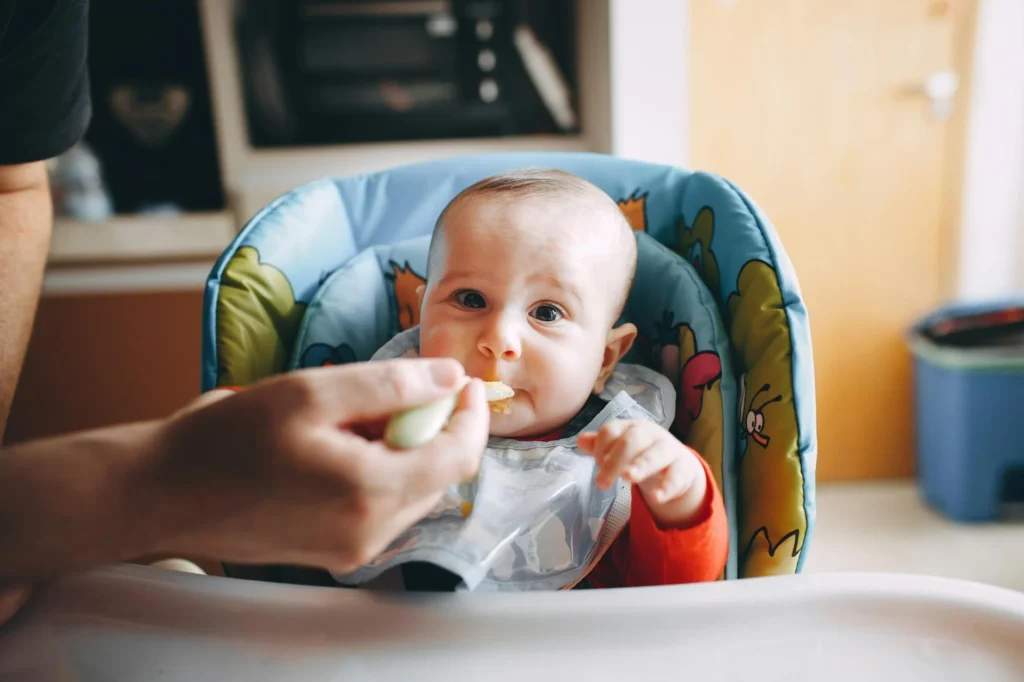
Around 27 weeks, your little one is becoming more aware of their surroundings and developing rapidly. They might be sitting up with support, reaching for objects with better coordination, and possibly even showing interest in what you’re eating. These are often key indicators that they might be ready to start their food adventure.

Sleep
Sleep patterns for a 27-week-old can vary widely. Some babies might be settling into a more predictable rhythm of a few naps during the day and longer stretches at night, while others might still have frequent wake-ups. Growth spurts, developmental leaps, or even starting solids can sometimes temporarily shift sleep habits. Consistency in routines often helps, but remember that every baby is unique.
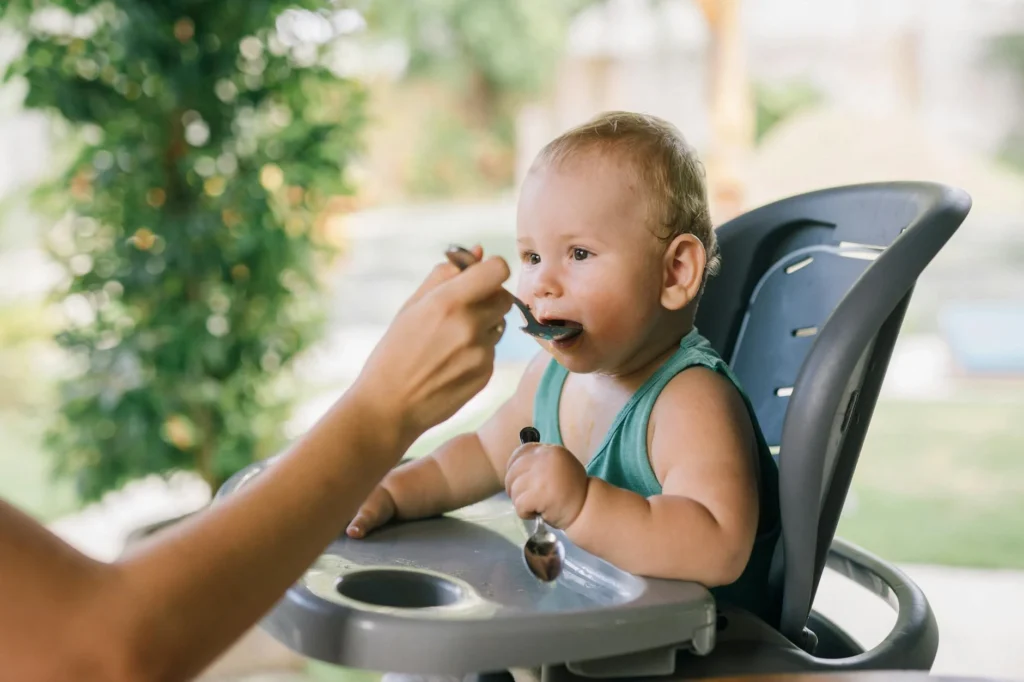
Feeding: BLW vs Purees & Safe Basics
Starting solids is a big step! Whether you choose baby-led weaning, purees, or a combination of both, the goal is to introduce a variety of nutrients and textures while keeping safety paramount.
Baby-Led Weaning (BLW)
BLW involves offering your baby appropriately sized pieces of solid food and letting them self-feed. It encourages exploring textures, developing fine motor skills, and regulating their own intake. Your baby needs to be able to sit unsupported, have good head control, and show interest in food.
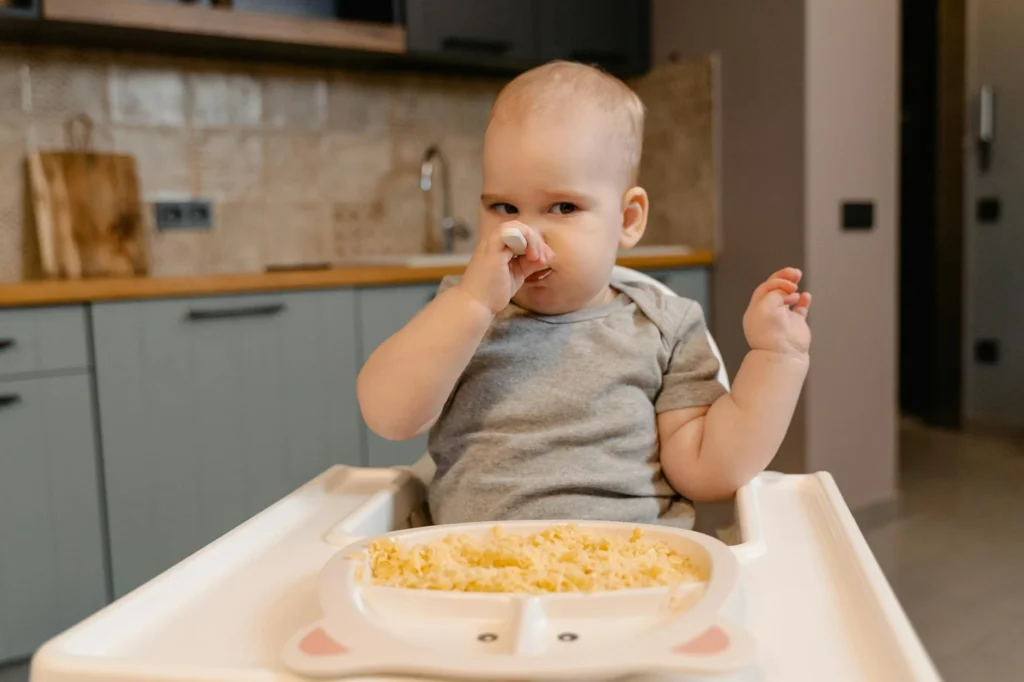
- What it looks like: Offering soft cooked vegetables (like sweet potato sticks, broccoli florets), fruit pieces (banana, soft pear), or strips of toast.
- Benefits: Promotes independence, develops chewing skills, familiarizes baby with family meals.
- Considerations: Can be messy, requires vigilance for choking hazards, and you might not know exactly how much your baby is eating.
Purees
This traditional method involves spoon-feeding your baby smooth, blended foods. It’s often seen as a gentle introduction to solids, allowing you to control textures and ensure they are getting enough food.
- What it looks like: Spoon-feeding single-ingredient purees like rice cereal, fruit purees (apple, pear), or vegetable purees (carrot, butternut squash).
- Benefits: Less mess, easier to track intake, introduces flavors gradually.
- Considerations: Might require a transition to lumpier textures later, less emphasis on self-feeding from the start.
Key Safety Notes for All Feeding Methods:
- No Honey: Never give honey to a baby under one year old due to the risk of infant botulism.
- No Added Salt or Sugar: Babies do not need added salt or sugar. Their kidneys are still developing, and excess salt can be harmful. Sugar offers no nutritional value and can lead to unhealthy preferences.
- Allergy Introduction: Introduce new foods one at a time, waiting a few days between new foods to easily identify any potential allergic reactions. Always consult your pediatrician if you have concerns about allergies.
- Choking Hazards: Avoid small, hard, round, or sticky foods. Examples include whole grapes, nuts, popcorn, hot dogs, large chunks of meat, and spoonfuls of peanut butter. Always cut food into appropriate, safe sizes.
- Supervision is Crucial: Always stay with your baby and actively supervise them during mealtimes, regardless of the feeding method.
- General Information: This information is for general guidance only and is not medical advice. Always consult with your pediatrician or a healthcare professional for personalized advice regarding your baby’s nutrition and health concerns. If you notice any signs of choking, difficulty breathing, rash, swelling, or severe discomfort, seek immediate medical attention.
Play & Development
At 27 weeks, playtime is becoming more interactive and engaging. Your baby might be rolling over proficiently, pushing up on their arms, and perhaps even attempting to crawl. Offer opportunities for tummy time and floor play to strengthen muscles. They’re also likely babbling more, trying to imitate sounds, and enjoying games like peek-a-boo. Reading short board books together is a wonderful way to encourage language development.
Practical Tips
- Embrace the Mess: Starting solids, especially with BLW, is messy. Cover the floor with a mat or newspaper and don’t stress about spilled food – it’s part of the learning process!
- Observe Readiness Cues: Pay attention to your baby’s cues. Are they reaching for food? Opening their mouth when offered a spoon? Turning away when full?
- Be Patient: Learning to eat solids is a marathon, not a sprint. Some babies take to it quickly, others need more time. Breast milk or formula remains their primary source of nutrition at this stage.
- Stay Hydrated: Offer small sips of water in an open cup or straw cup during mealtimes, especially as they start solids.
Short FAQ
Q: How much solid food should my 27-week-old eat?
A: At this stage, solid food is primarily for exploration and practice. Breast milk or formula is still their main source of nutrition. Start with small amounts, perhaps a teaspoon or two, and let your baby guide how much they want.
Q: What are common signs of an allergic reaction to food?
A: Signs can include hives, rash, facial swelling, vomiting, diarrhea, difficulty breathing, or sudden fussiness. If you suspect an allergic reaction, stop the food and contact your pediatrician immediately.
Q: Can I combine BLW and purees?
A: Absolutely! Many parents find success with a combination approach, offering purees some meals and finger foods at others. This allows babies to experience a range of textures and feeding styles.
Disclaimer: The information provided in this article is for general knowledge and informational purposes only, and does not constitute medical advice. It is essential to consult with a qualified healthcare professional, such as your pediatrician, for any health concerns or before making any decisions related to your baby’s health or care.
Note: Totals vary by provider, region, and part quality.
Images sourced from Pexels.