
The Big Step: Starting Solids
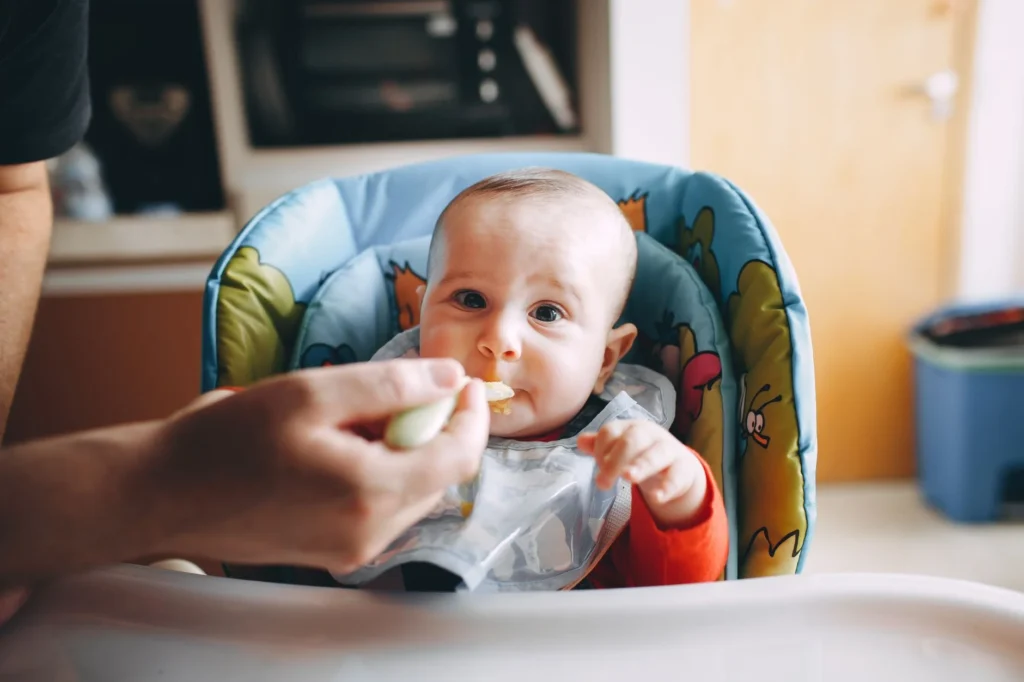
Beginning solid foods marks an exciting milestone in your baby’s development! It’s a journey of discovery, tastes, and textures for them, and a new adventure for you as a parent. This isn’t just about nutrition; it’s about exploring new experiences and building healthy eating habits from the start.
Is Your Little One Ready? Signs to Watch For
Knowing when to start is key. While many babies begin showing readiness around six months, every child develops at their own pace. Look for these signs:
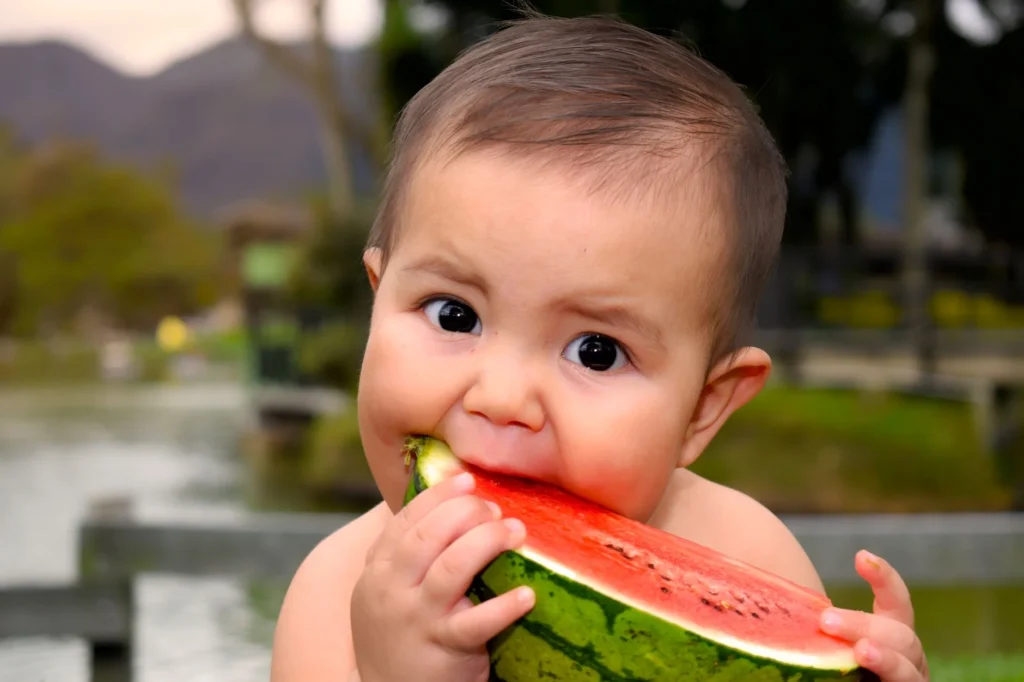
- They can sit up well with little or no support.
- They have good head and neck control.
- They show significant interest in food – perhaps watching you eat, reaching for your plate, or opening their mouth when food is near.
- They’ve lost the “tongue-thrust” reflex, which pushes food out of their mouth.
It’s always a good idea to chat with your pediatrician about the best timing for your individual baby.

First Bites: What to Offer
Once you see those readiness cues, it’s time to think about what delicious, nutritious foods to introduce.
Getting Started: Purees, Mashes, and More
You can begin with smooth purees of single-ingredient foods like sweet potato, avocado, banana, or iron-fortified infant cereal. As your baby gets more comfortable, gradually introduce thicker textures and finely mashed foods. Many families also explore baby-led weaning, offering soft, appropriately sized pieces of food for the baby to self-feed from the start. Both approaches, or a combination, can work wonderfully!

Nutrient Powerhouses: Focusing on Iron
Around six months, a baby’s iron stores, built up during pregnancy, start to deplete. This makes iron-rich foods incredibly important. Think iron-fortified infant cereals, pureed meats (like chicken or beef), lentils, and well-cooked, pureed beans. Pairing these with foods high in Vitamin C (like sweet potatoes or broccoli) can help boost iron absorption.
The “How To”: Introducing Foods Safely and Smoothly
The journey of solids is more about exploration than consumption at first. Here’s how to make it a positive experience.
One Food at a Time
When introducing a new food, offer it for a few days before trying another new one. This approach helps you identify any potential sensitivities or allergies more easily. Start with small amounts – a teaspoon or two – and gradually increase as your baby shows interest.
Making Mealtimes Enjoyable
Sit with your baby during meals and make it a calm, positive experience. Let them explore the food with their hands (it’s messy, but great for development!). Follow your baby’s cues for hunger and fullness; don’t force them to eat more than they want. Remember, breast milk or formula remains their primary source of nutrition for the first year.
Foods to Approach with Caution (or Avoid Entirely!)
The “No-Go” List: Honey, Salt, and Sugar
There are a few important items to keep off your baby’s plate for safety and health reasons:
- Honey: Absolutely no honey for babies under one year of age. It can contain spores that cause infant botulism, a serious illness.
- Added Salt and Sugar: Avoid adding salt and sugar to your baby’s foods. Their kidneys are still developing and can’t process excess salt. Added sugar isn’t needed and can lead to unhealthy preferences later on.
Allergy Awareness: Introducing Common Allergenic Foods
Introducing common allergens can feel daunting, but current recommendations suggest introducing them early and regularly, one at a time, to help prevent allergies. Common allergens include peanuts, tree nuts, eggs, milk, wheat, soy, fish, and shellfish. Talk to your healthcare provider for personalized guidance on introducing these foods, especially if there’s a family history of allergies.
Choking Hazards: Keeping Mealtimes Safe
Always supervise your baby during meals. Cut foods into very small, manageable pieces. Avoid whole grapes, nuts, large chunks of meat, hot dogs, hard candies, and popcorn, which are common choking hazards for little ones.
When to Connect with a Healthcare Professional
While introducing solids is generally straightforward, it’s wise to reach out to your pediatrician or a registered dietitian if you have concerns about:
- Severe allergic reactions (hives, swelling, difficulty breathing).
- Persistent refusal of solids.
- Significant weight gain or loss.
- Concerns about your baby’s growth or nutrient intake.
- Difficulty with textures or swallowing.
Important Disclaimer
This information is intended for general guidance only and is not a substitute for professional medical advice. Always consult with a qualified healthcare provider for any health concerns or before making any decisions related to your child’s health and feeding plan.
Images sourced from Pexels.