
Important Note: This information is for general knowledge and informational purposes only, and does not constitute medical advice. Always consult with a qualified healthcare professional for any health concerns or before making any decisions related to your child’s health or diet.
Embracing First Bites: Baby-Led Weaning Wonders
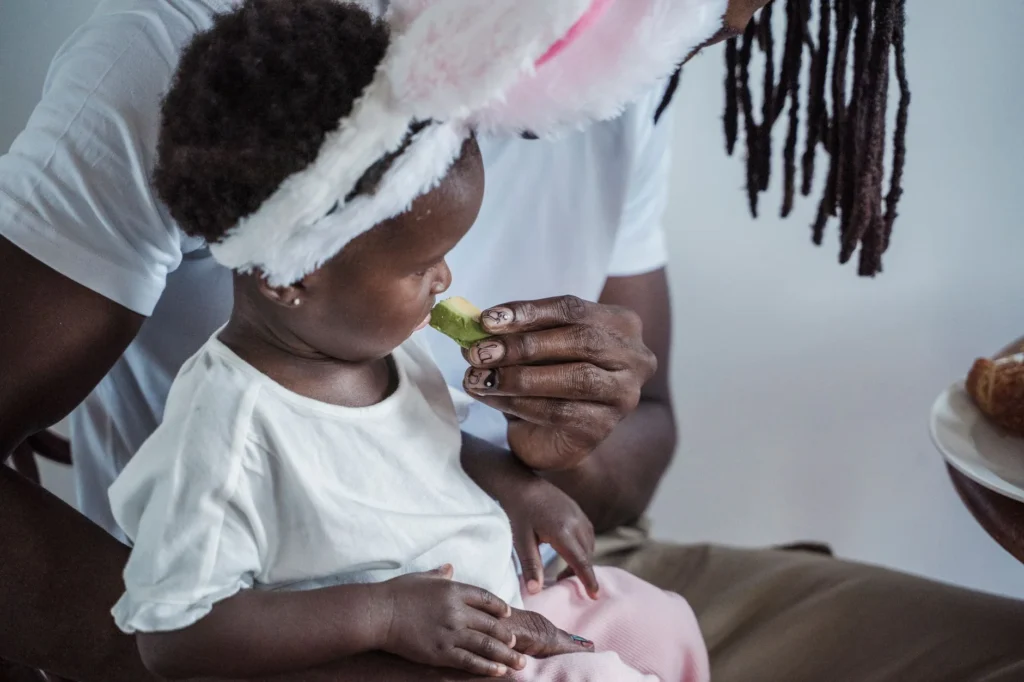
Starting solids is a big adventure! Baby-led weaning (BLW) invites your little one to take the lead, exploring textures and tastes independently. It’s less about spoons and purees, and more about offering appropriate finger foods and letting your baby self-feed from the get-go. This approach can be incredibly rewarding, fostering fine motor skills and a positive relationship with food.
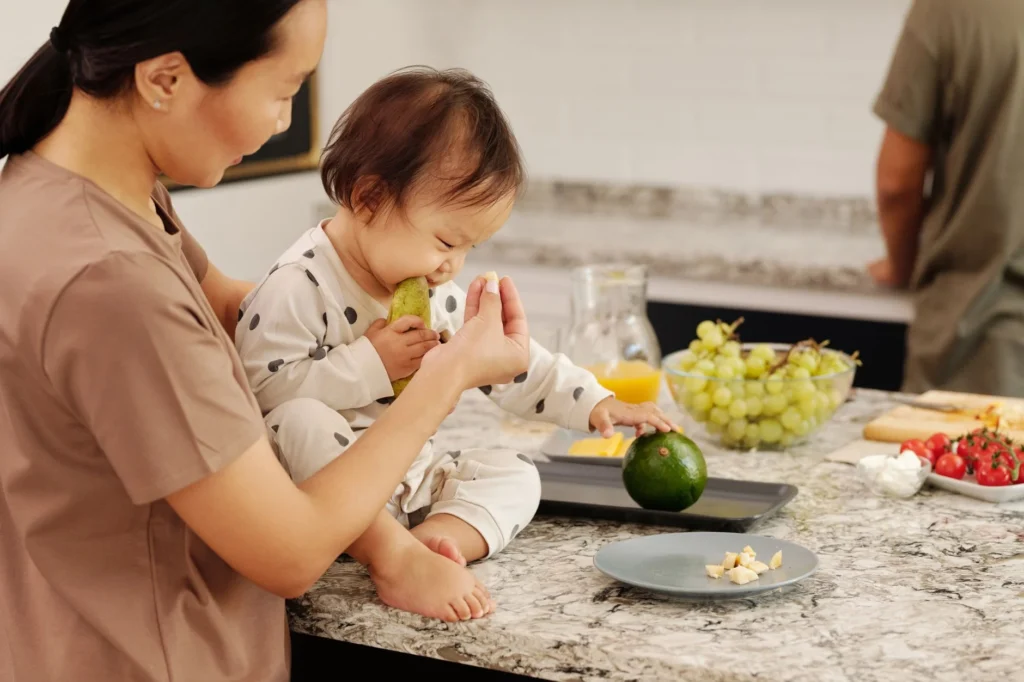
Who Baby-Led Weaning Suits
BLW is generally suitable for babies who:
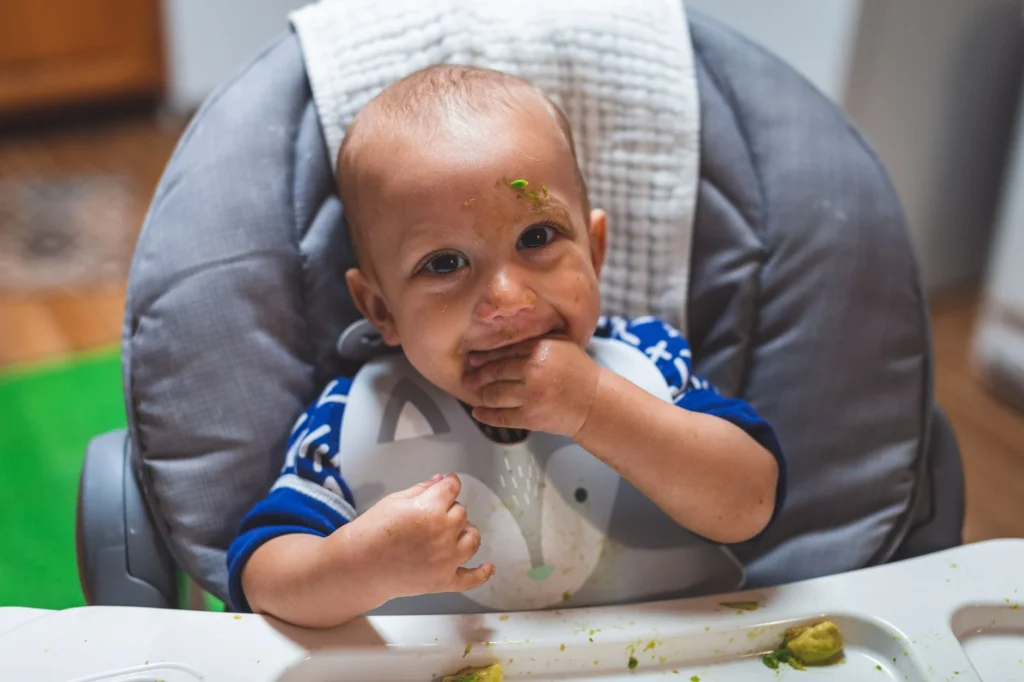
- Are at least six months old and showing signs of readiness (sitting unassisted, good head and neck control, reaching for food).
- Have lost the tongue-thrust reflex.
- Can grasp objects and bring them to their mouth.
If you’re unsure if BLW is right for your baby, a chat with your healthcare provider can offer clarity and personalized guidance.
Simple & Nutritious Finger Food Recipes
Here are some easy-to-prepare, nutrient-packed ideas perfect for tiny hands learning to explore.
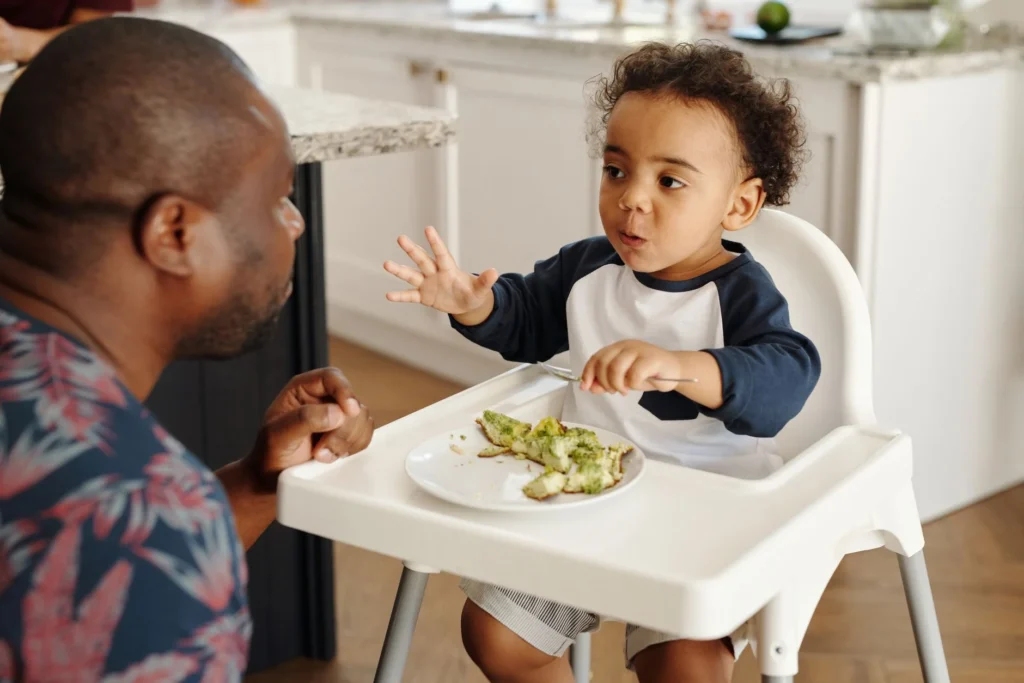
Soft Avocado Sticks
Avocado is a fantastic first food, offering healthy fats and a creamy texture. It’s easy for babies to grip and mash.
Ingredients:
- 1 ripe avocado
Steps:
- Wash the avocado.
- Cut the avocado in half, remove the pit.
- Peel away the skin.
- Cut the avocado halves into finger-length sticks, about the size of two adult fingers (so a portion sticks out of baby’s fist).
- Serve immediately.
Storage & Serving:
Serve fresh. Leftovers can be stored in an airtight container with a squeeze of lemon juice (if baby is over six months and has been introduced to citrus) to prevent browning, though fresh is best. Always supervise closely while baby eats.
Steamed Sweet Potato Spears
Sweet potatoes are naturally sweet, full of vitamins, and become wonderfully soft when cooked, making them ideal for new eaters.
Ingredients:
- 1 medium sweet potato
Steps:
- Wash and peel the sweet potato.
- Cut into finger-length spears, similar in size to the avocado sticks.
- Steam the spears until very soft, easily mashed between your fingers (about 10-15 minutes).
- Allow to cool completely before serving.
Storage & Serving:
Store cooked spears in an airtight container in the refrigerator for up to two days. Reheat gently or serve at room temperature. Always check the temperature before offering to your baby.
Mashed Banana Boats
A classic for a reason! Bananas are soft, sweet, and don’t require any cooking.
Ingredients:
- 1 ripe banana
Steps:
- Peel the banana.
- Cut it in half or into thirds.
- Optionally, slice each piece lengthwise to make it easier for smaller hands to grasp if baby is just starting.
- You can leave a small portion of the peel on one end to act as a “handle” for baby to hold.
Storage & Serving:
Serve fresh. Bananas brown quickly once peeled. Always supervise.
Soft-Cooked Broccoli Florets
Introducing green vegetables early is a great idea. Broccoli offers great nutrition and a fun texture when cooked properly.
Ingredients:
- A few small broccoli florets
Steps:
- Wash the broccoli florets well.
- Steam until very soft, almost mushy, easily squished between your fingers (about 5-8 minutes depending on size).
- Ensure the florets are small enough for baby to manage, with the stem acting as a handle.
- Cool completely before serving.
Storage & Serving:
Store cooked florets in an airtight container in the refrigerator for up to two days. Reheat gently or serve at room temperature. Ensure they are still very soft before offering.
Important Safety Notes for Feeding
Safety is paramount when introducing solids. Always prioritize a safe eating environment.
- No Honey for Infants: Never give honey to babies under one year of age due to the risk of infant botulism.
- Avoid Added Salt and Sugar: Babies’ kidneys aren’t fully developed to handle excess salt, and sugar offers no nutritional benefit. Keep recipes plain.
- Choking Hazards: Always be mindful of choking hazards. Avoid whole grapes, whole nuts, popcorn, hot dogs, large chunks of meat or cheese, and sticky candies. Always cut round foods (like grapes or cherry tomatoes) lengthwise into quarters. Ensure foods are soft enough to mash between your gums.
- Allergy Introductions: When introducing new foods, offer them one at a time over a few days. This helps you identify potential allergic reactions more easily. Watch for symptoms like hives, swelling, vomiting, diarrhea, or difficulty breathing. If you suspect an allergic reaction, stop the food and contact a healthcare professional immediately.
- Constant Supervision: Never leave your baby unattended while eating. Be present and attentive to ensure a safe eating experience.
- Comfortable Seating: Ensure your baby is sitting upright in a high chair or booster seat, securely strapped in, to minimize choking risks.
This information is for general guidance only. For specific concerns about your baby’s diet or health, please consult your pediatrician or a registered dietitian.
Images sourced from Pexels.