
Embracing Baby-Led Weaning: A Gentle Start to Solids
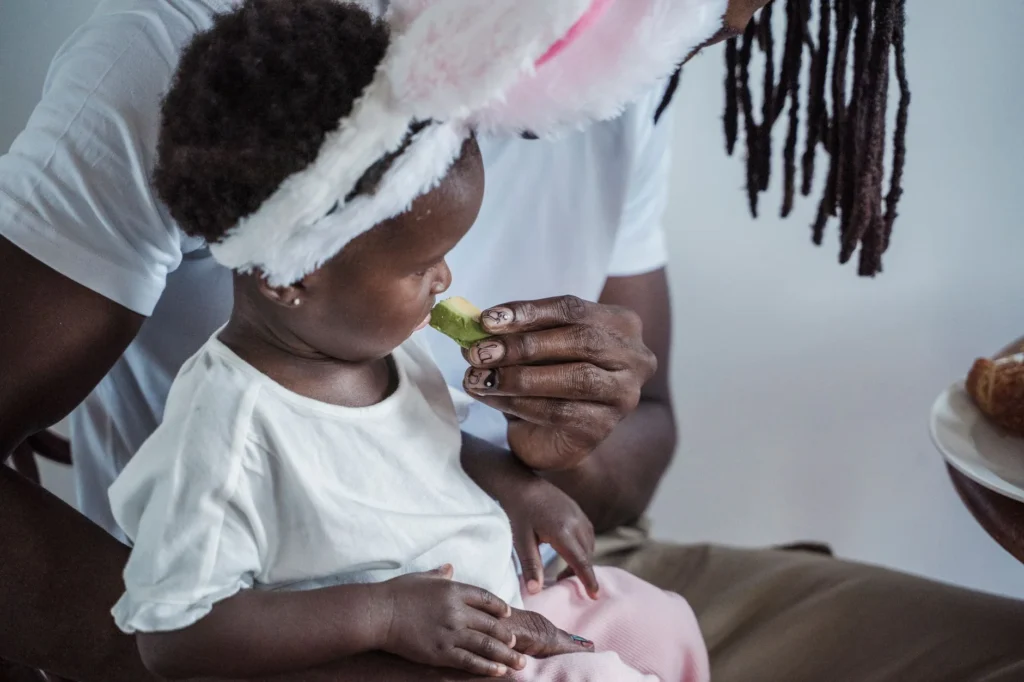
Starting solids is a big milestone! For many families, baby-led weaning (BLW) offers a wonderful, intuitive approach. Instead of spoon-feeding purees, BLW encourages babies to explore and self-feed finger foods right from the start. It’s all about letting your little one lead the way, fostering independence and a positive relationship with food.
Who Baby-Led Weaning Suits Best
BLW is a fantastic option for babies who show clear signs of readiness for solid foods. This method works well for infants who are developmentally ready to sit up unassisted, have good head and neck control, and have lost their tongue-thrust reflex (meaning they don’t automatically push food out of their mouth). They should also show genuine interest in food, perhaps by reaching for what you’re eating. It’s a messy, but often very rewarding, journey!
Getting Started: Your Baby’s First Food Choices
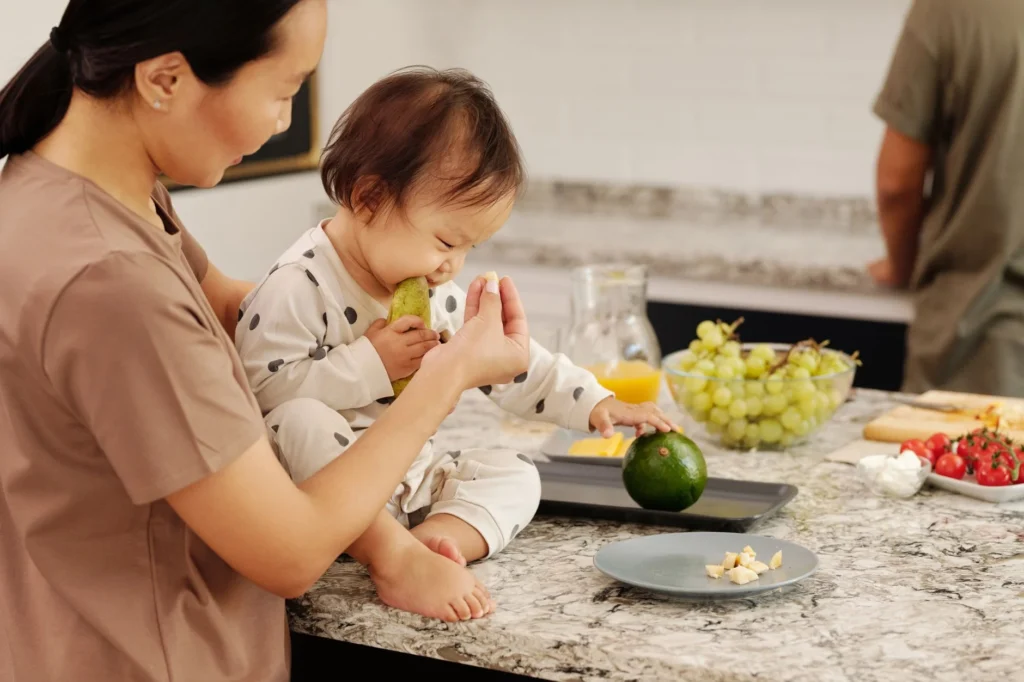
When introducing solids via BLW, focus on foods that are soft enough to be easily mashed by gums but firm enough for tiny hands to grasp. Offer them in stick or spear shapes, about the size and length of your adult finger, to make them easy for your baby to hold while a portion sticks out to be nibbled.
Simple, Safe First Foods:
- Soft-Cooked Vegetables: Steamed sweet potato, carrot, broccoli florets, or green beans are excellent choices. Ensure they are tender enough to be easily squashed between your fingers.
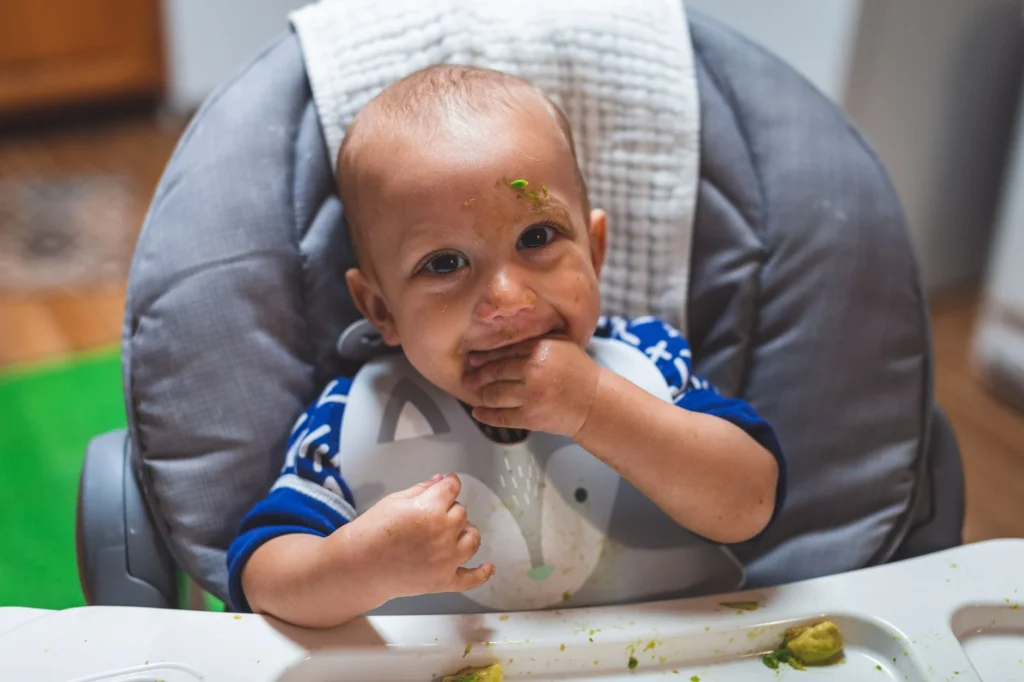
- Ripe Fruits: Avocado slices, banana (peeled but left as a whole piece for them to hold), or soft, ripe pear wedges are great. Remember to cut small, round fruits like grapes and cherry tomatoes lengthwise into quarters to prevent choking.
- Grains: Lightly toasted bread or toast crusts (without added salt or sugar) can be offered as strips. You can spread a very thin layer of sugar-free, unsalted nut butter (checking for allergies first) or mashed fruit.
- Proteins: Small strips of well-cooked, tender meat (like chicken or beef), flakes of cooked fish (ensure no bones), or soft scrambled egg pieces are also suitable.
Important Safety Notes for Baby-Led Weaning
Your baby’s safety is always the top priority. Introducing solids should be an enjoyable experience, but it requires careful attention.
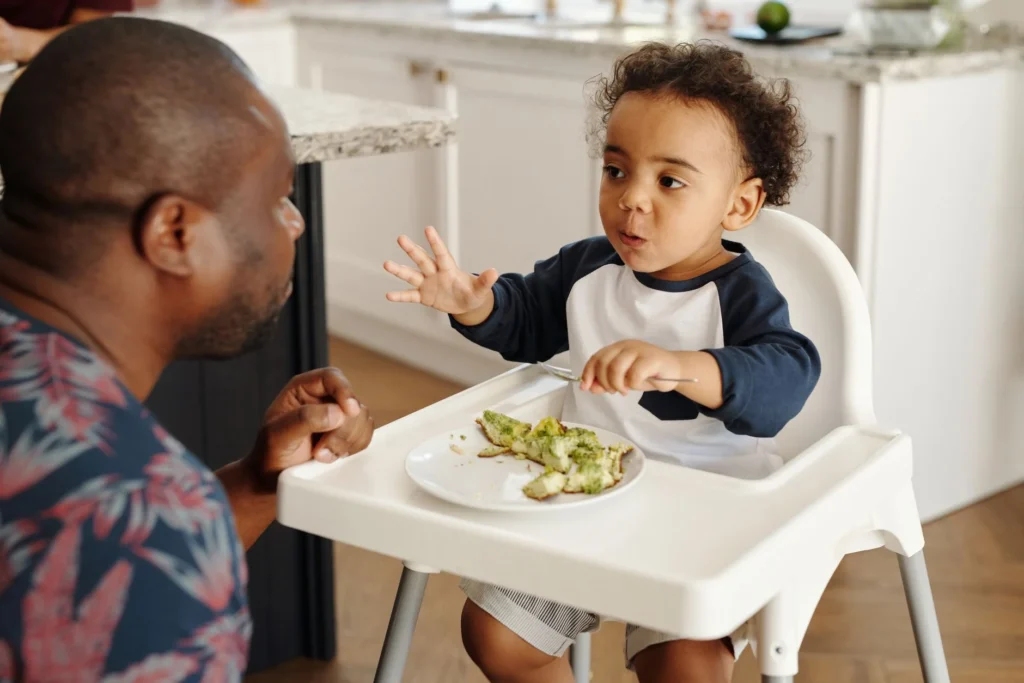
- Supervise Constantly: Always be present and attentive while your baby is eating. Never leave them unattended with food.
- Proper Seating: Ensure your baby is sitting upright in a high chair or on your lap, fully supported, to minimize choking risks.
- Avoid Choking Hazards: Steer clear of small, hard, or round foods that can easily block a baby’s airway. This includes whole nuts, popcorn, whole grapes, hot dogs, large chunks of meat, and hard candies. Always prepare food in appropriate sizes and textures.
- No Honey Under One Year: Never give honey to infants under one year old due to the risk of infant botulism.
- Skip Added Salt and Sugar: Babies’ kidneys aren’t fully developed to handle excess salt, and sugar offers no nutritional benefit. Avoid adding them to your baby’s food.
- Introducing Allergens: When introducing potential allergens (like eggs, dairy, peanuts, or wheat), offer them one at a time, in small amounts, and over a few days. This helps you monitor for any adverse reactions. If you have concerns about allergies, speak with your pediatrician.
Storage and Serving Tips
Prepare fresh food for each meal whenever possible. If you cook a batch of soft vegetables, store cooled leftovers in an airtight container in the refrigerator for a day or two. When serving, offer a small selection of foods on a clean tray or plate. Allow your baby to explore, squish, and taste at their own pace. Mess is a sign of engagement and learning!
Important Disclaimer: This information is for general guidance only and not a substitute for professional medical advice. Always consult your pediatrician for personalized advice regarding your baby’s health and feeding journey. If your baby shows signs of a severe allergic reaction (such as difficulty breathing, swelling, or widespread rash) or choking, seek immediate medical attention.
Images sourced from Pexels.