
Your baby is bustling with new discoveries at 30 weeks old! This age, roughly seven months, brings an explosion of motor skills, budding communication, and a deep curiosity about the world around them. While it might feel like you need an endless supply of gadgets to keep them entertained, many parents are finding joy and benefit in a ‘less toys, better play’ approach. It’s about quality interaction, fostering creativity, and making the most of everyday moments.
What Changes Now?
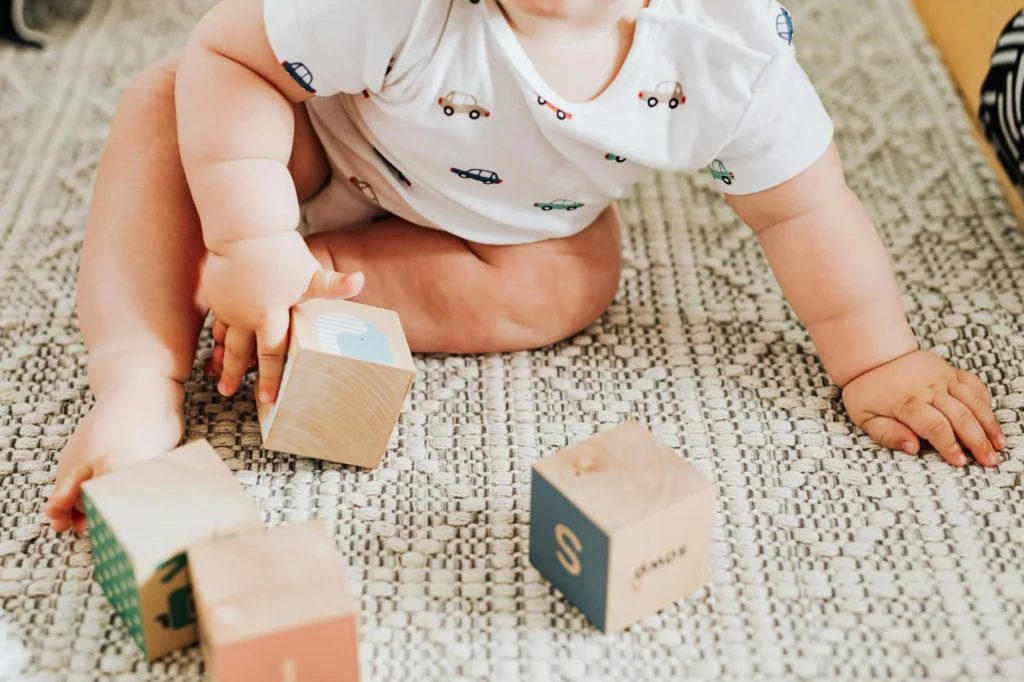
At 30 weeks, your little one is likely a whirlwind of activity and learning. Here’s a peek at some common developments:
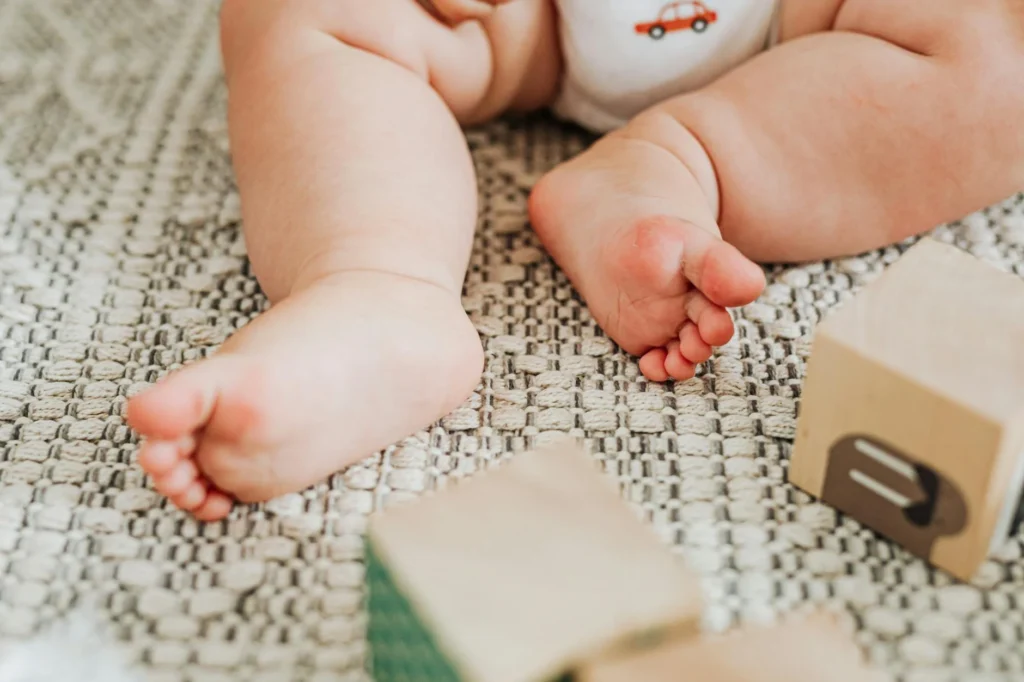
- On the Move: Many babies at this stage are sitting confidently without support, often for extended periods. You might see them attempting to crawl, scoot, or even pulling themselves up to stand using furniture. Their hand-eye coordination is sharpening, making them adept at transferring objects from one hand to the other.
- Cognitive Leaps: Object permanence is really taking hold – they understand that something still exists even if they can’t see it, making games like peek-a-boo utterly delightful. They’re exploring cause and effect, realizing that shaking a rattle makes noise or dropping a toy gets a reaction.
- Chatty Babblers: Expect a symphony of ‘dada,’ ‘mama,’ ‘baba,’ and other consonant-vowel combinations. They’re starting to respond to their name and might try to imitate sounds they hear.
- Social Butterflies: They’re becoming more expressive with their emotions, showing excitement, frustration, and affection. Stranger awareness might emerge, and they’ll likely adore interactive games and spending time with their favorite people.
Sleep
Sleep patterns can vary widely, but a 30-week-old baby typically needs around 12-15 hours of sleep total, usually broken into 2-3 naps during the day and longer stretches at night. Establishing a consistent bedtime routine – think bath, book, cuddle – can work wonders for signaling it’s time to wind down. Some babies might experience a sleep regression around this age due to developmental milestones or teething; consistency and patience are your best tools.
Feeding
Solid food exploration is in full swing! Your baby is likely enjoying a variety of purees, mashed foods, and soft finger foods. This is a fantastic time to introduce different textures and flavors, encouraging their palate development and self-feeding skills.
- Offer small, soft pieces of food that are easy to pick up and gum, like cooked sweet potato sticks, soft fruit chunks, or well-cooked pasta.
- Remember to introduce new foods one at a time, waiting a few days between each new addition to watch for any allergic reactions.
- Safety Note: Honey should never be given to babies under one year old due to the risk of infant botulism. It’s also best to avoid adding extra salt or sugar to your baby’s food.
Play & Development: Less Toys, Better Play!
This approach isn’t about deprivation; it’s about intentionality. A minimalist play setup encourages deeper engagement, fosters creativity, and helps your baby learn to entertain themselves by exploring their environment and imagination.
Curating Their Play Space
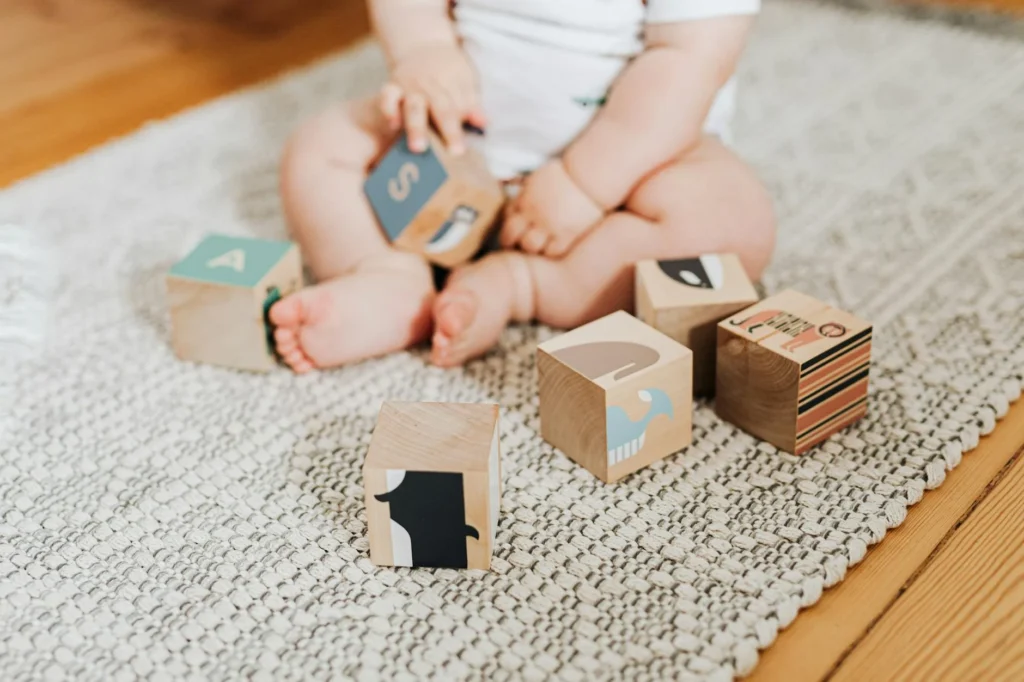
Instead of a mountain of plastic, think about a few carefully selected items. Rotate toys every week or two to keep things fresh and interesting. A designated, safe play area on the floor is ideal, allowing them freedom to move and explore. Childproofing becomes even more crucial as they become mobile – think outlet covers, securing furniture, and gating off stairs.
The Magic of Everyday Objects
Your home is a treasure trove of play possibilities! Simple items can often be more engaging than sophisticated toys because they allow for open-ended play, inviting your baby to imagine and discover without prescribed rules. Here are some ideas:
- Kitchen Wonders: A wooden spoon, a small pot or pan (supervised, of course!), plastic measuring cups, or even a whisk can become fascinating tools for banging, scooping, and exploring sounds.
- Sensory Bins (Simple Version): A basket with a few colorful scarves, some crinkly fabric, or even a large, empty tissue box can offer tactile and visual stimulation.
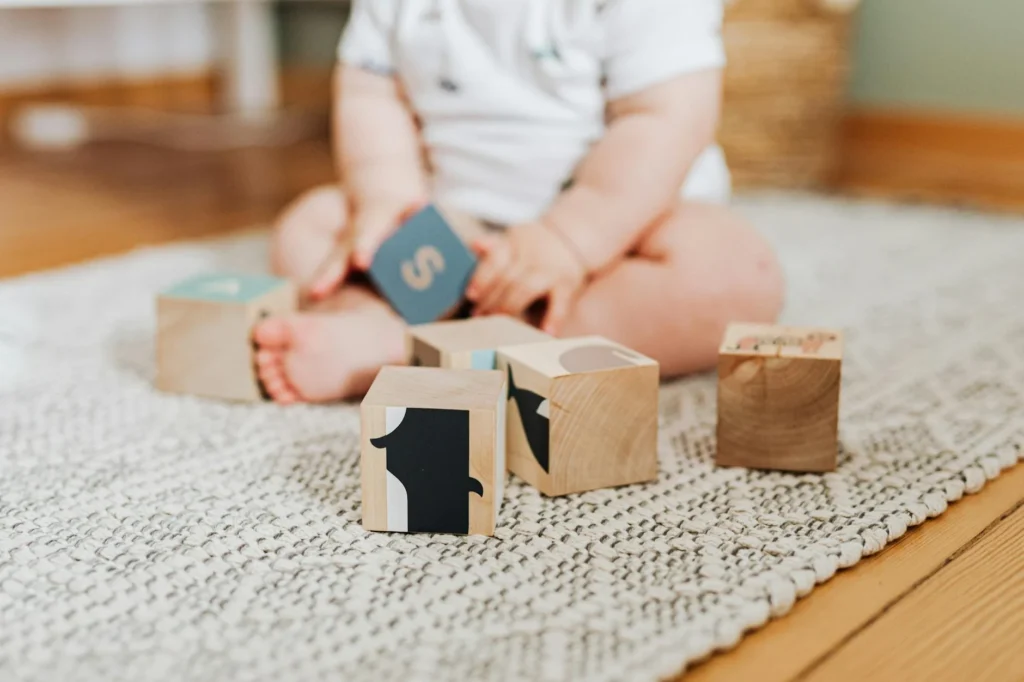
- Blocks & Stacking Cups: These classics never go out of style. They promote fine motor skills, problem-solving, and understanding spatial relationships.
- Books: Sturdy board books with bright pictures and different textures are wonderful for encouraging early literacy and language development.
Encouraging Exploration
The best ‘toy’ for your 30-week-old is often you! Interact with them during play. Narrate what they’re doing, sing songs, make funny faces, and engage in back-and-forth babbling. Allow them safe opportunities to explore different textures, temperatures (within reason), and environments. Floor time is incredibly important for developing their gross motor skills and independence.
Practical Tips for Parents
- Embrace the Mess: Learning often involves a bit of chaos. Whether it’s food on the floor or toys strewn about, try to see it as a sign of active engagement and exploration.
- Follow Their Lead: Observe what truly captures your baby’s attention. Are they fascinated by reflections? The sound of rustling paper? Their own feet? Lean into those natural curiosities.
- Stay Flexible: Every baby is unique. What works for one might not work for another. Be open to adapting your approach as your baby grows and changes.
When to Chat with Your Pediatrician
This information is for general knowledge and educational purposes only, and is not a substitute for professional medical advice, diagnosis, or treatment. Always seek the advice of your physician or other qualified health provider with any questions you may have regarding a medical condition.
While babies develop at their own pace, it’s always wise to discuss any concerns with your pediatrician. Contact them if your 30-week-old baby:
- Isn’t bearing some weight on their legs.
- Doesn’t babble or make a variety of sounds.
- Doesn’t respond to their name.
- Shows a loss of previously acquired skills.
- Seems unusually stiff or floppy.
Common Questions
How long should my 30-week-old baby play at one time?
Babies at this age have short attention spans. Aim for several short play sessions throughout the day, perhaps 10-20 minutes each, rather than one long one. Follow your baby’s cues; if they seem bored or fussy, it’s time for a change of activity or a break.
Are ‘educational’ toys necessary for development?
Not necessarily. While some educational toys can be beneficial, many of the best learning experiences come from open-ended play with simple objects and, most importantly, interaction with caregivers. Imagination, problem-solving, and creativity often flourish more with fewer, simpler items.
How can I encourage my baby’s development without buying many toys?
Focus on interaction! Talk, sing, read, and play simple games like peek-a-boo. Provide opportunities for safe exploration of everyday items and textures. Tummy time, floor time, and allowing them to explore childproofed spaces are invaluable for gross motor development and curiosity.
Images sourced from Pexels.