
As your little one approaches their very first birthday, routines can feel a bit chaotic with all their new skills and growing independence. This is a wonderful time to simplify and solidify daily rhythms, making life a little smoother for everyone. Let’s explore what’s happening and how to make the most of this exciting phase.
What Changes Now?
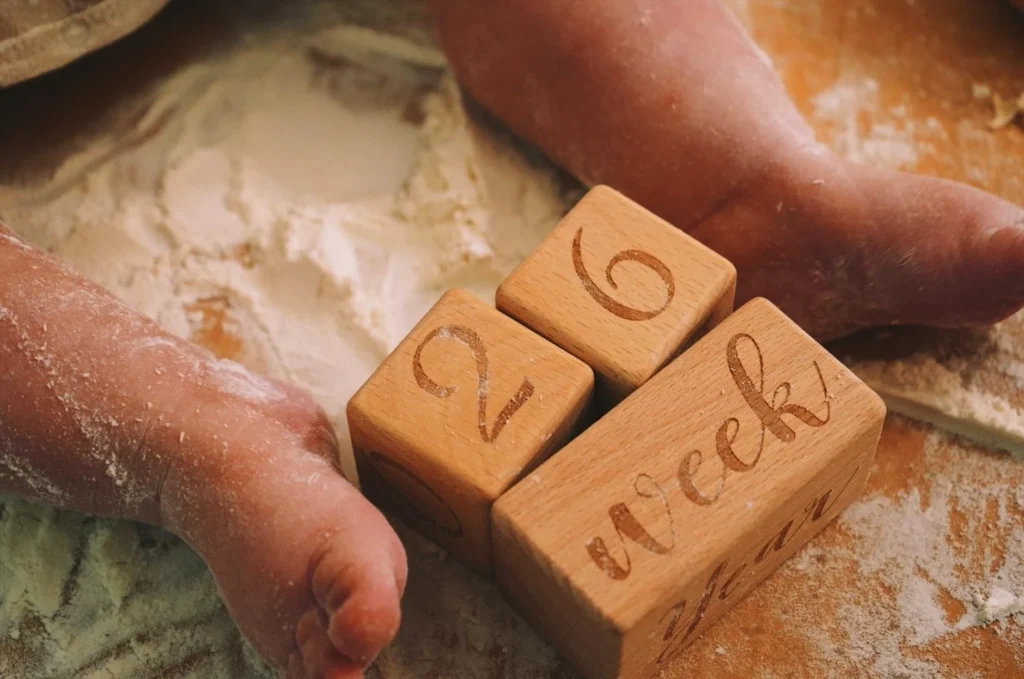
Your baby is on the cusp of a huge developmental leap, transforming from an infant into a busy toddler. They are likely more mobile, whether crawling at top speed, cruising along furniture, or even taking those first wobbly steps. Communication skills are booming, with babbling evolving into a few recognizable words and an understanding of many more. Their personality is shining through with stronger preferences and a growing sense of curiosity about the world around them.

Sleep
Sleep patterns can be quite variable at this age. Some babies are ready to transition to a single nap, while others still thrive on two shorter naps. Whatever their pattern, consistency in their bedtime routine remains incredibly important. A predictable sequence – like a warm bath, a quiet story, and a cuddle – signals to your baby that it’s time to wind down. Separation anxiety can sometimes peak around this age, making bedtime or naptime challenging. Extra reassurance and a comforting routine can help ease these worries.

Feeding
Mealtimes are becoming increasingly interactive. Your baby is likely mastering the pincer grasp, allowing them to pick up small pieces of food independently. Encourage self-feeding with soft, manageable finger foods. They’re exploring a wider variety of tastes and textures now, but breastmilk or formula still provides essential nutrition. Remember, continue to avoid added salt and sugar in their foods. And a crucial safety note: honey should not be given to babies under one year of age. When introducing new foods, do so one at a time over a few days to watch for any potential allergic reactions.
Play & Development
This age is all about exploration and imitation. Your baby loves to examine objects, figuring out how they work and what sounds they make. They enjoy simple games like peek-a-boo and will often try to imitate actions you make, like clapping or waving. Encourage their developing skills with age-appropriate toys that stimulate curiosity, like stacking rings, shape sorters, or simple musical instruments. Reading together, singing songs, and pointing out objects help boost their language development.
Practical Tips for Simplifying Routines
- Create a Visual Schedule: For yourself, or even with simple pictures for your baby, a loose daily schedule can help anchor your day. It doesn’t need to be rigid, but having a general flow for meals, naps, and play helps everyone.
- Embrace Batch Prep: If you’re making baby food, consider making larger quantities and freezing portions. This saves time during busy weekdays.
- Designate Play Zones: Create safe, child-proofed areas where your baby can explore independently while you handle other tasks nearby.
- Involve Them (Safely): As they become more capable, let them ‘help’ with simple tasks, like putting toys in a basket. This fosters independence and makes routines feel less like chores.
- Prioritize Self-Care: Remember that simplifying routines for your baby also means simplifying for you. Don’t be afraid to say no to extra commitments and carve out moments for rest.

Frequently Asked Questions
Is it normal for my baby to be so clingy right now?
Yes, increased clinginess or separation anxiety is very common around this age. It’s a sign of their strong attachment to you and their growing awareness that you can leave. Offer plenty of reassurance and cuddles. This phase often passes as they gain more confidence in their independence. This information is for general guidance only and is not a substitute for professional medical advice. Always consult your healthcare provider with any specific concerns.
How much milk should my 52-week-old still be drinking?
At this age, while solids are a big part of their diet, breastmilk or formula still provides crucial nutrients. The amount can vary, but typically they might be drinking around 16-24 ounces (480-720 ml) per day, often in conjunction with 3 meals and 1-2 snacks. Always check with your healthcare provider for personalized advice on your baby’s nutritional needs. This information is for general guidance only and is not a substitute for professional medical advice. Always consult your healthcare provider with any specific concerns.
What if my baby isn’t walking yet?
Babies develop at their own pace. While some babies take their first steps around this time, it’s also completely normal for others to start walking a bit later. As long as your baby is showing other signs of development – like crawling, pulling to stand, or cruising – and their healthcare provider isn’t concerned, there’s usually no need to worry. If you have any concerns about your baby’s development, always speak to your healthcare professional. This information is for general guidance only and is not a substitute for professional medical advice. Always consult your healthcare provider with any specific concerns.
Note: Totals vary by provider, region, and part quality.
Images sourced from Pexels.