
Welcome to the lively world of an 18-month-old! This is a fantastic age, brimming with curiosity, new abilities, and a burgeoning sense of self. Your little one is rapidly exploring their environment, mastering new skills, and communicating in ever-more sophisticated ways. Get ready for a period of exciting growth, big emotions, and plenty of playful moments.
Understanding what to expect can help you support your toddler’s journey, from those adorable first words to their wobbly steps and bursts of independence.

What Changes Now?
At 18 months, toddlers are truly coming into their own. While every child follows their unique timeline, here are some common milestones you might observe:
Cognitive & Communication
- Language: They might say several single words clearly and may even start combining two words (e.g., “more juice,” “mama up”). They can understand many more words than they can say and follow simple commands.
- Understanding: Points to show you something interesting, understands the use of everyday objects (like a cup or phone), and can point to a few body parts.
- Imitation: Loves to mimic what adults do, whether it’s talking on a pretend phone or helping with chores.
Motor Skills
- Walking & Running: Most 18-month-olds are walking well, often running in a clumsy but determined way. They might even try to kick a ball or climb stairs with help.
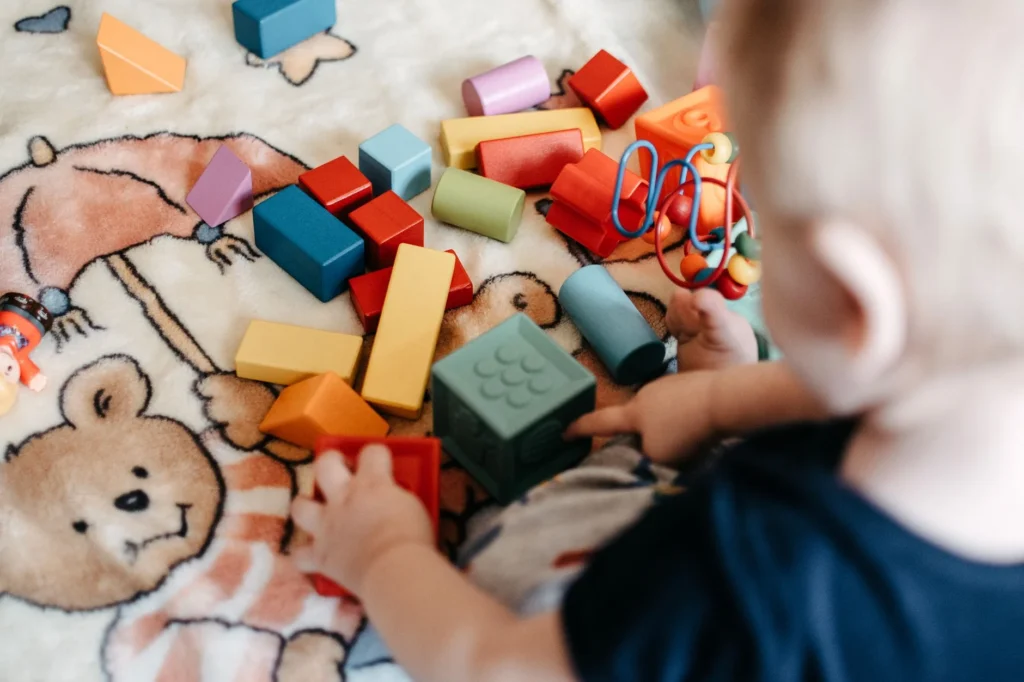
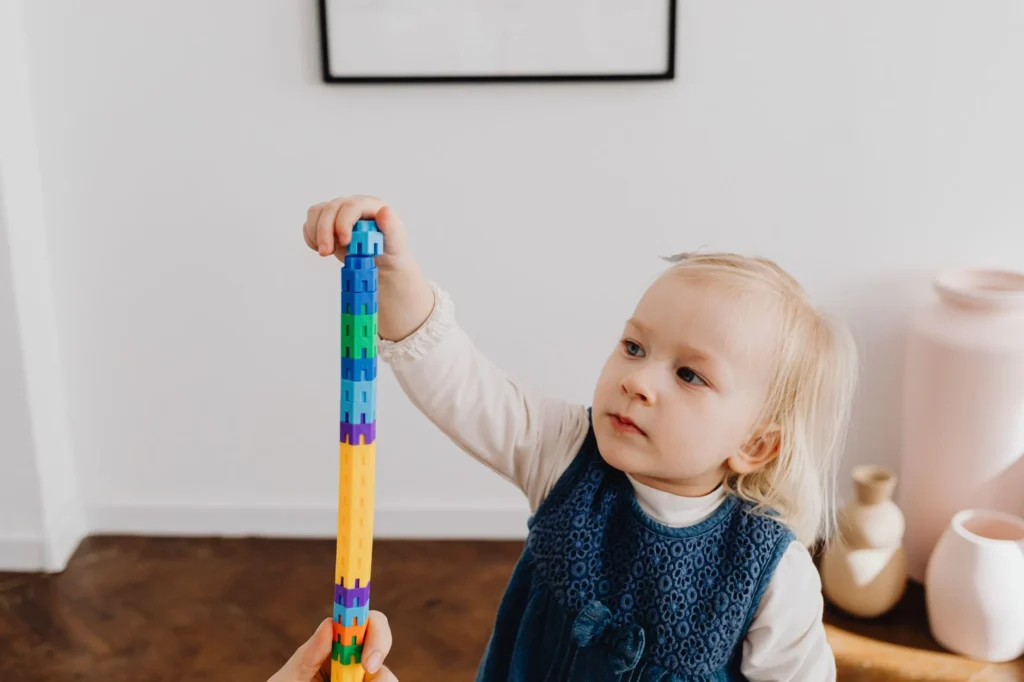
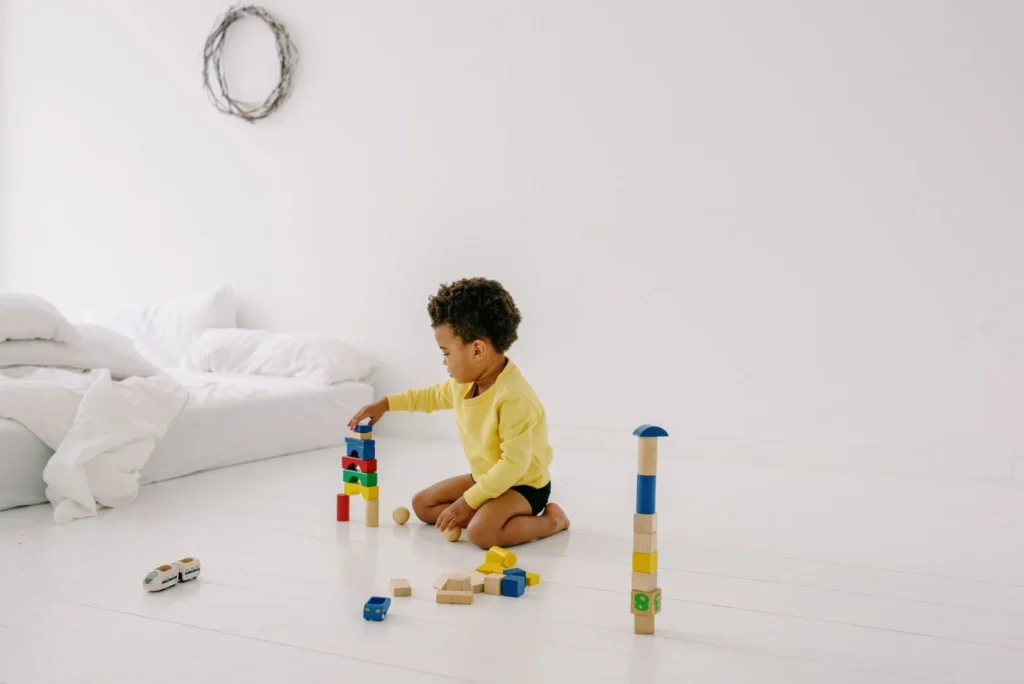
- Fine Motor: Can stack a few blocks, scribble with a crayon, turn pages in a book, and might try to use a spoon.
Social & Emotional
- Independence: A strong desire to do things for themselves, often leading to power struggles or the famous “no!” phase.
- Emotions: Experiences a wide range of emotions, including intense joy, frustration, and occasional tantrums as they learn to cope with big feelings.
- Affection: Shows affection to familiar people, may cling to parents in new situations, and enjoys playing near other children (even if not yet with them).
A Note on Development:
This information is for general knowledge only and not medical advice. Every child develops at their own unique pace. If you have concerns about your child’s development, such as not walking, not speaking any words, or losing previously learned skills, it’s always best to consult with your pediatrician or another healthcare professional. They can offer personalized guidance and support.
Sleep
By 18 months, many toddlers are typically sleeping around 11-14 hours within a 24-hour period, which usually includes one afternoon nap lasting 1-3 hours. Night waking can still happen, often due to developmental leaps, teething, or simply testing boundaries. Consistency is key here; sticking to a predictable bedtime routine can greatly help soothe them into sleep. Keep their sleep environment dark, cool, and quiet to encourage restful slumber.
Feeding
Toddlers at this age are usually eating a varied diet of family foods. Offer three meals and two small snacks each day. Their appetite might fluctuate, so don’t worry if they eat a lot one day and less the next. Focus on offering a variety of nutritious foods, including fruits, vegetables, whole grains, and proteins. Finger foods are excellent for developing fine motor skills and independence.
Remember, it’s best to avoid adding extra salt or sugar to your toddler’s meals. And a quick reminder: honey should not be given to children under one year old. When introducing new foods, do so one at a time to easily spot any potential allergies.
Play & Development
Play is how your 18-month-old learns about the world! Offer plenty of opportunities for active exploration and imaginative fun:
- Active Play: Outdoor time is wonderful for gross motor development. Think chasing bubbles, climbing on safe playground equipment, or just running around. Indoors, try pushing toy strollers or cars.
- Creative Exploration: Provide chunky crayons and paper for scribbling, play-doh for squishing and rolling, or simple musical instruments to bang on.
- Building & Stacking: Blocks of all sizes are fantastic for hand-eye coordination and problem-solving. Encourage them to build towers and knock them down!
- Pretend Play: Give them toy phones, dolls, or kitchen items. They’ll love imitating daily routines they see you doing.
- Reading: Continue to read together daily. Point to pictures, name objects, and encourage them to turn pages. This boosts language and a love for books.
Practical Tips for Parents
- Set Clear Boundaries: Toddlers thrive on consistency. Clearly communicate simple rules and follow through gently but firmly.
- Childproof Safely: With increased mobility and curiosity, ensure your home is fully childproofed. Keep dangerous items out of reach.
- Encourage Independence: Let them try to feed themselves, help put toys away, or choose their clothes. Even small acts of independence build confidence.
- Manage Tantrums: When big feelings bubble over, stay calm. Acknowledge their frustration, offer comfort, and if safe, let them work through it, or gently redirect their attention.
- Communicate & Connect: Talk to your child throughout the day, describing what you’re doing, asking simple questions, and responding to their babbling and gestures.
Frequently Asked Questions
Why does my 18-month-old have so many tantrums?
Tantrums are very common at this age. Your toddler has big emotions and a strong desire for independence but lacks the language and emotional regulation skills to express themselves fully. They’re also learning what happens when they test boundaries. Try to stay calm, offer empathy, and provide choices when possible to give them a sense of control.
What if my 18-month-old isn’t talking much yet?
Language development varies widely. While some 18-month-olds have many words, others are still taking it all in. If your child understands what you say, uses gestures (like pointing), and is babbling, that’s positive. Continue talking, reading, and singing to them. If you’re concerned about a lack of words or any other aspect of their communication, it’s always best to discuss it with your pediatrician.
Images sourced from Pexels.