
What changes now?

Welcome to the toddler years! Thirteen months marks an exciting time of rapid change and newfound independence for your little one. While every child’s journey is unique, you’ll likely notice a surge in mobility, communication skills, and a growing personality. Your baby is now driven by immense curiosity, eager to explore the world around them.
Remember, development isn’t a race. These milestones are general guides, and your child may reach them at their own pace. If you have any concerns about your child’s development, it’s always best to consult with a healthcare professional. This information is for general guidance only and is not medical advice.

Developmental Milestones
At 13 months, your toddler is busy soaking up everything. Here’s a look at some common areas of growth:
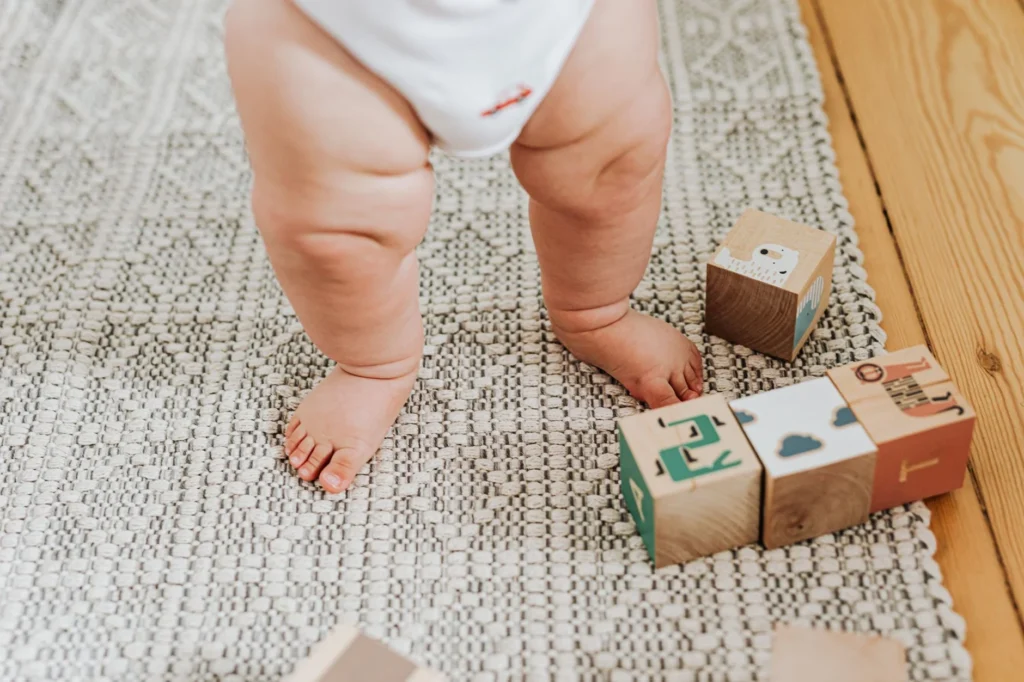
- Gross Motor Skills: Many 13-month-olds are cruising along furniture, taking their first tentative steps, or even walking independently! They might enjoy pushing toys, climbing stairs (with help), and squatting to pick up objects.
- Fine Motor Skills: The pincer grasp is well-developed, allowing them to pick up small items. They may enjoy stacking a couple of blocks, putting objects into containers, or turning pages in a sturdy board book.
- Cognitive Development: Your little one is understanding more than they can express. They might follow simple instructions, point to objects they want, find hidden toys, and imitate actions they’ve seen you do. Their problem-solving skills are emerging as they figure out how things work.
- Social & Emotional Growth: Affectionate gestures like hugs and kisses become more common. They might wave bye-bye, show preferences for certain people or toys, and express big emotions—sometimes leading to early signs of tantrums as they test boundaries. Stranger anxiety might still be present.
- Communication: While babbling remains a primary form of communication, your toddler might say 1-3 clear words, often ‘Mama,’ ‘Dada,’ or ‘no.’ They understand their name, respond to simple commands, and use gestures like pointing to communicate their needs and wants.
Sleep
Many 13-month-olds are starting to consolidate their sleep, often transitioning from two naps to one longer afternoon nap. Aim for about 11-14 hours of sleep over a 24-hour period, including nighttime sleep and naps. Consistency is key, so try to stick to a regular bedtime and nap schedule. A calming bedtime routine—think bath, book, and quiet cuddles—can help signal it’s time to wind down. Sleep regressions can still pop up, but maintaining your routine usually helps them pass. If sleep patterns are significantly disrupted or you have concerns, speak to your pediatrician.
Feeding
Your toddler’s diet is becoming more varied, closely resembling what the rest of the family eats. Finger foods are a big hit and crucial for developing fine motor skills. Offer a variety of soft fruits, well-cooked vegetables, whole grains, and lean proteins.
Remember these important safety guidelines:
- Avoid giving honey to babies under one year.
- Do not add salt or sugar to your child’s food, especially at this age.
- Introduce new foods one at a time, waiting a few days before introducing another, to easily identify any potential allergies.
- Always supervise your child during meals and be mindful of choking hazards like whole grapes, hot dogs, large chunks of meat, nuts, and popcorn. Cut foods into small, manageable pieces.
Encourage self-feeding with spoons or forks, even if it’s messy! This is a great time to start transitioning away from bottles and toward a sippy cup or open cup for drinks like water and milk.
Play & Development
Play is how your toddler learns about the world. Engage with them regularly:
- Reading: Point to pictures, name objects, and encourage them to turn pages. Board books are perfect for little hands.
- Building: Blocks, stacking cups, and shape sorters help develop hand-eye coordination and problem-solving skills.
- Music & Movement: Sing songs, dance together, and introduce simple musical instruments.
- Outdoor Play: Explore parks, push a small toy car, or kick a soft ball. Fresh air and new environments stimulate their senses.
- Imitative Play: They love to mimic you! Pretend to talk on the phone, stir a pot, or brush their hair.
Simple toys like push-pull toys, soft balls, and sturdy puzzles are great for this age. Remember, your interaction is the most valuable toy of all.
Practical Tips for Parents
- Childproofing: With increased mobility and curiosity, revisit your home’s childproofing. Gates on stairs, cabinet locks, and securing furniture are essential.
- Encourage Language: Talk to your child constantly, describing what you’re doing, seeing, and hearing. Ask simple questions, even if they can’t answer yet. Read aloud every day.
- Navigating Emotions: This age can bring big emotions and early tantrums. Acknowledge their feelings, offer comfort, and try distraction. Setting clear, consistent boundaries is also important.
- Routine is Your Friend: A predictable daily routine for meals, naps, and bedtime helps your toddler feel secure and know what to expect.
- Self-Care for You: Parenting a busy toddler is demanding. Prioritize moments for yourself to recharge. A well-rested parent is a more patient parent.
Frequently Asked Questions
How many words should a 13-month-old say?
Typically, a 13-month-old will have at least one or two meaningful words, such as ‘Mama’ or ‘Dada,’ beyond just babbling. However, understanding many more words and using gestures is also very common. Every child’s language development timeline is unique.
Is it normal for a 13-month-old not to be walking yet?
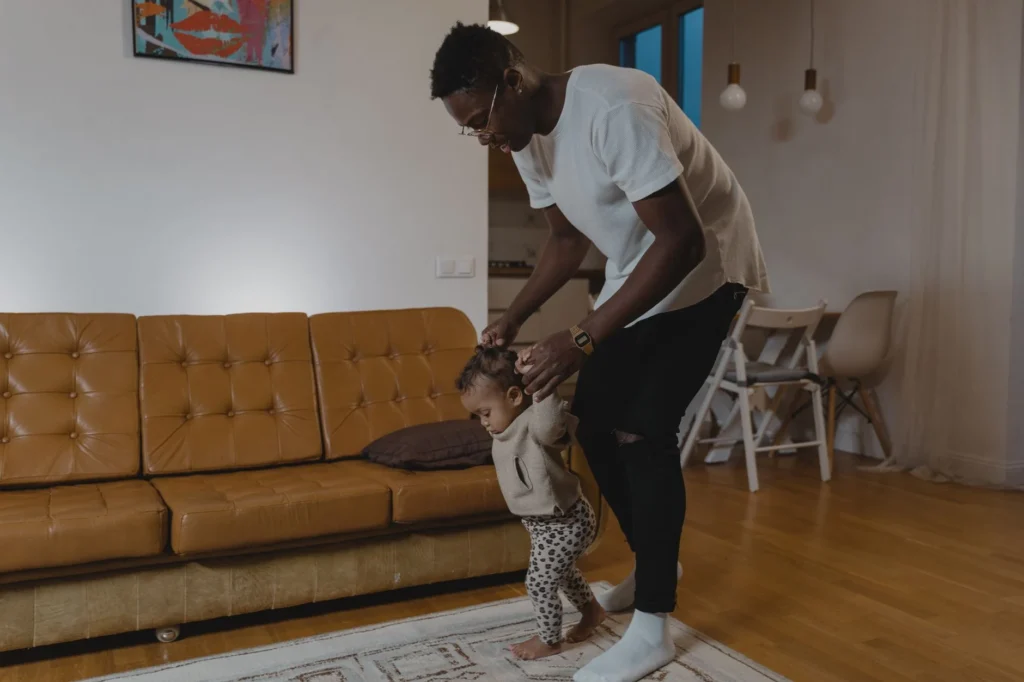
Absolutely! The typical age range for walking is quite broad, from 9 to 18 months. Many 13-month-olds are still cruising, crawling, or taking their very first steps. If your child is crawling, pulling to stand, and showing an interest in moving, they’re likely on track.
What are common sleep challenges at this age?
Common sleep challenges can include resistance to napping (especially during the transition to one nap), separation anxiety at bedtime, or waking up due to new milestones like walking. Sticking to a consistent routine and offering comfort can help navigate these phases.
Images sourced from Pexels.