
What Changes Now?

Around 15 months, your little one is likely blossoming into a true toddler! This period is often marked by huge leaps in independence and communication. Many children are taking their first confident steps, some are running, and almost all are exploring their world with a renewed sense of curiosity. You might notice them pointing at objects they want, understanding simple commands, and perhaps even saying a few recognizable words. Their personality is truly shining through, complete with strong preferences and the occasional dramatic flair (hello, tantrums!). It’s an exciting, sometimes challenging, time of rapid growth.
Disclaimer:
This information is for general knowledge and informational purposes only, and does not constitute medical advice. Always consult with a qualified healthcare professional for any health concerns or before making any decisions related to your child’s health and well-being.
Sleep
Most 15-month-olds still need a good amount of sleep, typically around 11-14 hours within a 24-hour period, including naps. Many toddlers this age are transitioning from two naps to one longer afternoon nap, or they might still be holding onto their morning nap for a bit longer. Consistency is your best friend when it comes to sleep routines. A predictable bedtime sequence – bath, stories, lullabies – can help signal to your child that it’s time to wind down. Try to keep their sleep environment calm and dark. If you’re encountering sleep struggles, remember that developmental leaps, teething, or even a shift in routine can temporarily disrupt sleep patterns.
Feeding
At 15 months, toddlers are usually skilled at eating a wide variety of table foods. Encourage self-feeding with child-safe utensils and small, bite-sized pieces. Offer a diverse range of foods to ensure they get all the necessary nutrients, focusing on fruits, vegetables, whole grains, and lean proteins. It’s normal for toddlers to have strong preferences or even go through picky eating phases. Continue to offer healthy options, even if they’re initially refused, and model healthy eating habits yourself. Remember to avoid adding salt and sugar to your toddler’s food. For safety, always be mindful of choking hazards like whole grapes, large chunks of meat, or hard candies.
Play & Development
This age is prime time for active play and language development! Your 15-month-old is absorbing everything around them. Here are some ideas to support their growth:
- Gross Motor Skills: Provide push-and-pull toys, soft balls for kicking, and opportunities to climb safely (like on a small play structure or cushions). Dancing to music is also a fantastic way to encourage movement.
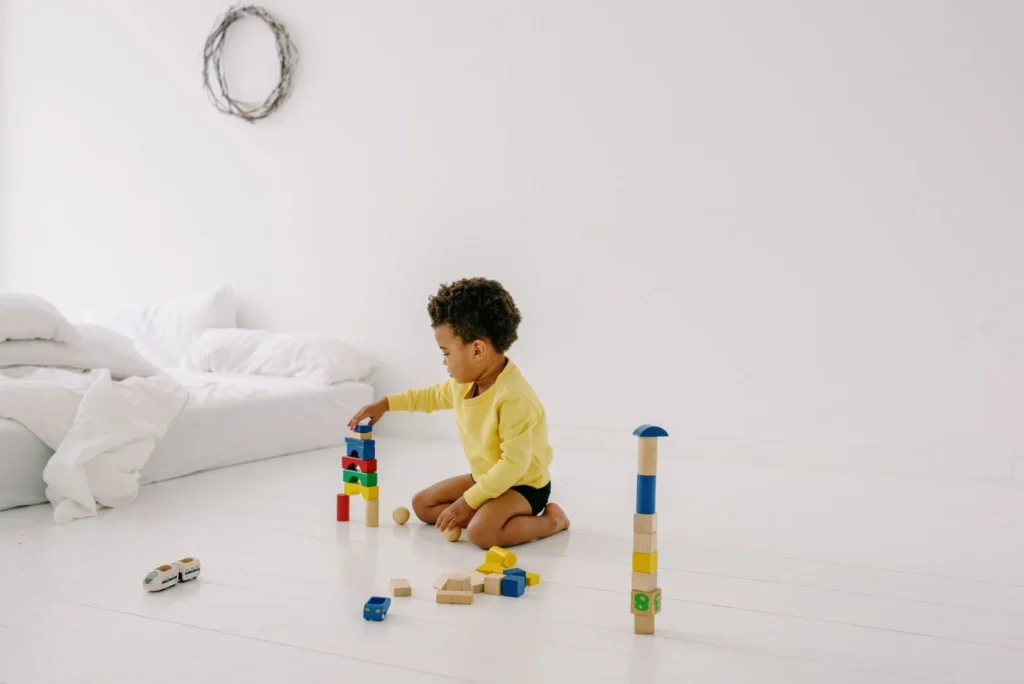
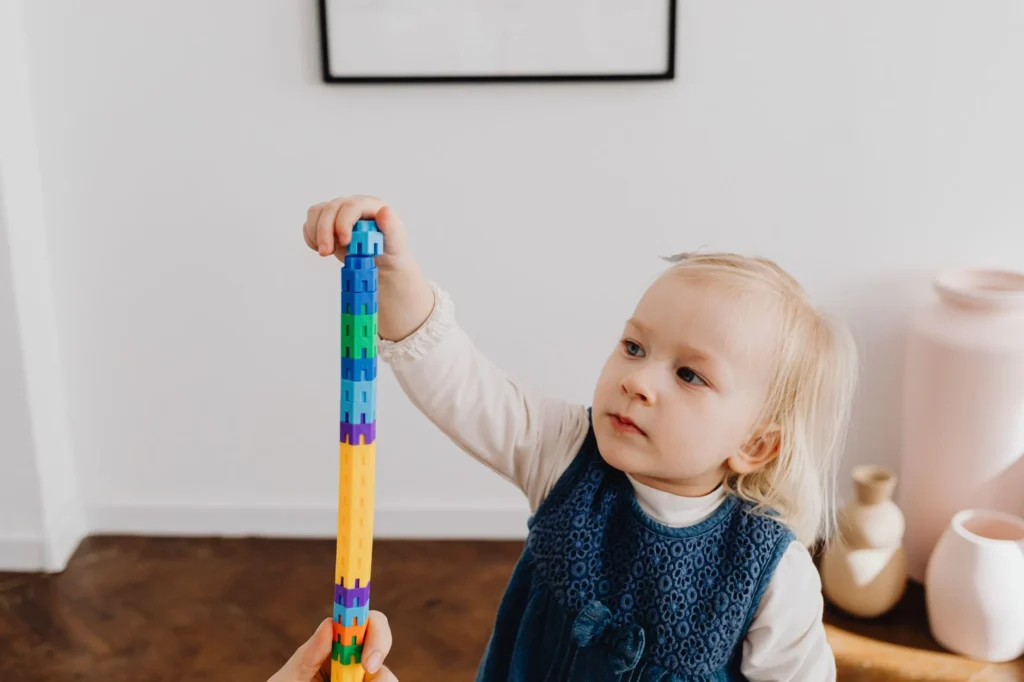
- Fine Motor Skills: Offer chunky puzzles, building blocks, and crayons (with supervision) to encourage hand-eye coordination and creativity. Stacking cups or nesting toys are also great.
- Language & Cognitive: Read to your toddler daily, pointing out pictures and naming objects. Sing songs, do action rhymes, and talk about everything you’re doing together. Ask simple questions like, “Where’s your nose?” or “What’s that?” and encourage them to point or respond. Imitation play, like pretending to talk on a phone or stir a pot, is also a key developmental activity.
- Social & Emotional: Engage in parallel play – playing near your child, doing similar activities but not necessarily interacting directly. This helps them learn about social dynamics. Acknowledge their emotions, even when they’re having a tantrum, by saying something like, “I see you’re feeling frustrated.”
Practical Tips
- Childproofing Updates: As your toddler becomes more mobile and curious, re-evaluate your childproofing. Lock cabinets, secure furniture, and keep small objects out of reach.
- Encourage Independence: Let them try to feed themselves, help put toys away, or choose their clothes. Even small acts of independence build confidence.
- Managing Tantrums: Tantrums are a normal part of toddler development as they learn to navigate big emotions and limited language. Stay calm, acknowledge their feelings, and offer comfort or a quiet space. Sometimes, distraction works wonders.
- Consistent Boundaries: Set clear, simple boundaries and be consistent. This helps your toddler understand expectations and feel secure.

Frequently Asked Questions
Q: What if my 15-month-old isn’t walking yet?
A: There’s a wide range for when toddlers start walking, typically between 9 and 18 months. If your child is still crawling, pulling to stand, and cruising, they’re likely just taking their time. If you have concerns about their motor development, it’s always a good idea to chat with your healthcare professional.
Q: My toddler is saying very few words. Is this normal?
A: Language development varies greatly. Some 15-month-olds might have several words, while others are still mostly babbling. Focus on how they communicate – do they point, make sounds, and understand what you say? If you’re worried about their language development, or if they’re not making any attempts to communicate, consult your healthcare provider for guidance.
Q: How can I handle separation anxiety at this age?
A: Separation anxiety is common around 15 months. A consistent goodbye routine can help: say a cheerful, quick goodbye, assure them you’ll return, and then leave. Avoid sneaking out. Practice short separations to build their confidence, and ensure they are with a trusted caregiver.
Images sourced from Pexels.