
Welcome to an exciting stage! Around this age, your little one is really starting to explore the world with new confidence. They’re growing by leaps and bounds, from their first wobbly steps becoming more assured to a blossoming understanding of language and emotions. It’s a time filled with curiosity, burgeoning independence, and a few adorable (and sometimes challenging!) quirks. Let’s dive into what you can expect and how to support their wonderful journey.
What Changes Now?

Eighteen months marks a period of rapid growth and discovery. Your toddler is a little sponge, soaking up everything around them, and their personality is truly shining through.
Physical Milestones
- On the Move: Walking becomes much more steady, and you might even see some attempts at running or climbing small steps and furniture. They’re getting better at kicking a ball, too!
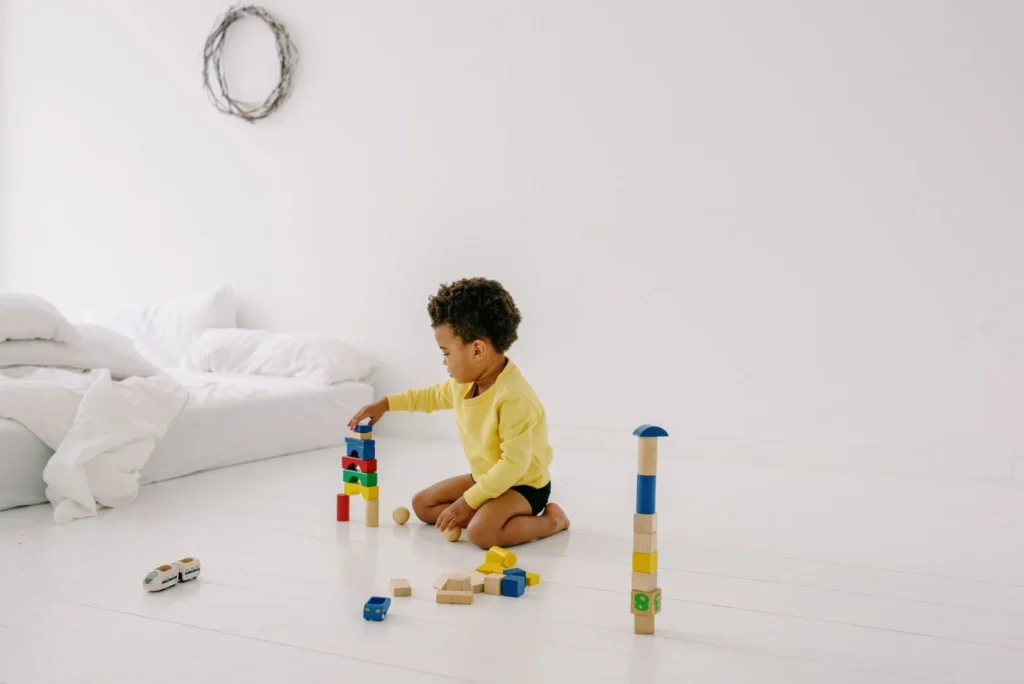
- Nimble Fingers: Fine motor skills are refining. Your child can often stack a few blocks, put pegs in a board, or even scribble with a crayon. Turning pages in a book is becoming easier.
Cognitive & Language Milestones
- Language Burst: While every child develops at their own pace, many toddlers around this age have a vocabulary of at least 10-20 words, often combining two words like “more milk” or “bye bye car.” Crucially, their understanding often outpaces their speaking.
- Following Instructions: They can usually follow simple, one-step commands like “give me the ball” or “come here.”
- Imitation & Pretend Play: Watch them mimic you talking on the phone or stirring a pot. They’re starting to engage in basic pretend play.
- Pointing & Naming: They can point to familiar objects or even a few body parts when asked.
Social & Emotional Milestones
- Growing Independence: They want to do things themselves, even if it takes a little longer! This is a great sign of their emerging self-awareness.
- Temper Tantrums: Fully normal at this age. As their desire for independence clashes with their limited ability to communicate or achieve goals, frustration can boil over.
- Affection & Attachment: Expect lots of hugs and cuddles, especially with primary caregivers. They might also show some separation anxiety.
- Parallel Play: They often enjoy playing near other children but aren’t typically interacting directly with them in shared activities just yet.
Sleep
Most children still need one solid nap during the day, typically lasting 1-3 hours. A consistent bedtime routine remains key for good nighttime sleep, which is usually around 11-14 hours (including naps). Some children may experience sleep disturbances or regressions, often tied to developmental leaps. Maintaining a calm and predictable evening routine can help.
Feeding
At this age, your child is likely enjoying a wide variety of family foods and practicing self-feeding with enthusiasm (and mess!). Offer balanced meals with plenty of fruits, vegetables, whole grains, and proteins. Encourage them to use a spoon and fork, even if it’s still a work in progress.
- Important Notes: Remember, honey should never be given to children under one. While your child is past this age, it’s a good safety reminder. Additionally, it’s best to avoid adding extra salt or sugar to your toddler’s food.
- Allergy Watch: When introducing new foods, especially common allergens, offer them one at a time over a few days to easily spot any reactions.
- Picky Eating: It’s common for toddlers to become a bit pickier. Keep offering a variety of healthy options without pressure.
Play & Development
Play is how your child learns about the world. Here are some ideas to support their development:
- Building & Stacking: Blocks, stacking cups, and simple puzzles are fantastic for fine motor skills and problem-solving.
- Reading Together: Continue to read daily! Point to pictures, ask simple questions, and let them turn pages.
- Outdoor Adventures: Running, climbing on playground structures (with supervision), and exploring nature helps develop gross motor skills and a love for the outdoors.
- Music & Movement: Dance to music, sing songs, and play simple instruments. This boosts rhythm, coordination, and language.
- Imaginative Play: Provide props like toy phones, dolls, kitchen items, or dress-up clothes to encourage pretend play.
- Sensory Bins: A bin with rice, pasta, or water and some small toys can provide hours of engaging sensory exploration.
Practical Tips for Parents
- Be Consistent: Routines provide comfort and predictability, which can help manage tantrums and make transitions smoother.
- Offer Choices: Give limited, age-appropriate choices (e.g., “Do you want the red cup or the blue cup?”) to foster a sense of control and independence.
- Positive Reinforcement: Praise good behavior and efforts. Acknowledging their attempts, even if they’re not perfect, builds confidence.
- Child-Proofing Review: As your child becomes more mobile and curious, re-evaluate your home’s safety. Gates, outlet covers, and securing heavy furniture are crucial.
- Patience is Key: Tantrums are challenging, but responding with calm and empathy helps your child learn to regulate their emotions.
When to Talk to a Professional
Please remember, the information provided here is for general knowledge and informational purposes only, and does not constitute medical advice. It is essential to consult with a qualified healthcare professional for any health concerns or before making any decisions related to your child’s health or care.
While every child develops uniquely, it’s a good idea to chat with your pediatrician if you notice any of the following concerns:
- Not walking independently.
- Not saying any words.
- Does not point to show you things.
- Does not imitate actions or words.
- Loss of skills your child once had.
- Does not make eye contact.
Your pediatrician can offer personalized guidance and support for your child’s development.
Frequently Asked Questions
Is it normal for my toddler to have tantrums?
Absolutely! Tantrums are a very normal part of toddler development. They often stem from frustration (when a child can’t communicate what they want or do something they want to do) or from testing boundaries. The best approach is often to remain calm, acknowledge their feelings, and offer comfort or distraction.
How many words should an 18-month-old say?
The range can vary quite a bit, but many children at this age have around 10-20 words. More importantly, they should be attempting to communicate with gestures, sounds, and pointing, and should understand many more words than they can say. If you have concerns about your child’s speech development, discuss it with your pediatrician.
Images sourced from Pexels.