
Finding the perfect pair of shoes for your little one can feel like a puzzle. Babies’ feet are soft, pliable, and grow incredibly fast, making accurate sizing crucial for their comfort and healthy development. Ill-fitting shoes can cause discomfort, hinder natural foot development, and even affect how they learn to walk.
How to Accurately Measure Your Baby’s Feet
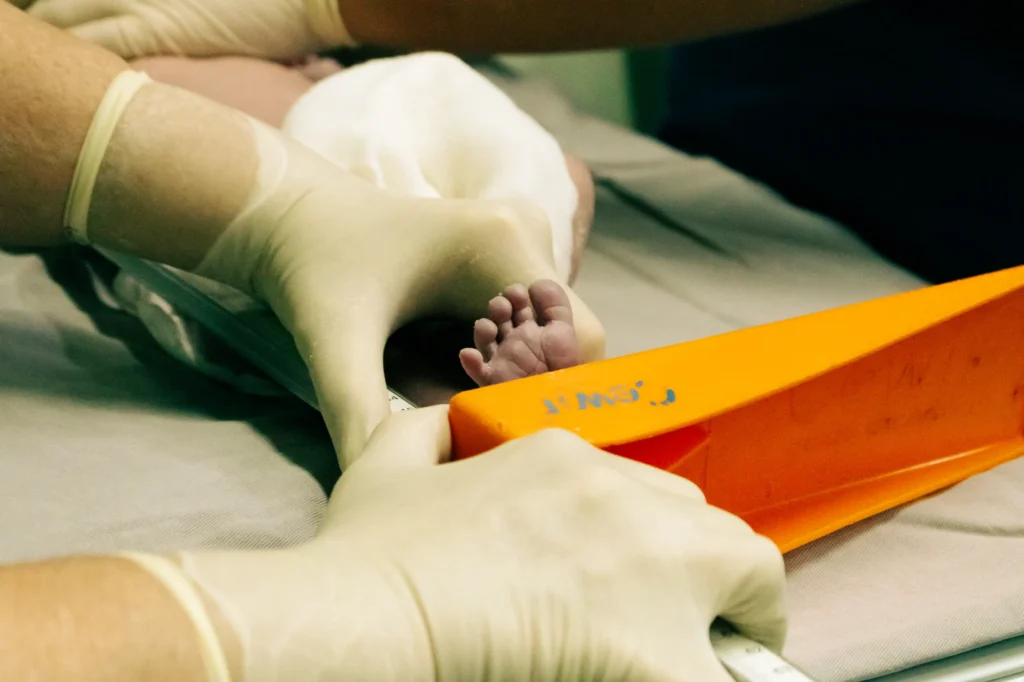
Getting the right measurement is simpler than you might think. You’ll need a piece of paper, a pen or pencil, and a ruler or tape measure. It’s best to measure both feet, as one might be slightly larger than the other, and always go with the bigger size.
| Foot Length (cm) | Foot Length (inches) | US Size | UK Size | EU Size |
|---|---|---|---|---|
| 9.2 – 9.8 | 3.6 – 3.9 | 0-1 | 0 | 16 |
| 9.9 – 10.5 | 3.9 – 4.1 | 2 | 1 | 17 |
| 10.6 – 11.2 | 4.2 – 4.4 | 3 | 2 | 18 |
| 11.3 – 11.9 | 4.4 – 4.7 | 4 | 3 | 19 |
| 12.0 – 12.6 | 4.7 – 5.0 | 5 | 4 | 20 |
| 12.7 – 13.3 | 5.0 – 5.2 | 6 | 5 | 21 |
| 13.4 – 14.0 | 5.3 – 5.5 | 7 | 6 | 22 |
| 14.1 – 14.7 | 5.6 – 5.8 | 8 | 7 | 23 |
| 14.8 – 15.4 | 5.8 – 6.1 | 9 | 8 | 24 |
| 15.5 – 16.1 | 6.1 – 6.3 | 10 | 9 | 25 |
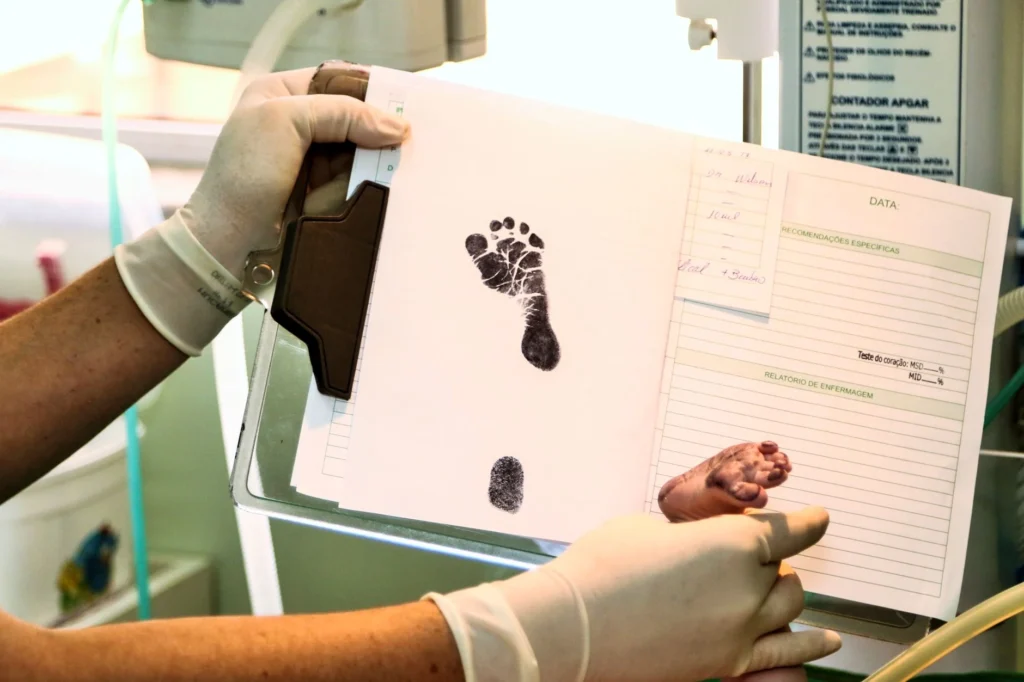
Step-by-Step Measuring Guide:
- Gather Your Tools: Grab a sheet of paper, a pen, and a ruler.
- Position Your Baby: Have your baby sit on your lap or on a high chair, with their foot flat on the piece of paper on a hard surface. For walkers, you can have them stand with their weight evenly distributed.
- Mark the Heel: Gently press down on their foot to ensure it’s flat. Draw a straight line directly behind their heel.
- Mark the Longest Toe: Draw another straight line at the tip of their longest toe. Remember, this isn’t always the big toe!
- Measure the Length: Use your ruler to measure the distance between the two lines you’ve drawn, from heel to longest toe, in centimeters or inches.
- Add for Growth: It’s a good idea to add about 1 to 1.5 cm (or 0.4 to 0.6 inches) to this measurement to allow for growth and wiggle room. Babies’ feet can grow a full size every few months.
- Repeat for the Other Foot: Always measure both feet and use the larger measurement when checking the size chart.
Baby Shoe Size Chart
Once you have your baby’s foot length measurement, refer to this chart to find the corresponding shoe size. Keep in mind that sizes can vary slightly between brands, so this chart is a general guide.
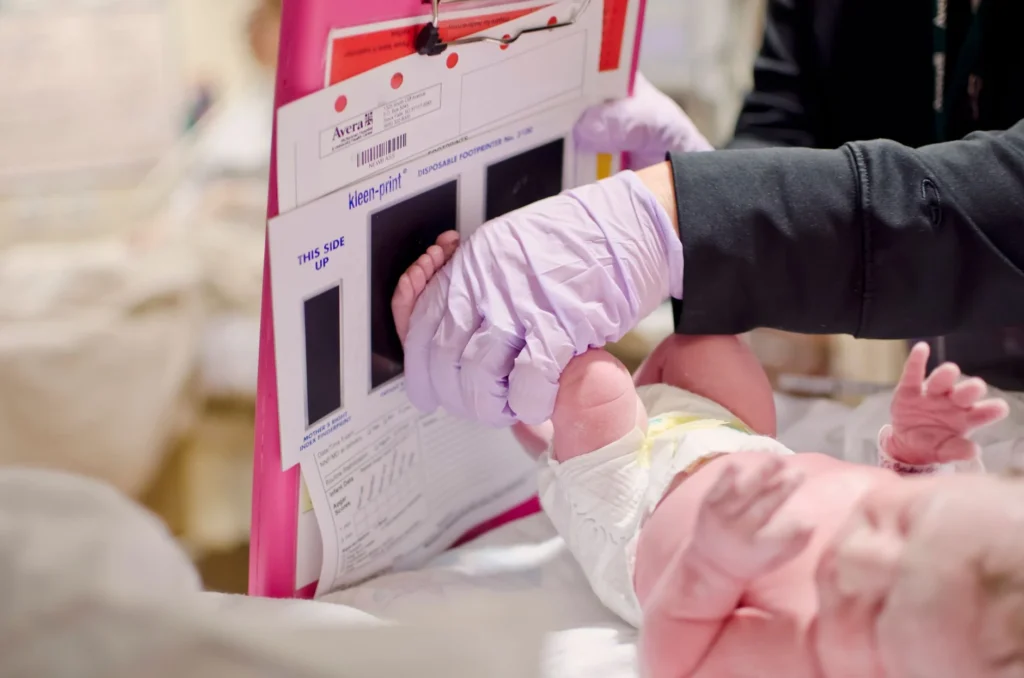
Common Mistakes to Avoid When Buying Baby Shoes
Even with a size chart, it’s easy to make small errors that can impact your baby’s comfort and foot health. Be mindful of these common pitfalls:
- Guessing the Size: It’s tempting to estimate, especially when shopping online or if your baby is fussy. But guessing almost always leads to the wrong fit. Always measure!
- Not Measuring Regularly: Babies’ feet grow rapidly. A shoe that fit snugly a few months ago might be too small now. Measure every 2-3 months.
- Ignoring the Width: Length isn’t the only factor. Some babies have wider or narrower feet. Look for brands that offer different width options, or shoes with adjustable closures.
- Too Much Wiggle Room: While a little extra space for growth is good (about a thumb’s width at the toe), shoes that are too big can cause tripping and instability, hindering natural walking development.
- Too Snug a Fit: Shoes that are too tight can restrict blood flow, cause blisters, and even lead to long-term foot issues. Check for red marks on their feet after wearing.
- Only Measuring One Foot: Remember to measure both feet and use the larger measurement. It’s quite common for feet to be slightly different sizes.
Choosing the right shoes for your baby is an important step in supporting their healthy development and giving them the freedom to explore comfortably. A little effort in measuring correctly can make a big difference!
Disclaimer: This information is for general guidance only and not intended as medical advice. For specific concerns about your baby’s foot health, please consult a healthcare professional.
Images sourced from Pexels.