
The Exciting Journey of First Solids
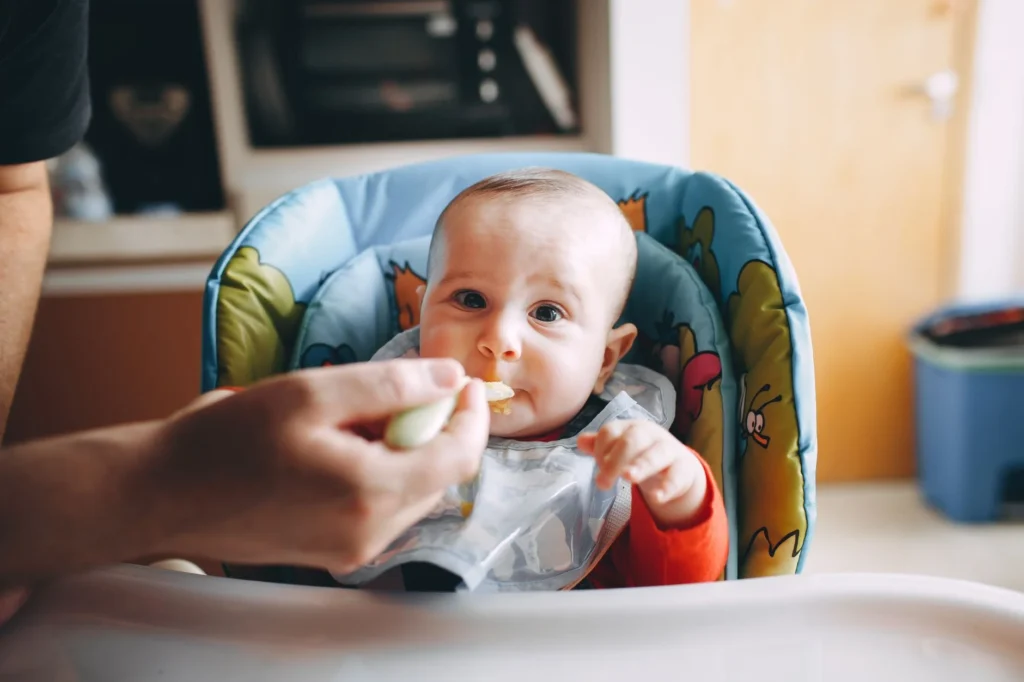
Introducing your baby to solid foods is a wonderful milestone, marking a new chapter in their growth and development. It’s a time of exploration, new tastes, and often, a bit of glorious mess! This guide will help you navigate the introduction of both purees and finger foods, ensuring a safe and positive experience for your little one.
When to Know Your Baby is Ready
Before offering solids, look for these important signs of readiness. Every baby develops at their own pace, so these are general guidelines, not strict deadlines:
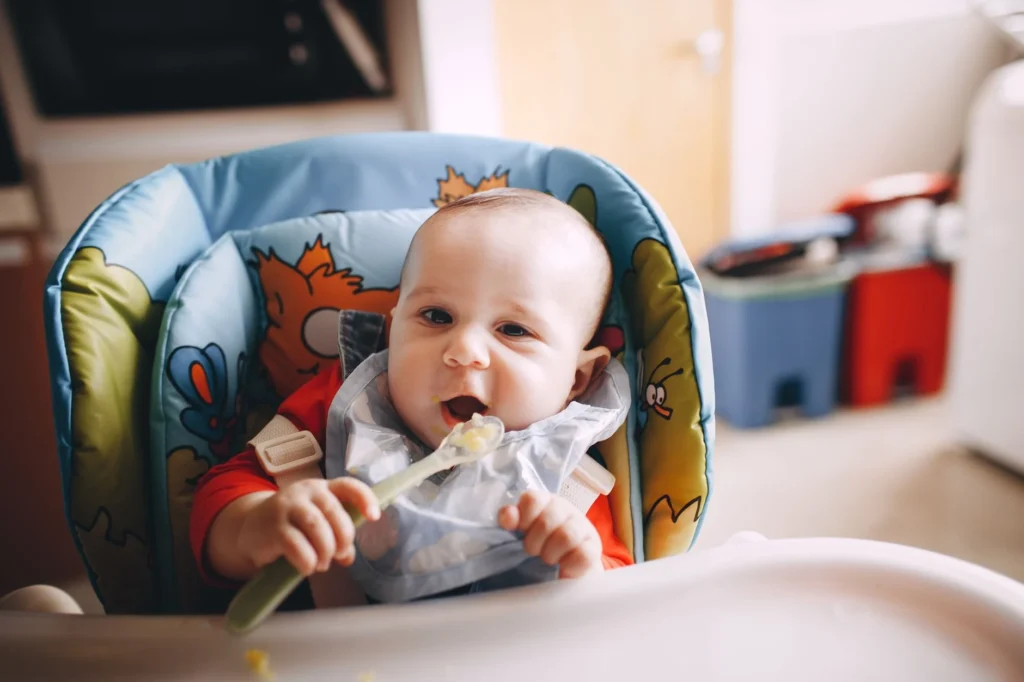
- Good Head Control: Your baby can hold their head up steadily.
- Sitting Up with Support: They can sit upright in a high chair or on your lap.
- Loss of Tongue-Thrust Reflex: They no longer automatically push food out of their mouth with their tongue.
- Showing Interest: They watch you eat, open their mouth when food comes near, and may even try to grab food.
Starting with Purees
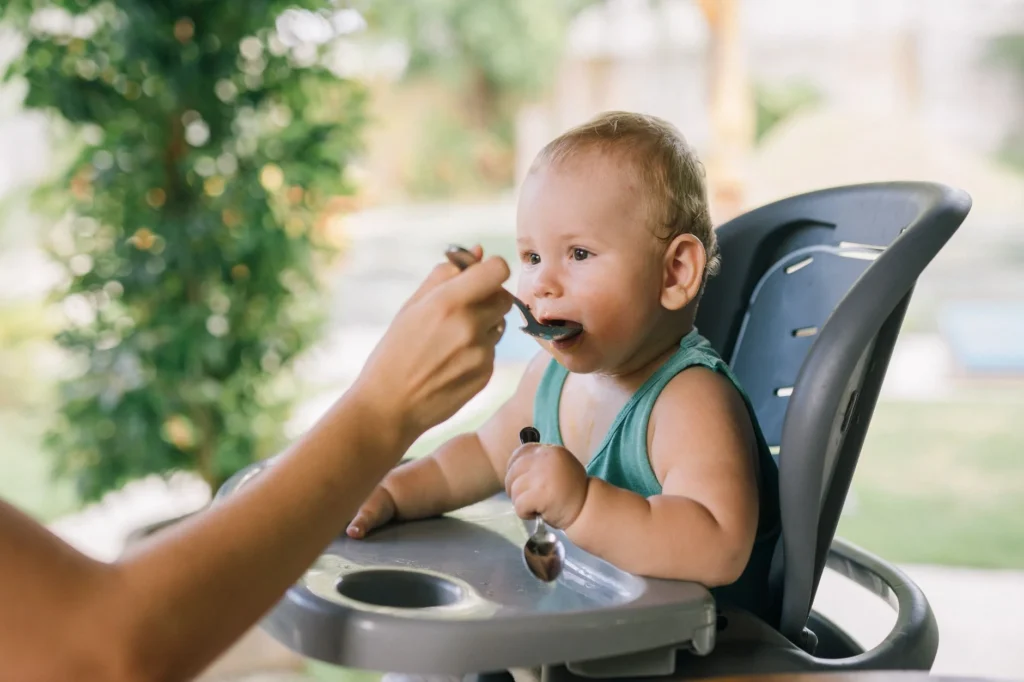
Purees are a gentle way to introduce new tastes and textures.
Choosing First Foods
Begin with single-ingredient, smooth purees. This helps your baby adjust and makes it easier to identify any potential sensitivities. Good choices include:
- Iron-fortified infant cereal (mixed with breast milk or formula)
- Pureed sweet potato, avocado, banana, or peas
- Cooked and pureed carrots, green beans, or butternut squash
Simple Puree Preparation
For homemade purees, simply cook vegetables or fruits until very tender, then blend or mash them until smooth. You can thin the puree with breast milk, formula, or a little water to achieve a consistency your baby can easily swallow.
Tips for Feeding Purees
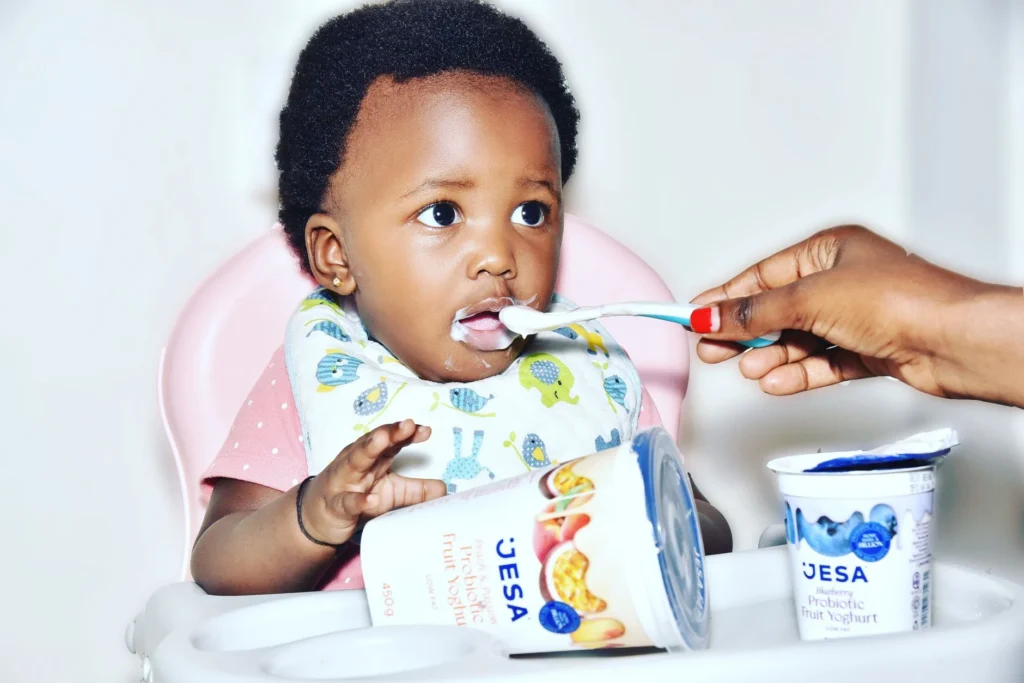
- Start with small amounts, perhaps just a teaspoon or two, once a day.
- Use a soft-tipped spoon.
- Let your baby set the pace. Watch for cues like turning away or closing their mouth, which signal they’ve had enough.
- Don’t be afraid of mess! It’s part of the learning process.
Exploring Finger Foods
As your baby grows, finger foods become an important part of their feeding journey, encouraging self-feeding and developing fine motor skills.
When to Introduce Finger Foods
Most babies are ready for finger foods around 8 to 9 months, or when they develop a pincer grasp (using their thumb and forefinger to pick up small objects).
Safe Finger Food Choices
Always choose foods that are soft, easy to mash between your fingers, and cut into appropriate sizes to prevent choking. Ideal shapes are finger-length sticks or pea-sized pieces. Examples include:
- Soft, cooked vegetable sticks (steamed carrots, zucchini)
- Small pieces of very ripe banana or avocado
- Soft cooked pasta (like rotini or penne)
- Small pieces of well-cooked chicken or fish (shredded)
- Small cubes of soft cheese or plain whole milk yogurt
- Small pieces of toast with a thin spread of avocado
Encouraging Self-Feeding
Place a few pieces of food directly on their high chair tray or a plate. Let them explore, pick up, and bring the food to their mouth. It will be messy, but it’s crucial for their development and fosters a positive relationship with food.
Important Safety Notes
Remember, this information is for general guidance only and not a substitute for professional medical advice. Always consult with your pediatrician for personalized recommendations.
- No Honey Under One: Crucially, avoid giving honey to babies under one year old due to the risk of infant botulism.
- No Added Salt or Sugar: Keep added salt and sugar out of your baby’s diet, especially before their first birthday. Their kidneys aren’t ready for excess salt, and sugar offers no nutritional benefit.
- Allergy Introduction: When introducing new foods, especially common allergens (like peanuts, eggs, dairy, wheat, soy, fish, shellfish, tree nuts, sesame), offer them one at a time and wait a few days before introducing another new food. This helps you identify potential reactions.
- Choking Hazards: Always supervise your baby during meals. Cut foods into appropriate sizes (finger-length sticks or pea-sized pieces) and avoid hard, round, or sticky foods that are high choking hazards (e.g., whole grapes, nuts, popcorn, large chunks of meat, hot dogs, hard candies, marshmallows).
Signs to Watch For
While introducing solids is generally safe, it’s important to be aware of certain signs. Contact your healthcare professional if your baby experiences:
- Signs of an allergic reaction (hives, swelling, difficulty breathing, vomiting, severe diarrhea)
- Severe constipation or persistent discomfort after eating
- Consistent refusal to eat a variety of foods
- Concerns about weight gain or feeding progression
Enjoy this exciting phase with your baby! It’s a journey of discovery for both of you.
Images sourced from Pexels.