
Starting Solids: A New Adventure!
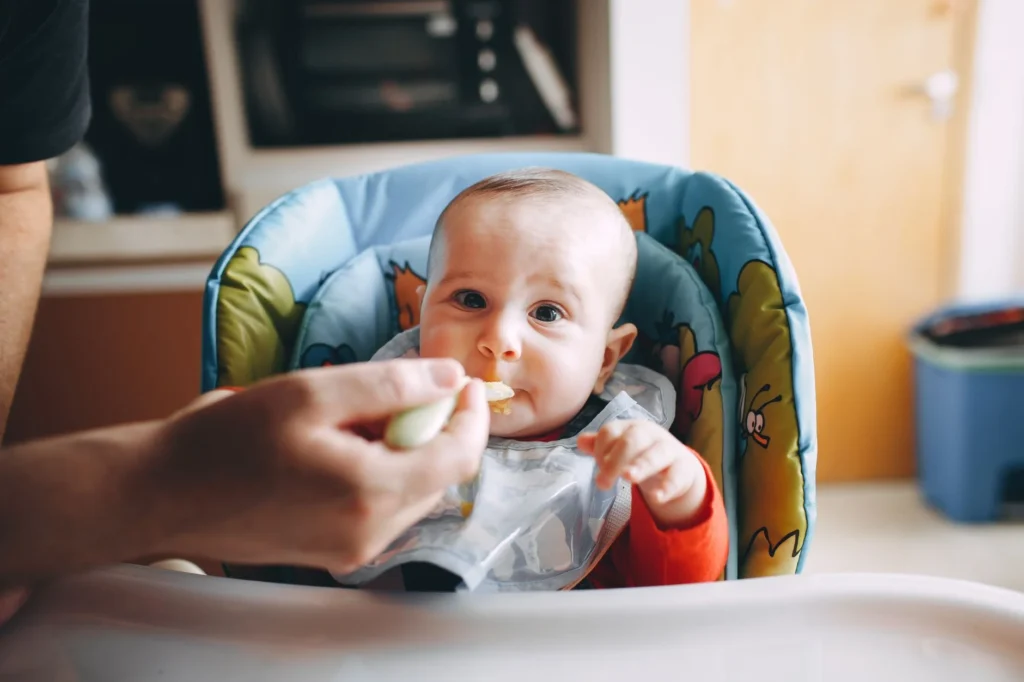
Introducing your little one to solid foods is a significant milestone! It’s a time of new tastes, textures, and exciting discoveries. Getting started doesn’t have to be complicated, and making your own baby food can be a rewarding experience. It gives you control over ingredients and helps ensure your baby gets the freshest, most nutritious meals.
Who it Suits
Starting solids is generally recommended around six months of age, but every baby is unique. Look for these signs of readiness:

- Can sit up unsupported and has good head control.
- Shows interest in food, perhaps reaching for what you’re eating.
- Opens mouth when food is offered.
- No longer has the tongue-thrust reflex that pushes food out.
Always chat with your pediatrician about the best time to introduce solids for your baby.
Simple Pureed Peas
Sweet and packed with nutrients, pureed peas are a fantastic first food.
Ingredients
- 1 cup frozen green peas
- 2-3 tablespoons breast milk, formula, or water (more or less to reach desired consistency)
Steps
- Steam or boil the frozen peas until very tender, about 5-7 minutes.
- Drain the peas well and transfer them to a blender or food processor.
- Add 2 tablespoons of breast milk, formula, or water.
- Blend until smooth. If the puree is too thick, add more liquid a teaspoon at a time until you reach a consistency your baby can easily manage.
- Push the puree through a fine-mesh sieve if you prefer an extra-smooth texture, removing any remaining pea skins.
Storage & Serving
Serve immediately, ensuring it’s at a comfortable temperature. Leftovers can be stored in an airtight container in the refrigerator for up to 3 days, or frozen in ice cube trays for up to 3 months. Thaw frozen cubes overnight in the fridge or gently warm.
Creamy Avocado Puree
Avocado is wonderfully creamy, rich in healthy fats, and requires no cooking – perfect for busy parents!
Ingredients
- 1 ripe avocado (choose one that yields slightly to gentle pressure)
- 1-2 tablespoons breast milk, formula, or water (optional, for thinning)
Steps
- Cut the avocado in half, remove the pit, and scoop the flesh into a bowl.
- Mash thoroughly with a fork until very smooth. For an even creamier texture, you can use a blender or food processor.
- If needed, add breast milk, formula, or water a little at a time to reach a smooth, easy-to-swallow consistency.
Storage & Serving
Serve fresh. Avocado can brown quickly, so it’s best made right before mealtime. If you have a small amount left, cover it tightly with plastic wrap directly touching the surface of the puree and refrigerate for a few hours.
Sweet Potato & Carrot Mash
This naturally sweet combination is a delightful choice, offering a boost of vitamins.
Ingredients
- 1 medium sweet potato, peeled and diced
- 1 medium carrot, peeled and diced
- 2-4 tablespoons breast milk, formula, or water
Steps
- Steam the diced sweet potato and carrot until very tender, about 15-20 minutes. You should be able to easily pierce them with a fork.
- Drain the cooked vegetables and transfer them to a blender or food processor.
- Add 2 tablespoons of breast milk, formula, or water.
- Blend until smooth, adding more liquid as needed to achieve a creamy consistency.
Storage & Serving
Serve warm. Store leftovers in an airtight container in the refrigerator for up to 3 days, or freeze in ice cube trays for up to 3 months. Reheat gently.
Important Safety Notes
Introducing New Foods & Allergies
When introducing new foods, offer them one at a time for a few days before introducing another new item. This helps you identify any potential allergic reactions. Watch for signs like hives, swelling, vomiting, diarrhea, or difficulty breathing. If you notice any concerning symptoms, stop feeding the food and contact your healthcare professional immediately.
No Honey for Babies
Never give honey to a baby under one year of age. Honey can contain spores that cause infant botulism, a serious illness.
Skip the Salt and Sugar
For babies, especially those under one, it’s best to avoid adding extra salt or sugar to their food. Their kidneys are still developing, and too much salt can be harmful. Babies also don’t need added sugar; the natural sweetness in fruits and vegetables is plenty.
A Note on Health Information
The information provided here is for general educational purposes only and is not intended as medical advice. Always consult with your pediatrician or another qualified healthcare professional regarding your baby’s specific dietary needs and any health concerns.
Images sourced from Pexels.