
Congratulations on reaching this exciting new stage with your little one! At 13 months, your baby is officially a toddler, bursting with newfound curiosity and rapidly developing skills. This period is a whirlwind of discovery, as they transition from infant to an active explorer, constantly learning about the world around them. Get ready for more steps, more babbling, and plenty of delightful surprises!
What Changes Now?

The journey from baby to toddler brings a cascade of exciting developments. Your 13-month-old is likely refining skills they started building months ago and picking up entirely new ones almost daily.

Physical Milestones
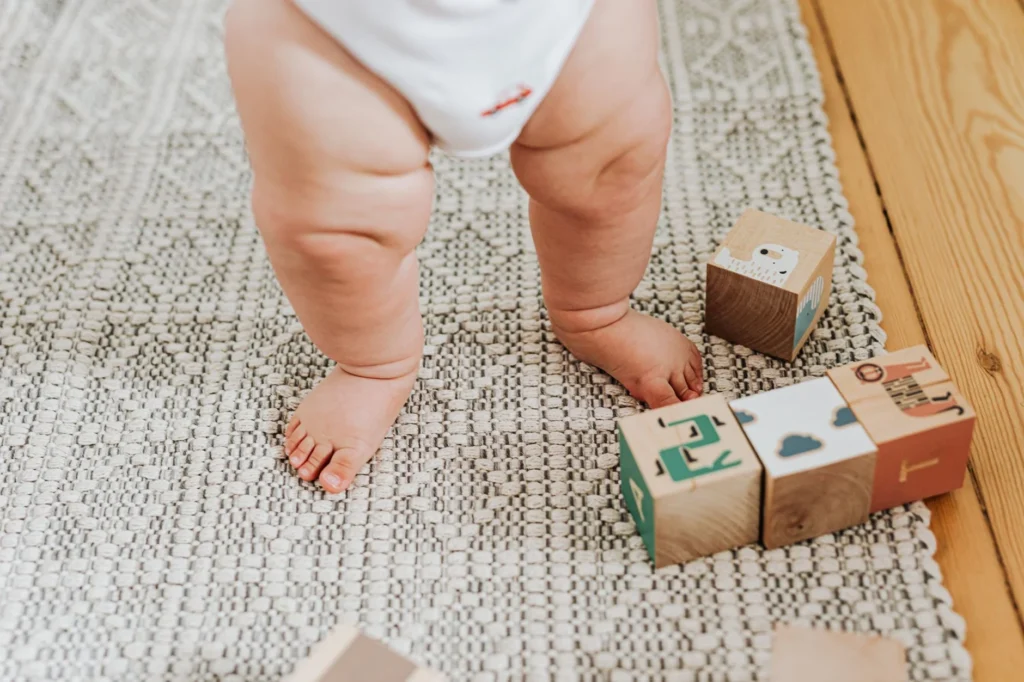
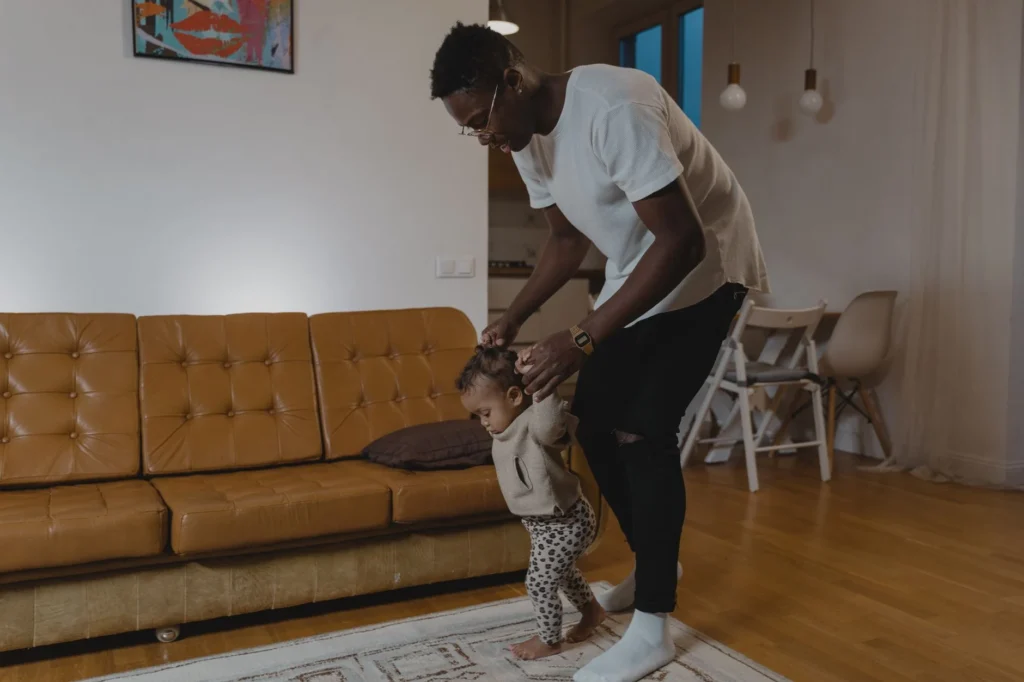
Many 13-month-olds are taking their first independent steps, or perhaps they’ve been walking for a little while and are now gaining more confidence. Some might still prefer cruising along furniture or crawling at lightning speed, and that’s perfectly normal too! Expect improved hand-eye coordination, like picking up smaller objects with their thumb and forefinger (the pincer grasp), and maybe even trying to feed themselves with a spoon (though it might be messy!).
Cognitive & Language Milestones
Their understanding is soaring. Your toddler can likely follow simple one-step instructions, point to familiar objects when asked, and understand many words even if they can’t say them yet. Expect to hear more “mama” and “dada,” along with other simple words. They might even try to imitate sounds or actions you make, showing a blossoming understanding of cause and effect.
Social & Emotional Milestones
Personality really shines at this age! Your little one might show strong preferences for certain toys or people and may start to express a wider range of emotions. Separation anxiety can still be present, but they are also becoming more interactive, enjoying games like peek-a-boo and showing affection to familiar faces. They’re also learning about sharing and taking turns, even if it’s still a work in progress.
Please note: The information provided here is for general educational purposes only and is not intended as medical advice. Every child develops at their own pace. If you have any concerns about your child’s development, please consult with a healthcare professional.
Sleep
Sleep patterns can vary widely at this stage. Most 13-month-olds still need around 11-14 hours of sleep over a 24-hour period, typically including one or two naps during the day. Sometimes, around this age, toddlers might experience a “sleep regression” as they are busy mastering new skills like walking and talking. Maintaining a consistent bedtime routine can be incredibly helpful for signaling that it’s time to wind down.
Feeding
Mealtime can become quite an adventure! Your 13-month-old is likely eating most family foods, cut into small, manageable pieces. Offer a variety of healthy options, focusing on whole grains, fruits, vegetables, and lean proteins. This is a great time to encourage self-feeding with finger foods. Don’t be surprised if your toddler sometimes becomes a picky eater; it’s a normal phase. Keep offering healthy choices without pressure.
- Remember, honey should never be given to babies under one year of age. At this age, it’s generally considered safe, but always ensure proper food preparation.
- Avoid adding extra salt or sugar to your toddler’s food. Their taste buds are sensitive, and they don’t need it.
- When introducing new foods, especially common allergens, it’s a good practice to offer them one at a time and watch for any reactions. Consult your pediatrician if you have specific concerns about food allergies.
Play & Development
Play is how your toddler learns about the world. Encourage activities that foster their growing independence and curiosity.
- Movement fun: Provide safe spaces for them to practice walking, climbing (on low, safe structures), and exploring. Push toys or pull toys are often big hits.
- Building & creating: Offer large blocks, stacking cups, or simple shape sorters to develop fine motor skills and problem-solving.
- Reading together: Continue to read daily. Point to pictures, name objects, and let them turn the pages. This boosts language and cognitive development.
- Imaginative play: Simple household objects can become exciting toys. A spoon can be a magic wand, a box a car. Follow their lead!
- Music & rhythm: Sing songs, dance, and introduce simple musical instruments like shakers or drums.
Practical Tips for Parents
- Child-proof, child-proof, child-proof: With newfound mobility, make sure your home is safe for an exploring toddler. Lock cabinets, gate stairs, and secure furniture.
- Encourage independence: Let them try to feed themselves, help with simple tasks (like putting toys in a basket), or choose between two outfits.
- Be patient with communication: They understand more than they can say. Use simple language, repeat words, and respond to their babbles and gestures.
- Establish routines: Predictable routines for meals, naps, and bedtime provide a sense of security and help manage expectations.
When to Consult a Professional
While every child develops at their own pace, it’s always wise to discuss any significant concerns with your pediatrician. These might include:
- Not attempting to stand or walk, even with support.
- Not using gestures, like waving goodbye or pointing.
- Not responding to their name.
- Loss of previously learned skills.
- Lack of eye contact or interaction.
FAQs about Your 13-Month-Old
Will my 13-month-old be walking yet?
Many toddlers take their first independent steps around this age, but it’s entirely normal if yours isn’t quite there yet. Some walk closer to 15 or 16 months. As long as they are cruising, pulling to stand, or crawling actively, they are developing well.
How much milk should my 13-month-old drink?
At 13 months, breast milk or formula is no longer the primary source of nutrition. They can transition to whole cow’s milk (if there are no allergies) or other fortified milk alternatives. Aim for about 16-24 ounces (2-3 cups) per day, along with water. Focus on nutrient-rich solid foods.
Is it normal for my toddler to have temper tantrums?
Yes, absolutely! As toddlers gain independence but lack the verbal skills to express their big emotions, tantrums can become a common way to communicate frustration, anger, or fatigue. Stay calm, acknowledge their feelings, and offer comfort or distraction.
Images sourced from Pexels.