
What Changes Now?

Welcome to the wonderful world of toddlerhood! Your little one has officially crossed the one-year mark, and this next phase brings exciting new developments. At 13 months, you’ll likely notice rapid strides in their physical abilities, communication, and understanding of the world around them.
Many babies at this age are on the move. Some might be confidently walking, while others are cruising along furniture or taking tentative steps. Fine motor skills are also improving; they might be able to pick up small objects with a pincer grasp, stack a couple of blocks, or even try to use a spoon.

Communication often takes a leap too. While “mama” and “dada” are likely staples, your child might be adding one or two other words to their vocabulary. They’ll understand many more words than they can say, responding to simple instructions like “give me the ball” or pointing to objects when asked. You’ll see them waving bye-bye, clapping, and imitating actions and sounds.
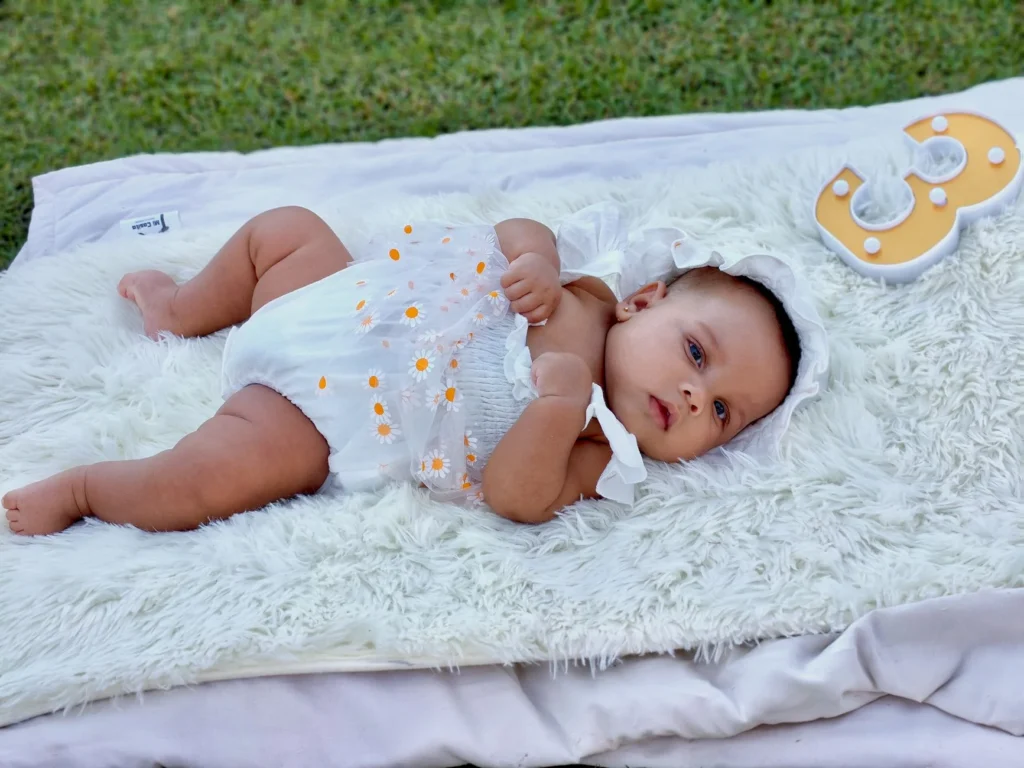
Socially and emotionally, expect to see more independence, coupled with periods of separation anxiety. They’re learning to show affection, test boundaries, and express a wider range of emotions. Early pretend play might emerge, like talking into a toy phone or pushing a toy car around.
General information only; not medical advice. Always consult a healthcare professional for specific concerns regarding your child’s development.
Sleep
What to expect
Most 13-month-olds need about 11-14 hours of sleep in a 24-hour period, which typically includes one longer nap during the day. Some children might still take two shorter naps, but many are transitioning to a single afternoon nap. Bedtime might be shifting slightly later as their need for nighttime sleep consolidates.
Practical tips for sleep
- Consistency is Key: A predictable bedtime routine—bath, stories, cuddle time—signals to your child that it’s time to wind down.
- Optimal Environment: Ensure their sleep space is dark, quiet, and cool. A comfort object, like a favorite blanket or soft toy, can also be reassuring.
- Be Flexible: While routines are great, sometimes life happens. Don’t stress too much about an occasional disrupted night or missed nap. Get back on track as soon as you can.
Feeding Your 13-Month-Old
Food variety and self-feeding
This is a fantastic time to introduce a wide variety of healthy table foods. Your 13-month-old should be eating three meals and two snacks a day, largely alongside the family. Focus on offering a balance of fruits, vegetables, whole grains, and proteins. Encourage self-feeding with soft finger foods and child-friendly utensils, even if it gets messy!
Most babies at this age can transition from breast milk or formula to whole cow’s milk (if your pediatrician approves). Aim for about 16-24 ounces of milk per day, alongside their solid food intake. Water should be offered regularly throughout the day.
Important feeding notes
- No Honey: Remember, honey should not be given to children under one year old due to the risk of infant botulism.
- Limit Salt and Sugar: Avoid adding extra salt or sugar to your child’s food. Their kidneys aren’t fully developed to process high sodium, and too much sugar isn’t good for their teeth or overall health.
- Allergy Awareness: When introducing new foods, offer them one at a time and wait a few days before introducing another new food. This makes it easier to identify any potential allergic reactions.
General information only; not medical advice. Always consult a healthcare professional or a registered dietitian for specific feeding guidance.
Play & Development
Your toddler is like a sponge, constantly absorbing information! They’re learning cause and effect – pushing a button makes a sound, dropping a toy means you’ll pick it up. They love exploring, opening and closing things, and putting objects into containers and taking them out again. Pointing at things they want or are interested in becomes a primary form of communication.
Encouraging play
- Interactive Reading: Point to pictures, name objects, and let them turn the pages (even if they’re ripping them!).
- Building Blocks & Shape Sorters: These are excellent for developing fine motor skills and problem-solving.
- Push and Pull Toys: Great for gross motor development as they practice walking.
- Music & Movement: Sing songs, dance, and encourage them to clap or stomp along.
- Simple Pretend Play: Hand them a toy phone and watch them babble into it, or give them a cup and pretend to drink.
General information only; not medical advice. Always consult a healthcare professional for specific concerns regarding your child’s development.
Practical Tips for Parents
Ah, the classic toddler tantrum! These are a normal part of development as your child learns to express big emotions before they have the words to do so. Stay calm, acknowledge their feelings, and try to redirect their attention. Offering simple choices can also help them feel more in control.
Childproofing reminders
With newfound mobility, your child will get into everything. Regularly check your home for new hazards. Secure furniture to walls, keep all cleaning products and medications locked away, and cover electrical outlets. Gates for stairs and hazardous rooms are essential.
When to reach out
Every child develops at their own pace, and there’s a wide range of normal. However, if you notice any significant concerns, it’s always wise to contact your child’s healthcare professional. This includes if your child isn’t babbling or trying to communicate, doesn’t make eye contact, shows a sudden loss of skills they once had, or isn’t bearing weight on their legs.
General information only; not medical advice. Always consult a healthcare professional for specific concerns.
Frequently Asked Questions
What if my child isn’t walking yet?
Many 13-month-olds are still perfecting their walking skills, and some won’t take their first independent steps until 15 or 16 months (or even later!). Cruising furniture is a great sign of progress. If your child is crawling, pulling to stand, and cruising, they are likely just taking their time. However, if they aren’t bearing weight on their legs at all, or show any asymmetry in movement, it’s worth a chat with your healthcare professional.
How much milk should they drink?
Once your child is over one year old, the recommendation is generally to offer about 16-24 ounces (2-3 cups) of whole cow’s milk per day, or breast milk if you are still nursing. This should complement, not replace, their solid food intake. Too much milk can fill them up and reduce their appetite for iron-rich foods, potentially leading to iron deficiency.
Images sourced from Pexels.